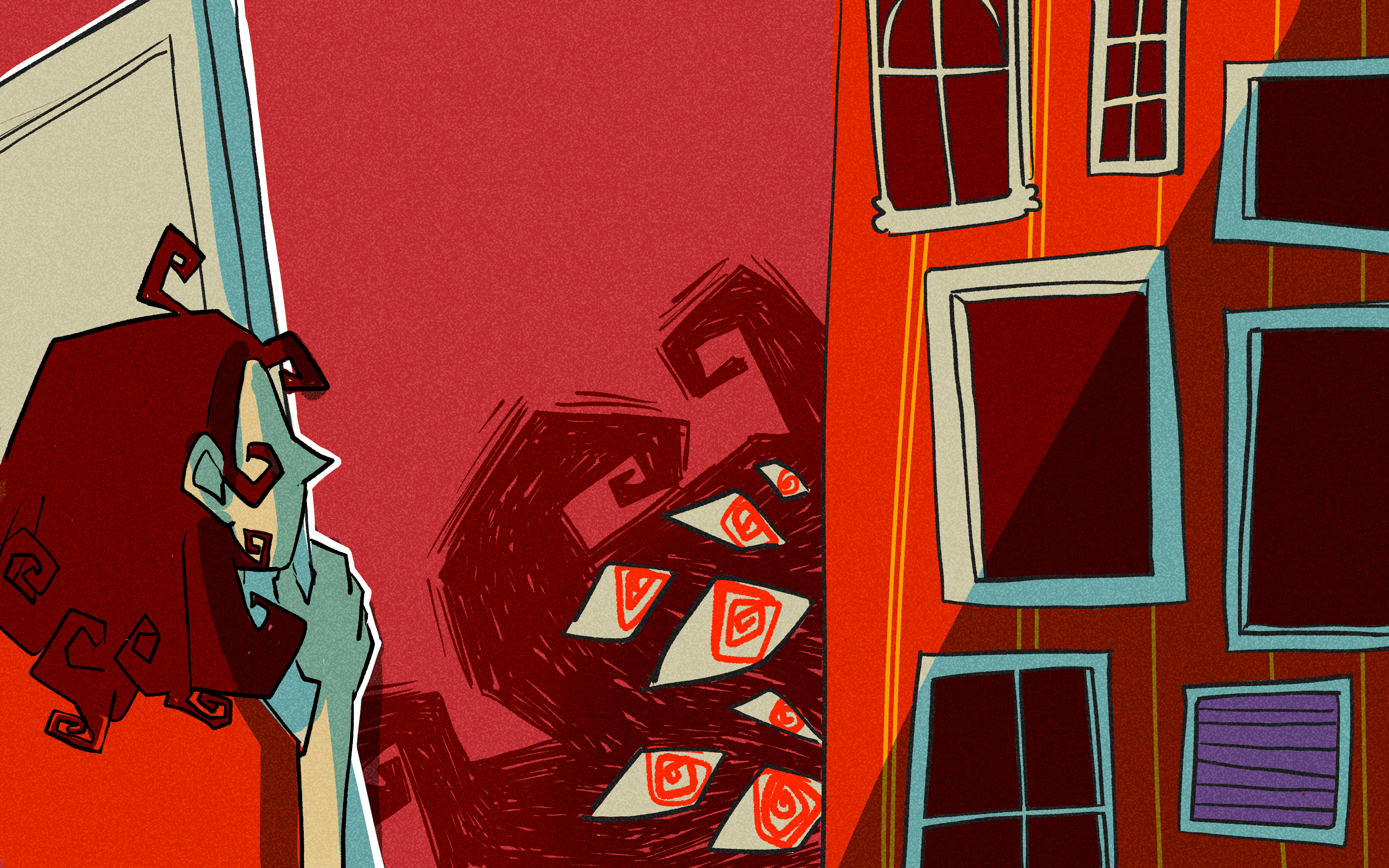
Please don’t knock (it’s just my feed)
Online spaces and identity explained through metaphors
Duration: 3 Months • Team: Solo Project
Teenagers and Identity
Influencer Culture
FOMO
Social Media
In India, 70% of teenagers report feeling anxious or inadequate due to social media comparisons. (Source: Lokniti-CSDS Youth Survey, 2022)
The Starting point





Process
Influencers:
types, audience
Influencers:
types, audience
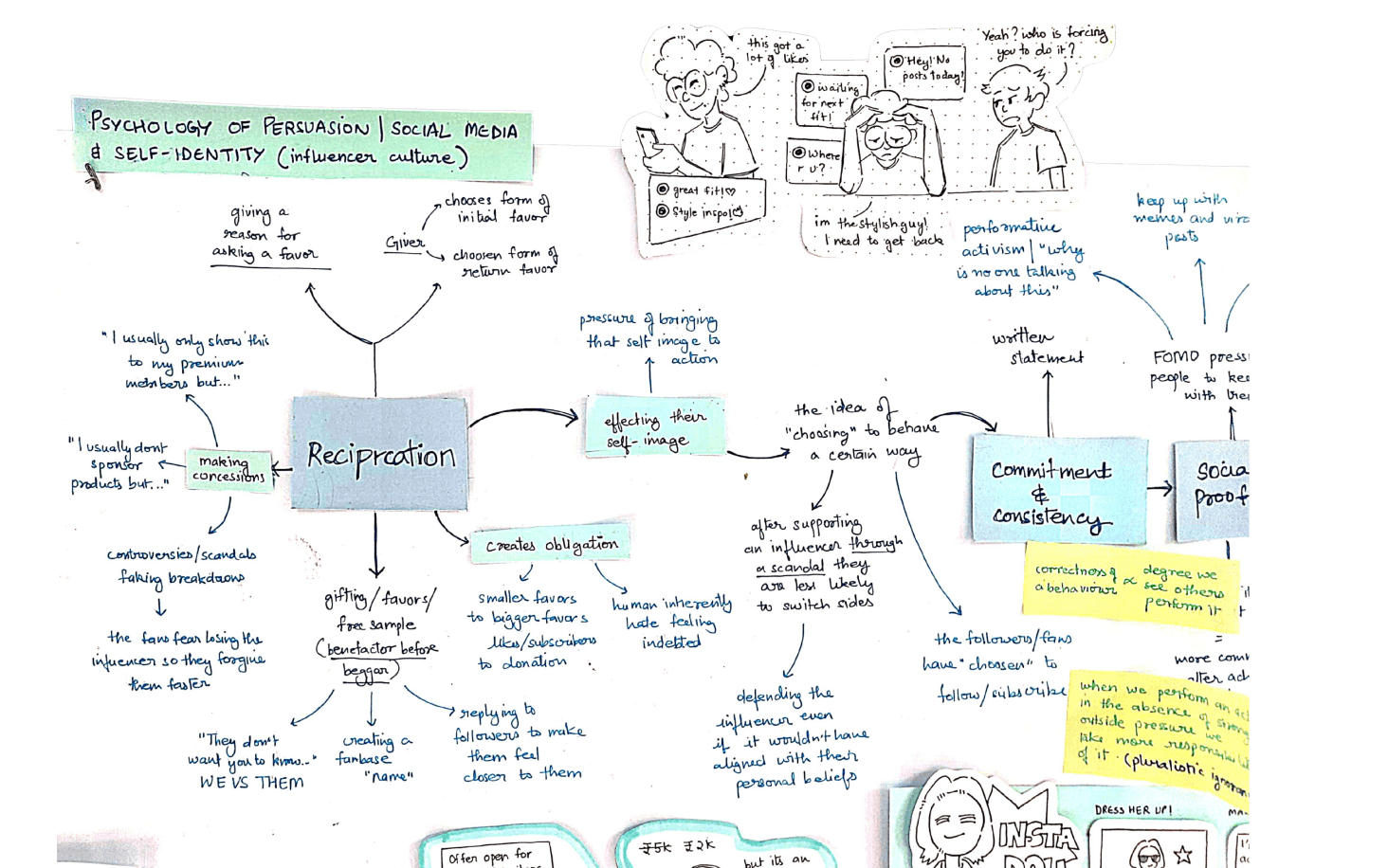
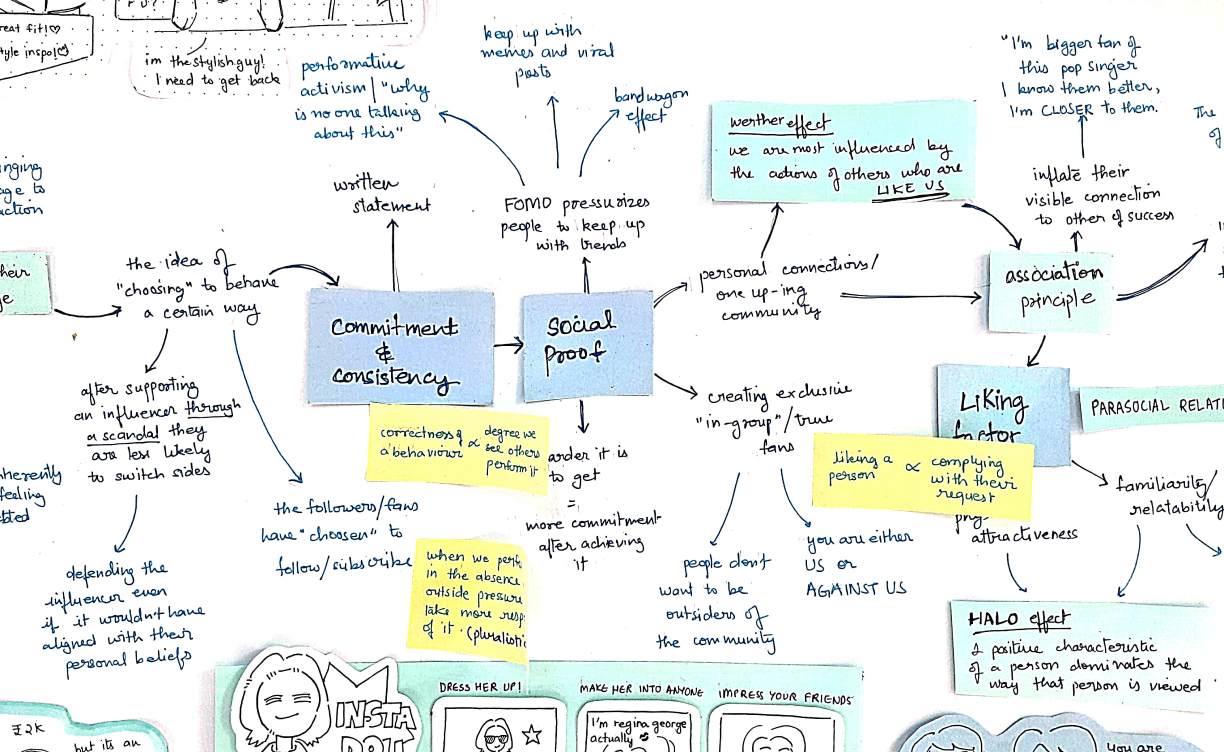
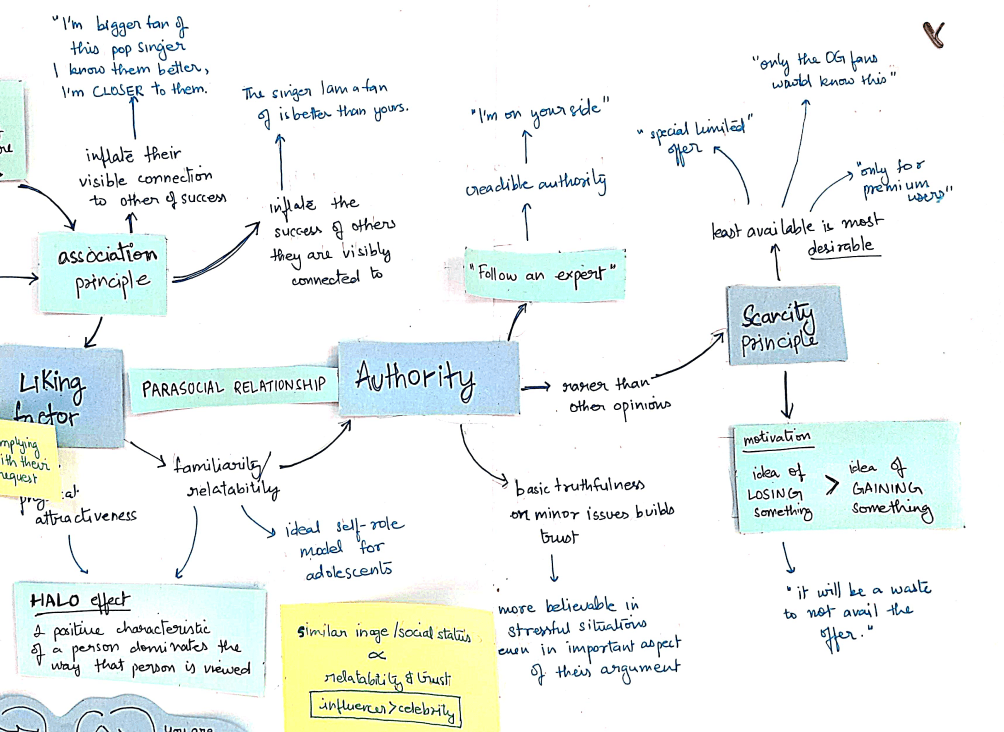
Psychology of Persuasion
Psychology of Influence and social media
Identity formation & distortion in teenagers online
Algorithm
Facets of Identity
Key aspects of social media and how it affects identity
Survey among teenagers
Visual narrative concept: Books
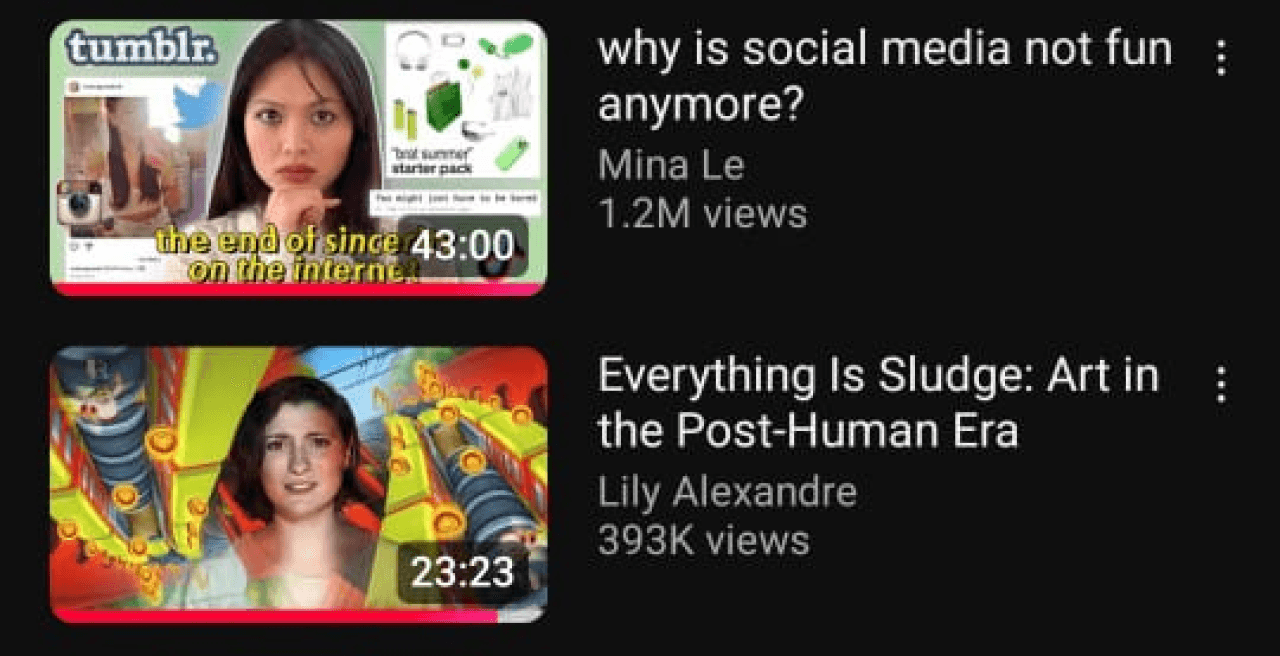
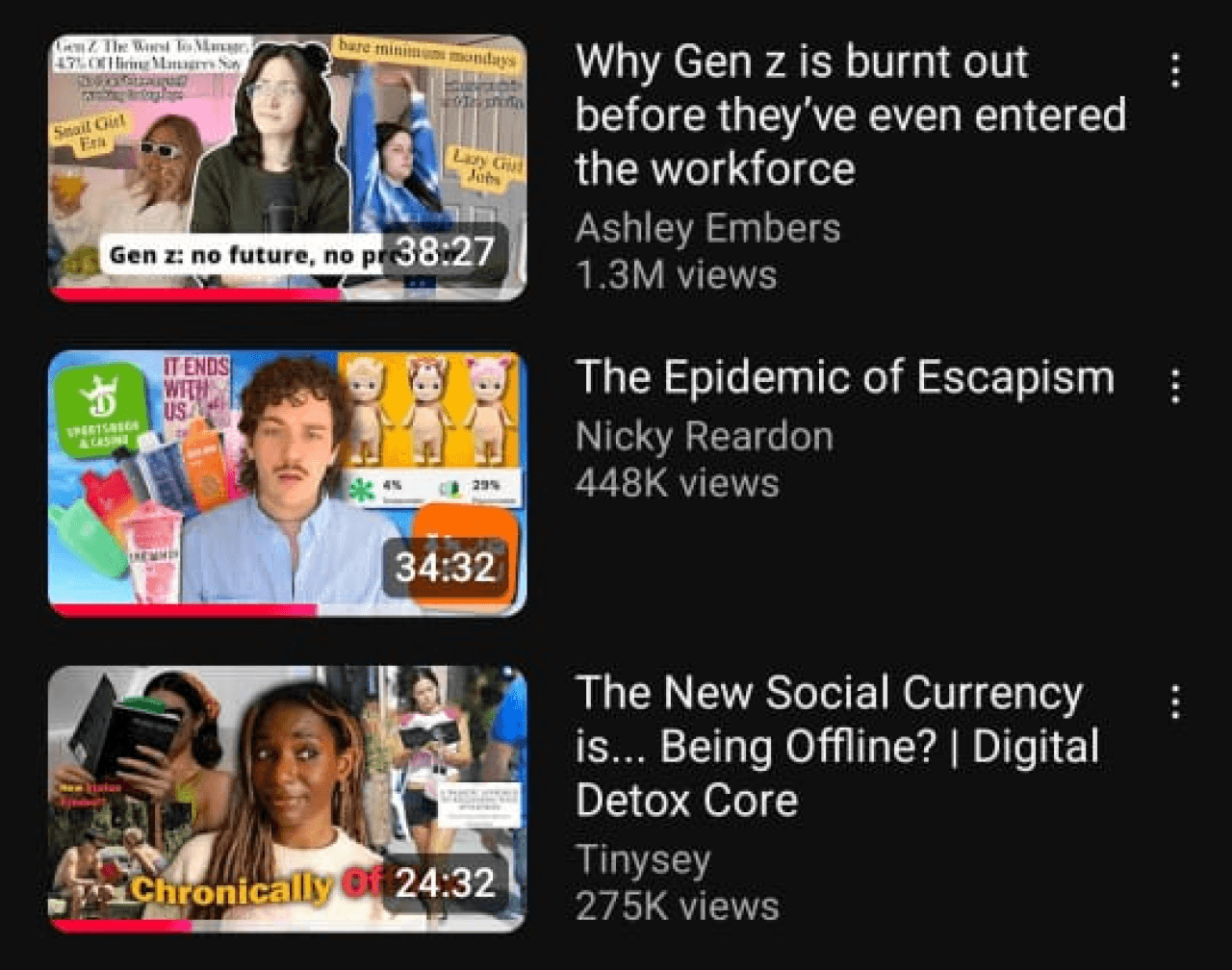
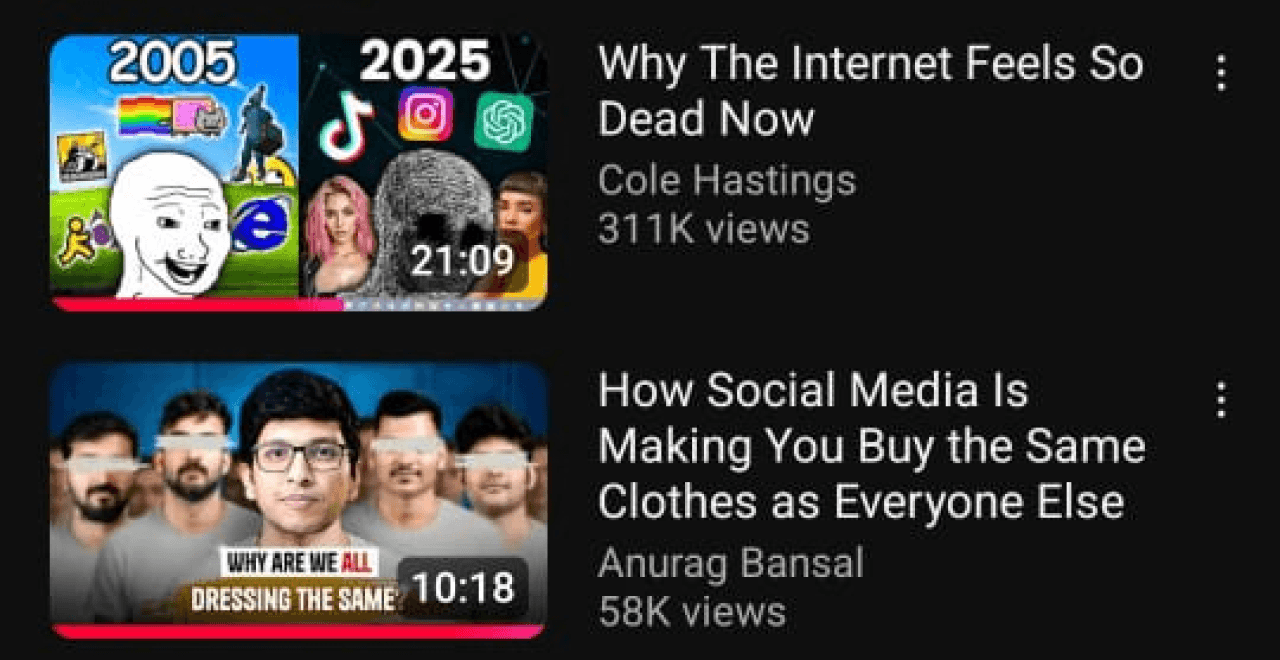
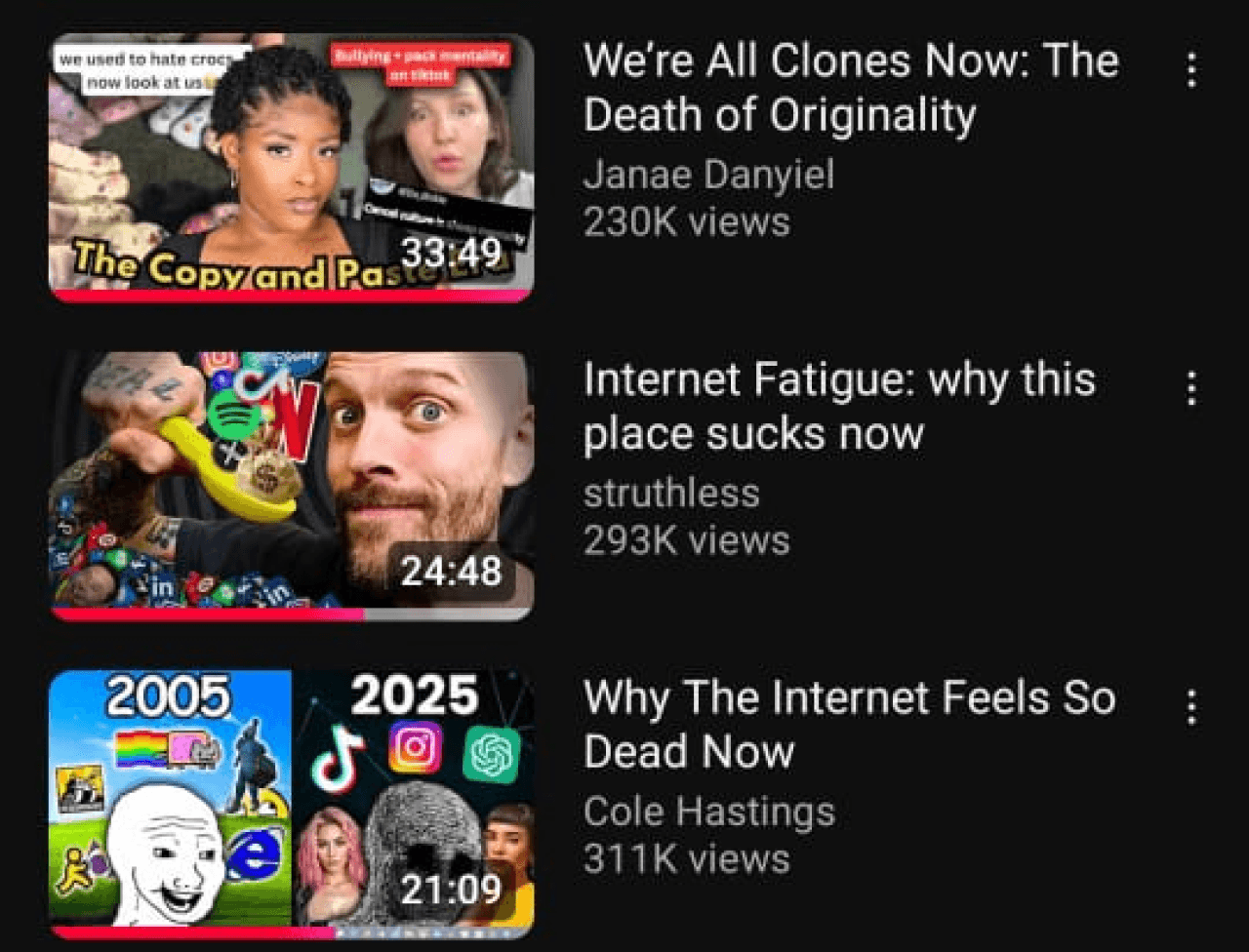
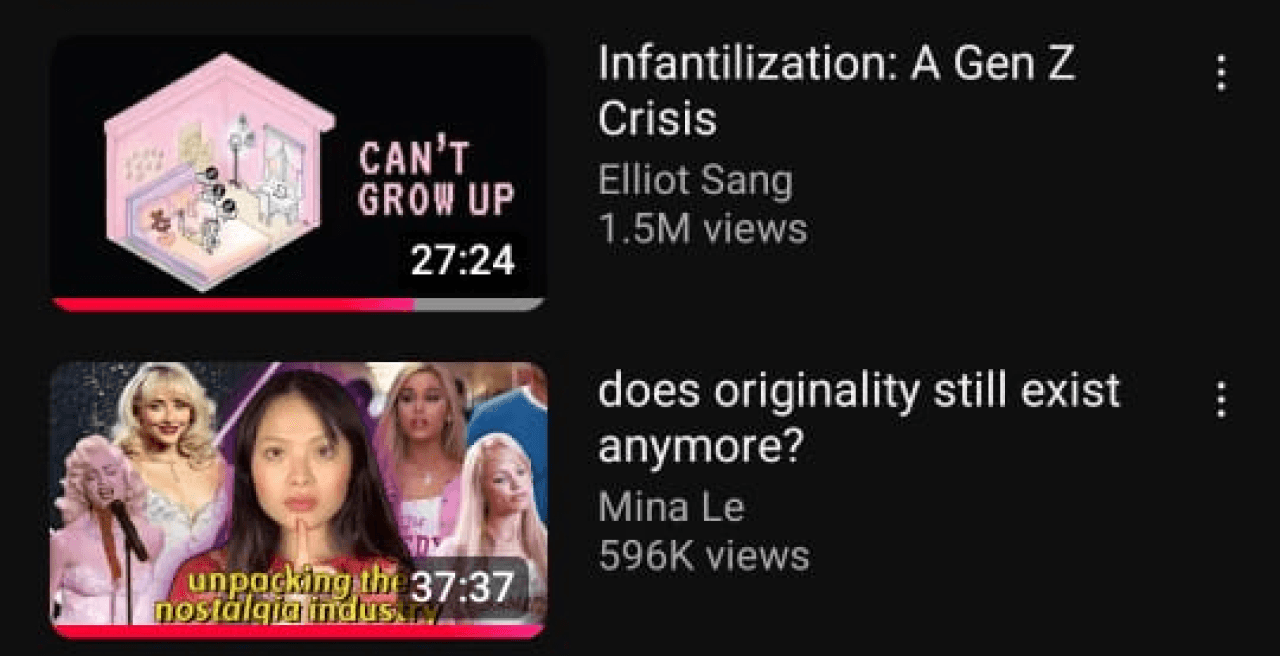
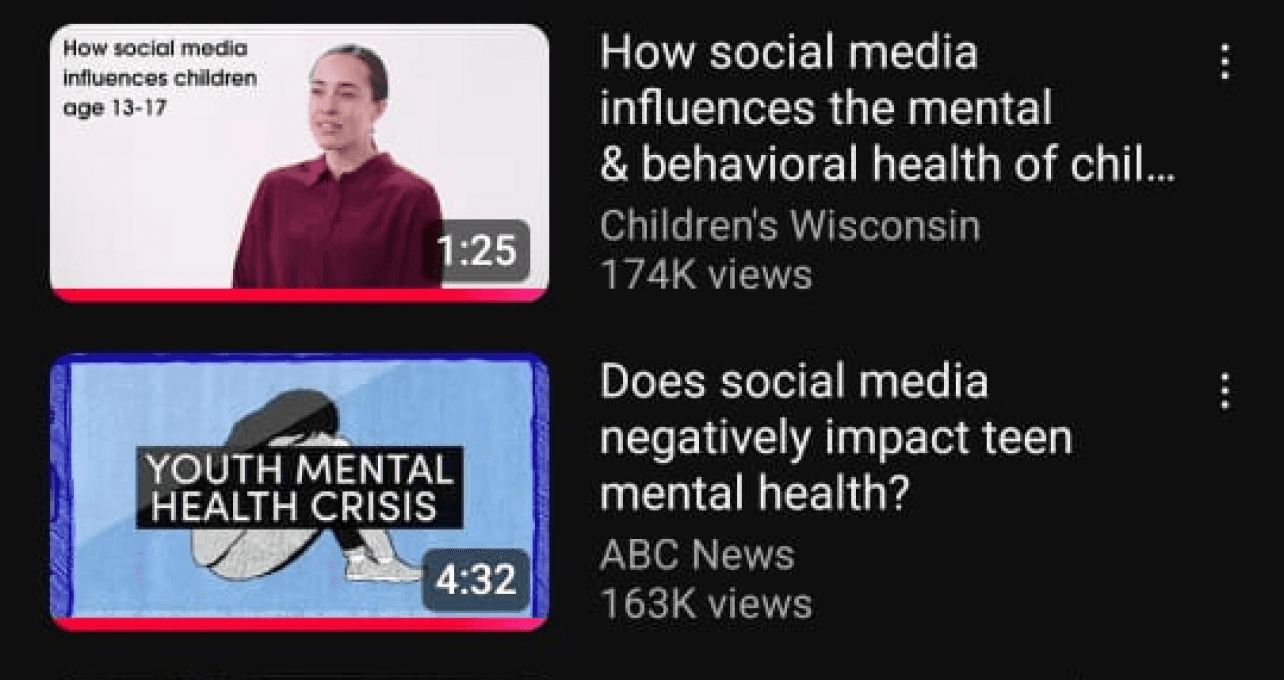
For Secondary research and understanding the mechanics as well as the psychology of influence I took help of books, blogs and video essays.
Video Essays
View Reading Material List
Mapping the mechanics of
Digital Influence








Mind Map
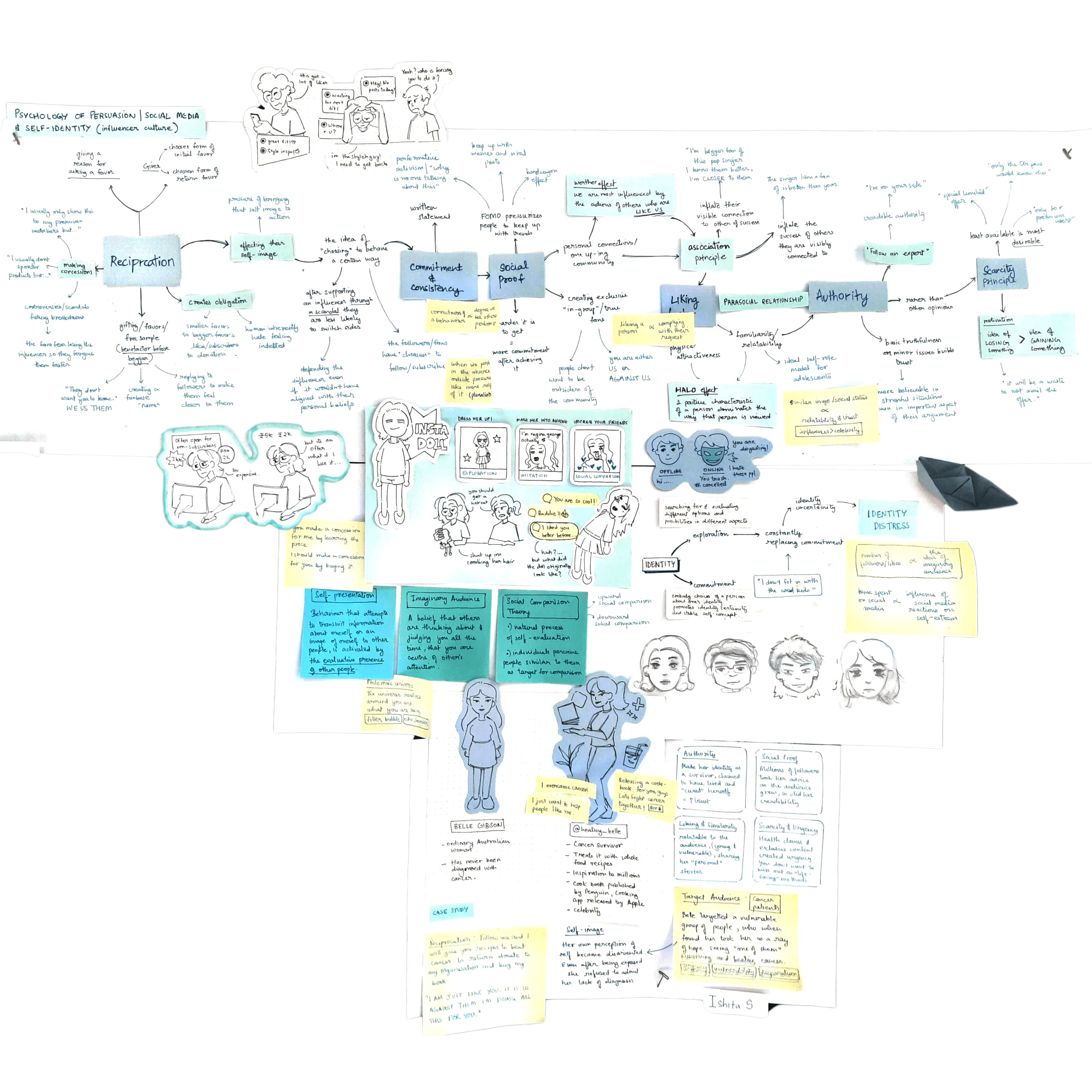
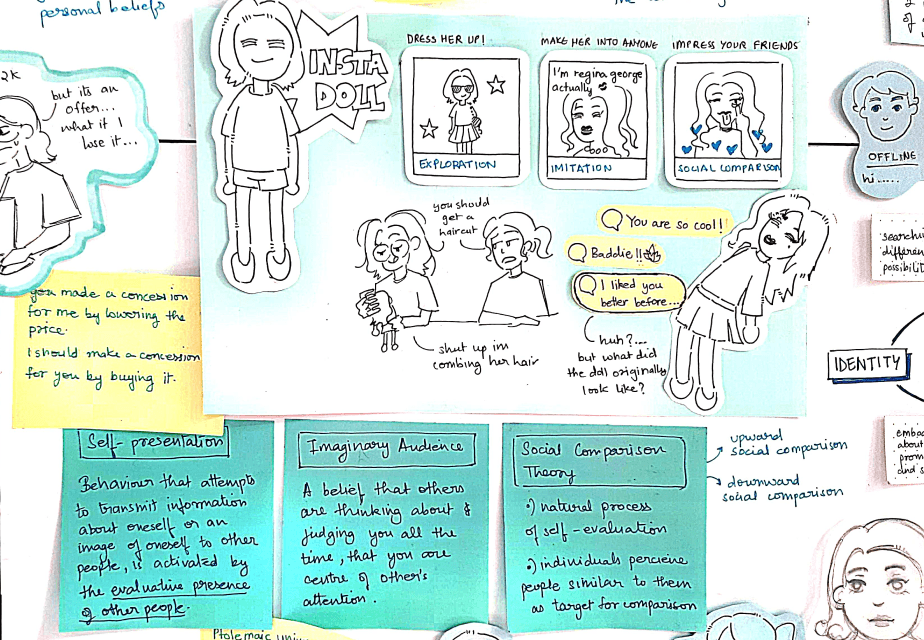
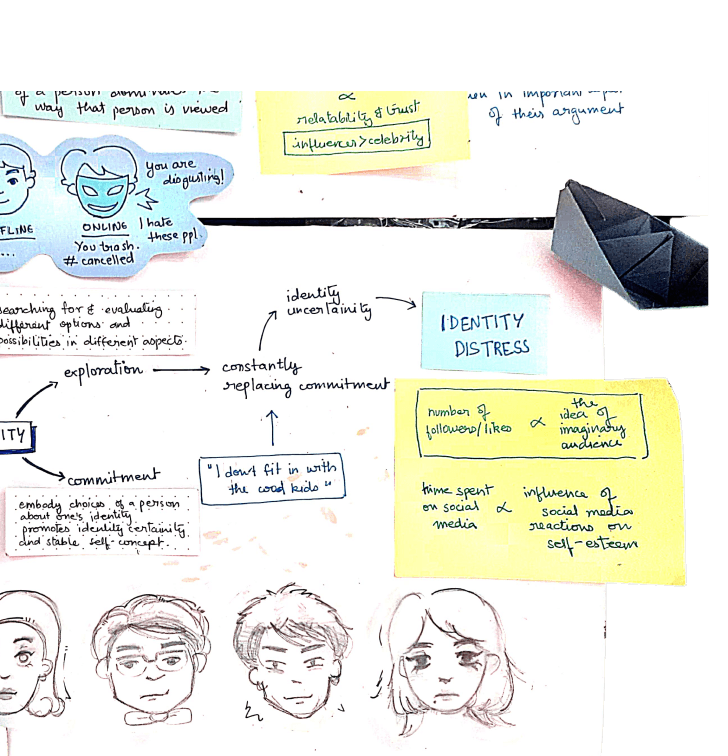
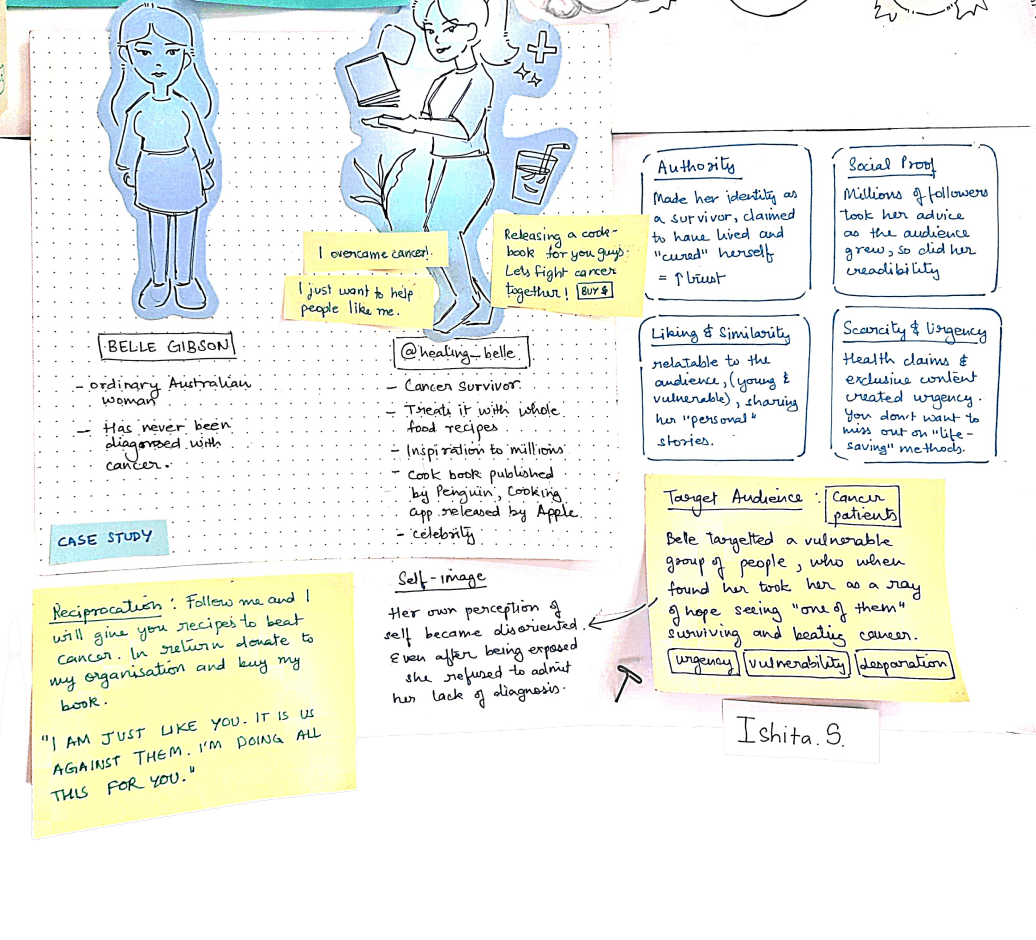
Influence and Identity
Key Findings
Your free time and hobbies are meticulously curated performances
Everyone wants the same Pinterest board lifestyle
Fear of rejection
Ptolemaic universe
Loss of originality
Instant gratification
Losing ability to make a real decision on your own
Everything revolves around you and you alone
Purity and punishment
Social order
Algorithms and Extremism
Manufactured hobbies
The Internet used to be a Place.
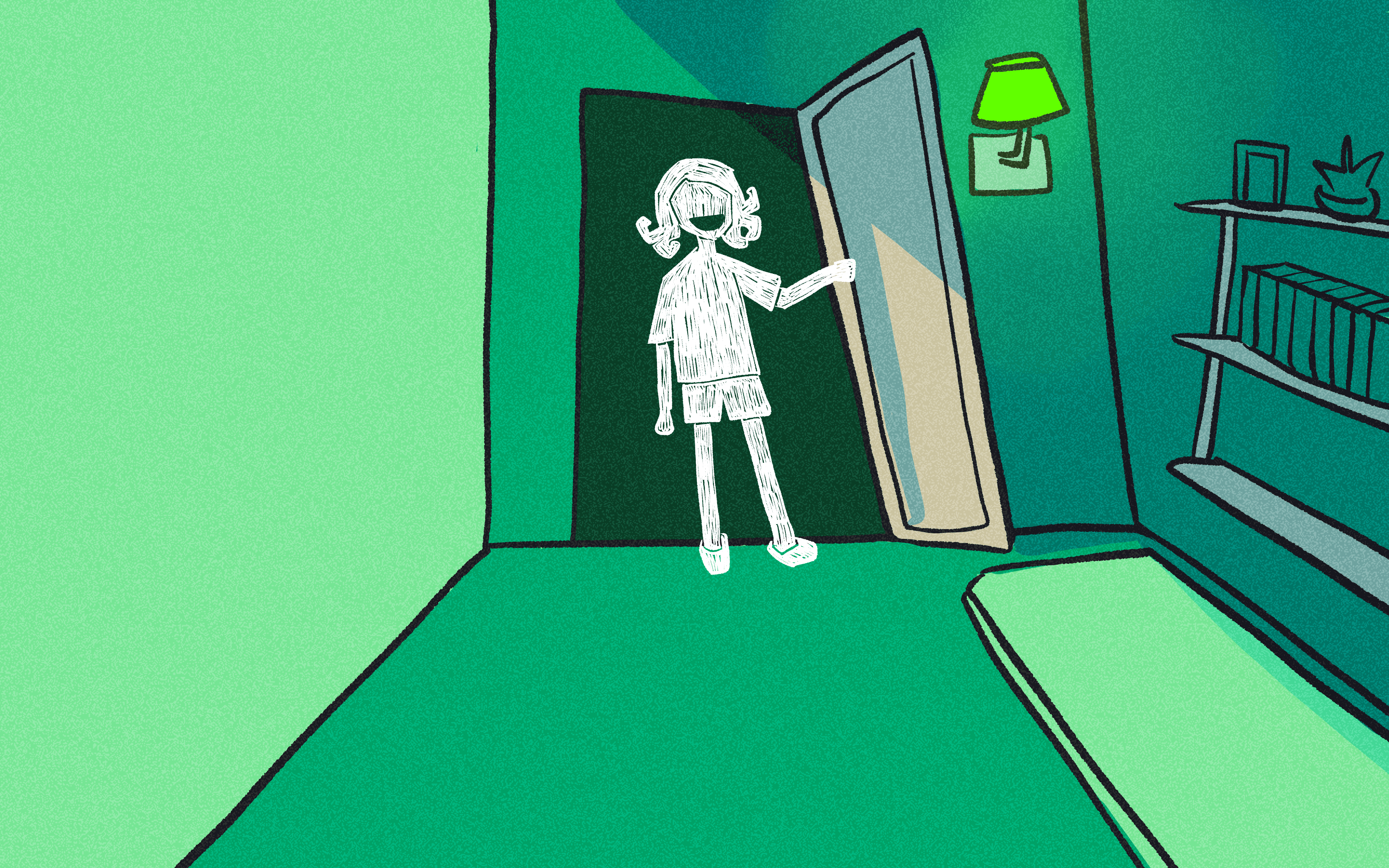
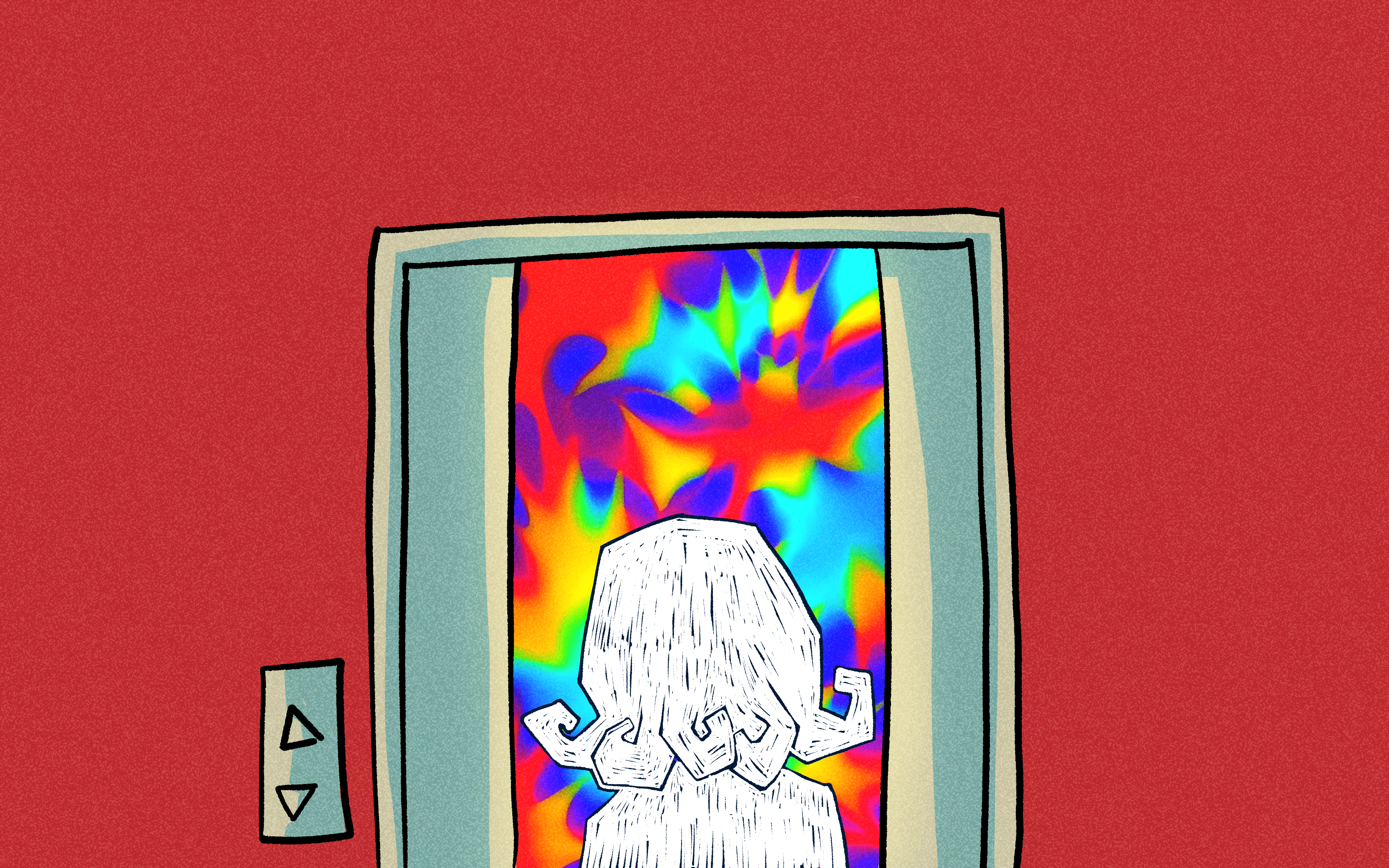
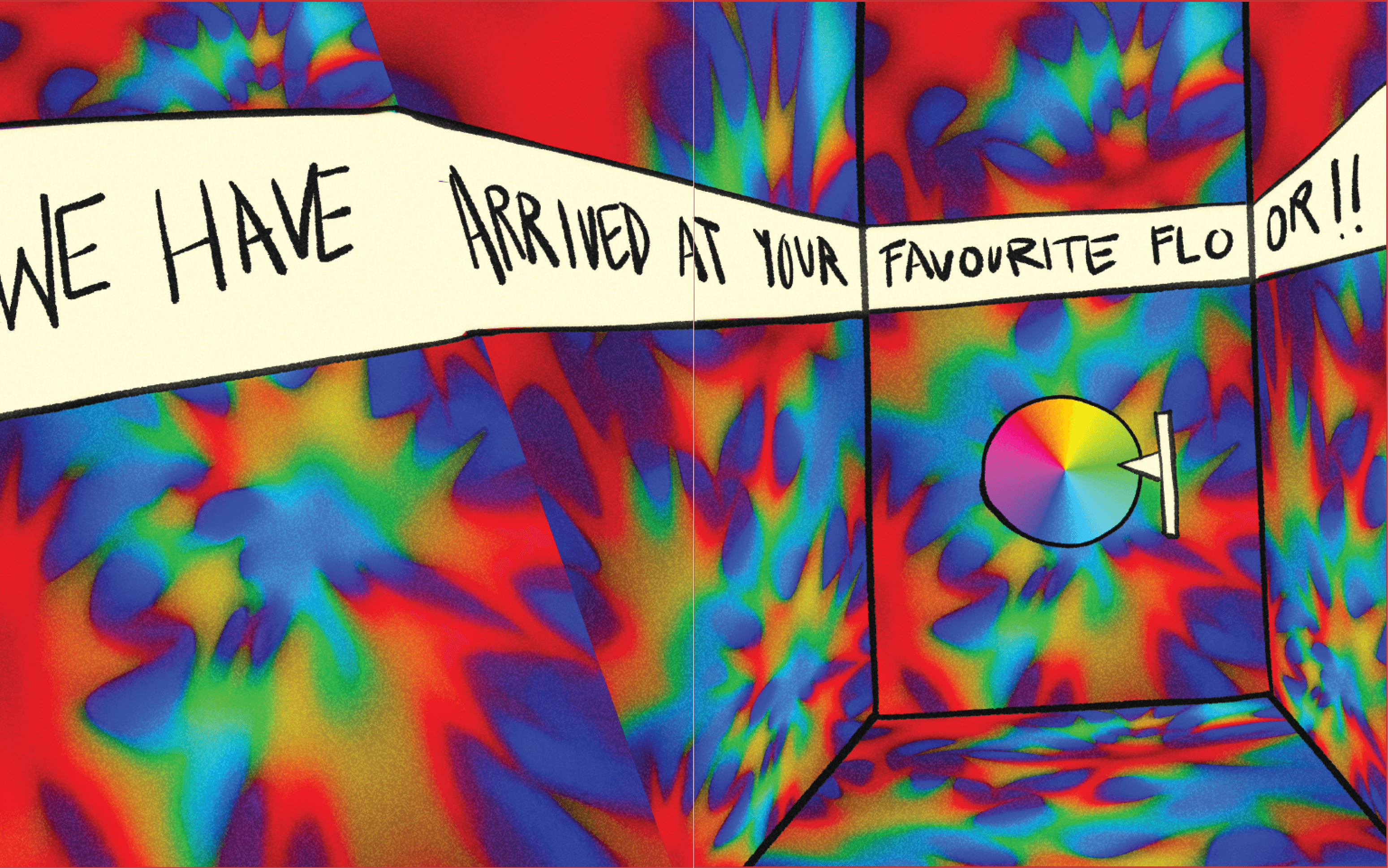
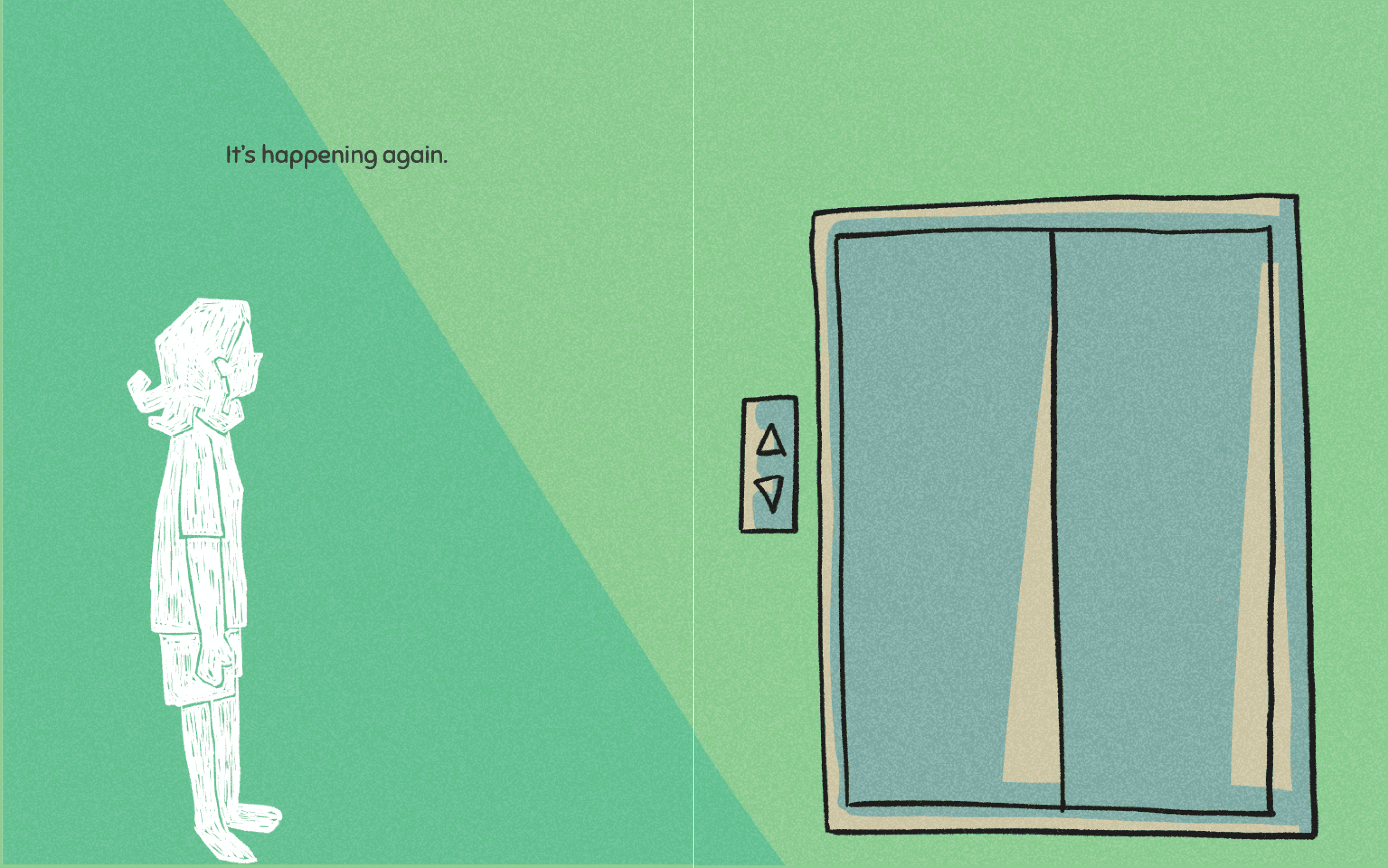
The Elevator
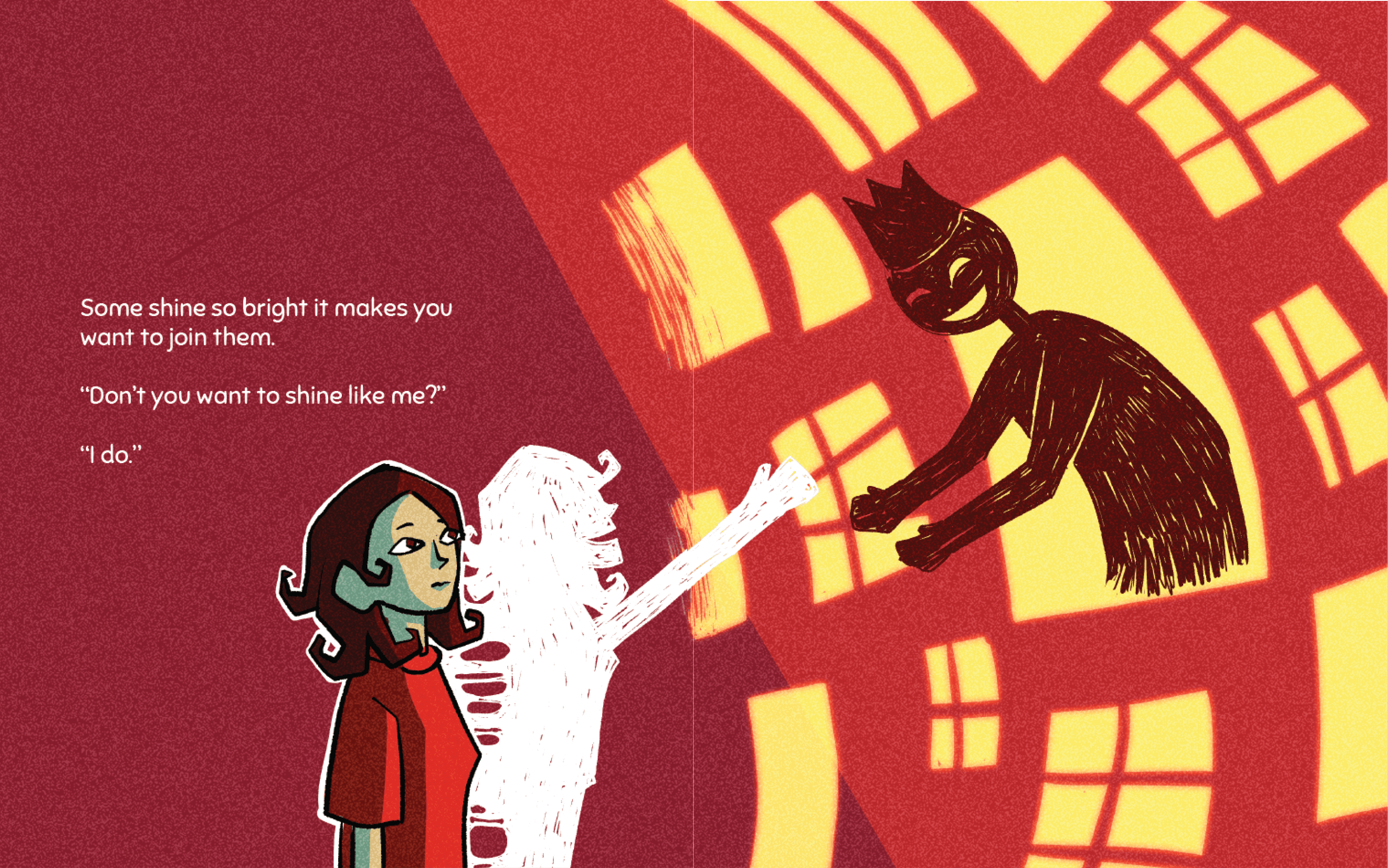
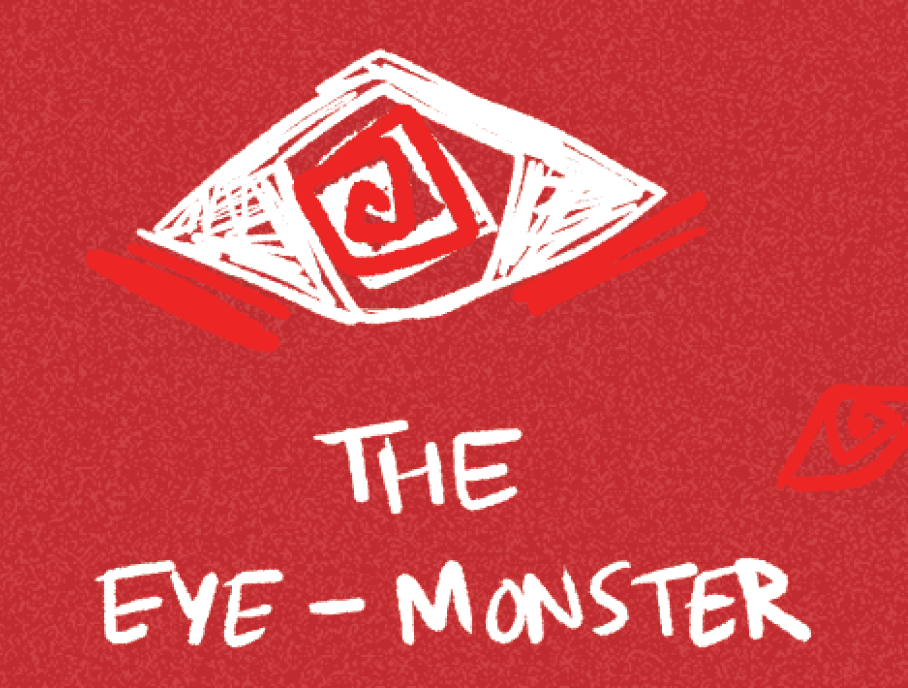
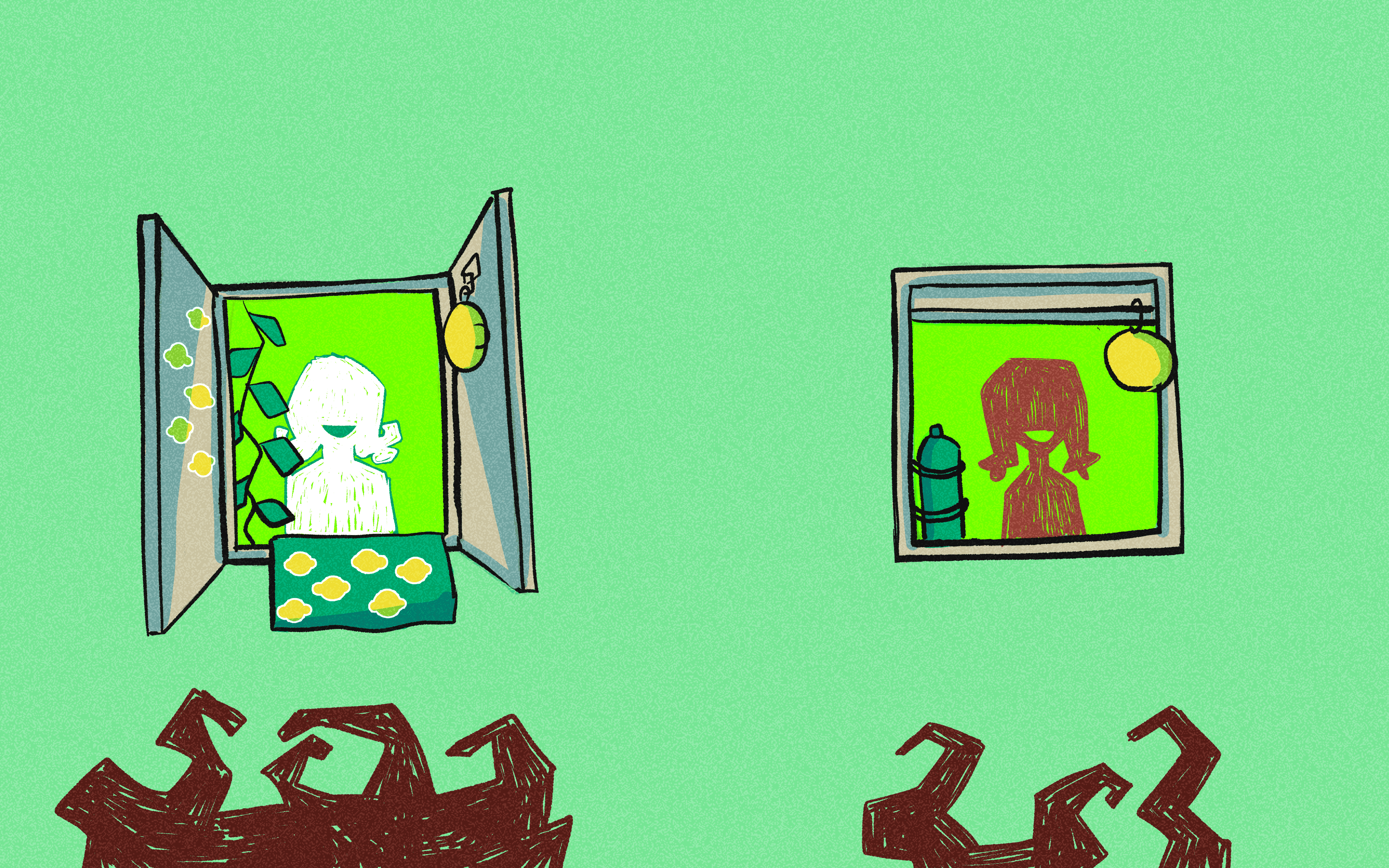
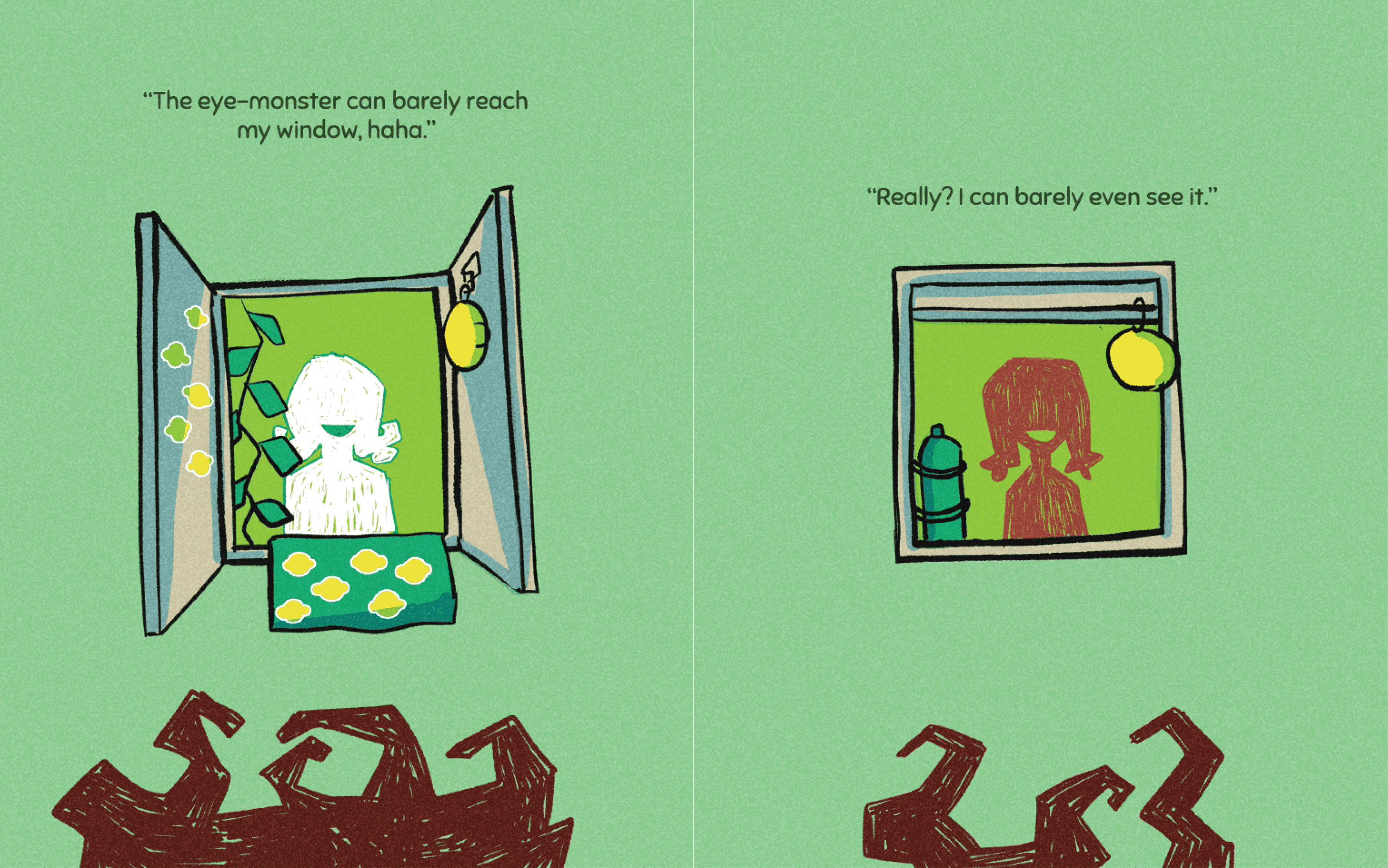
The Eye-Monster
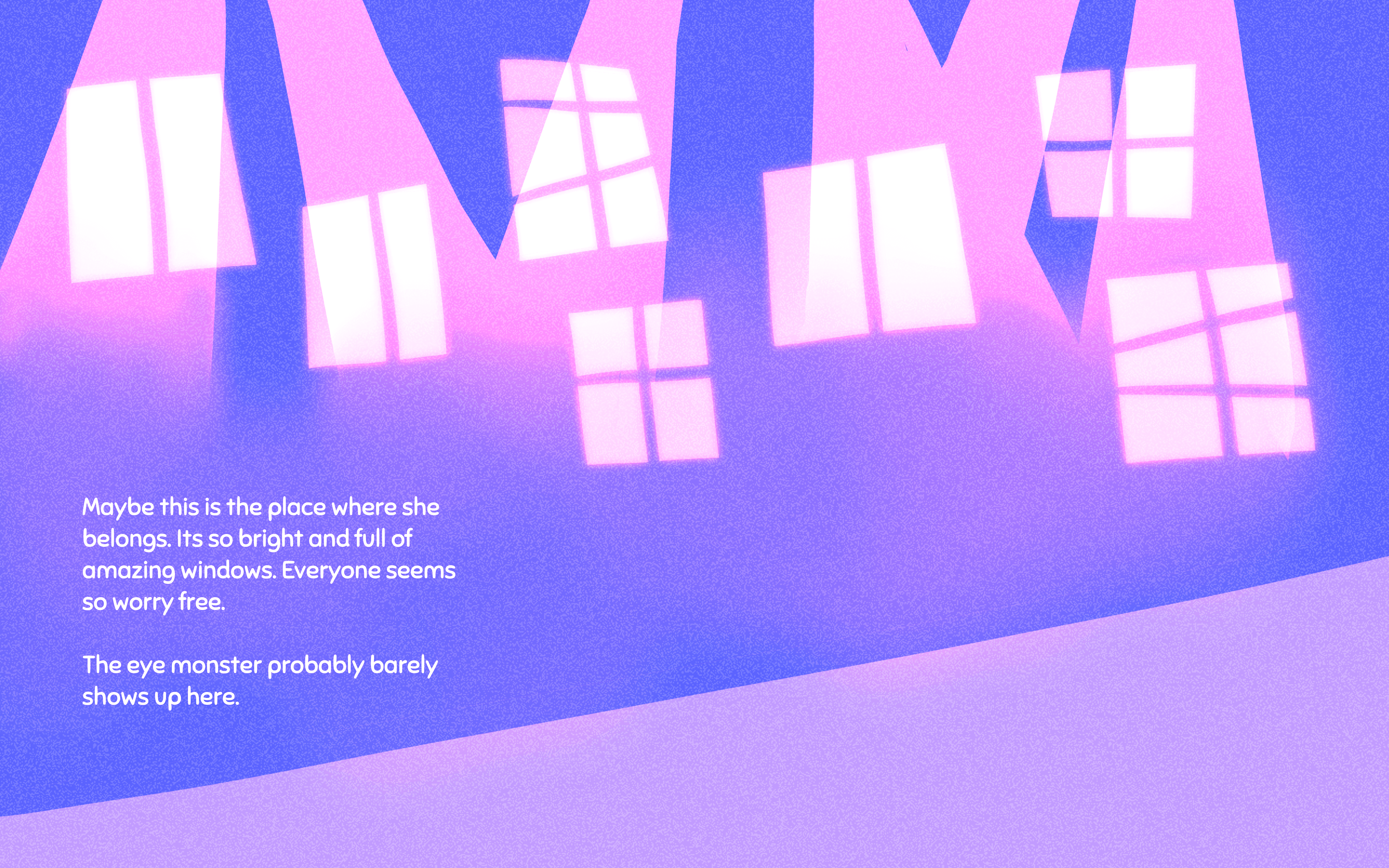
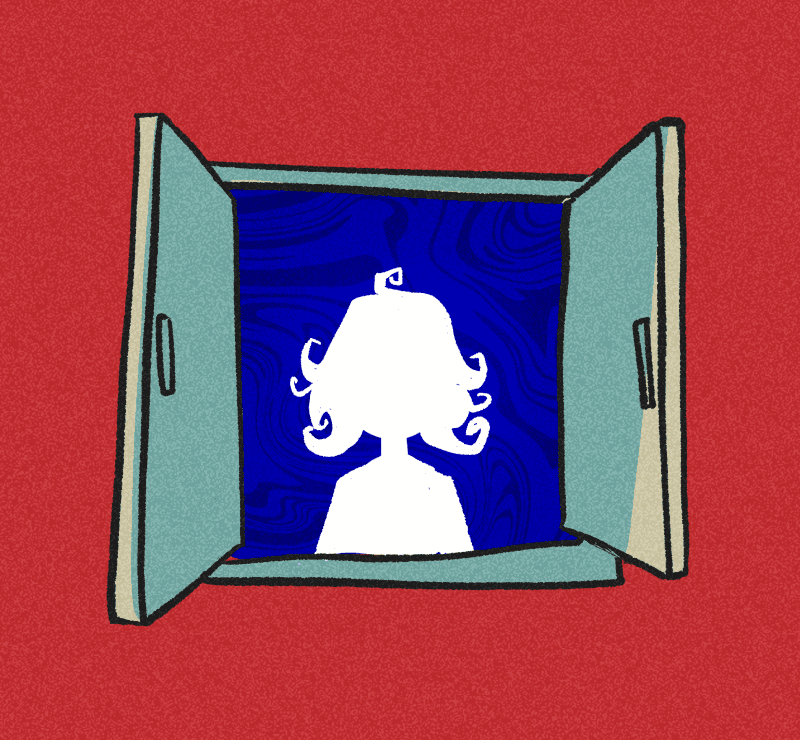
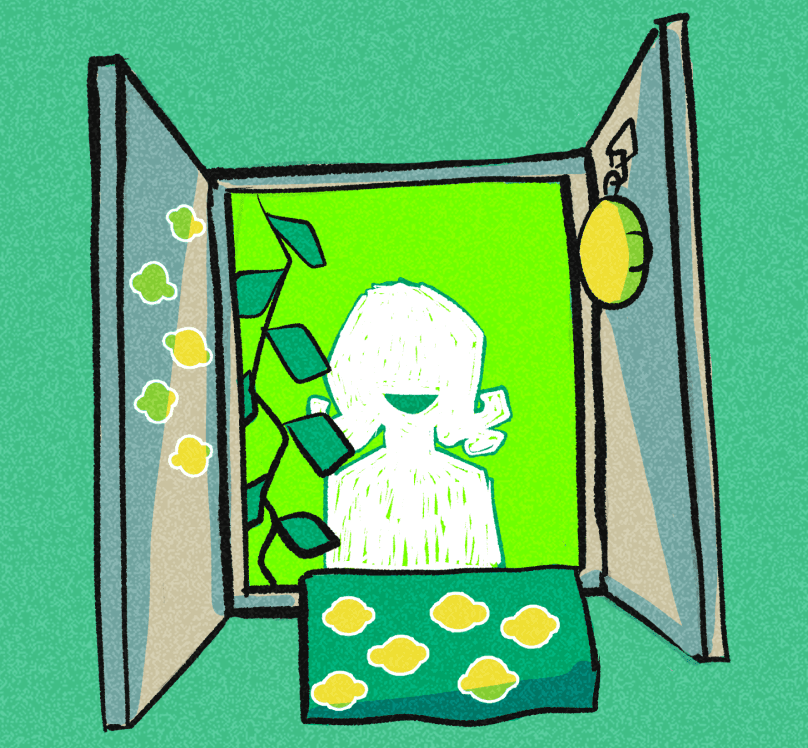
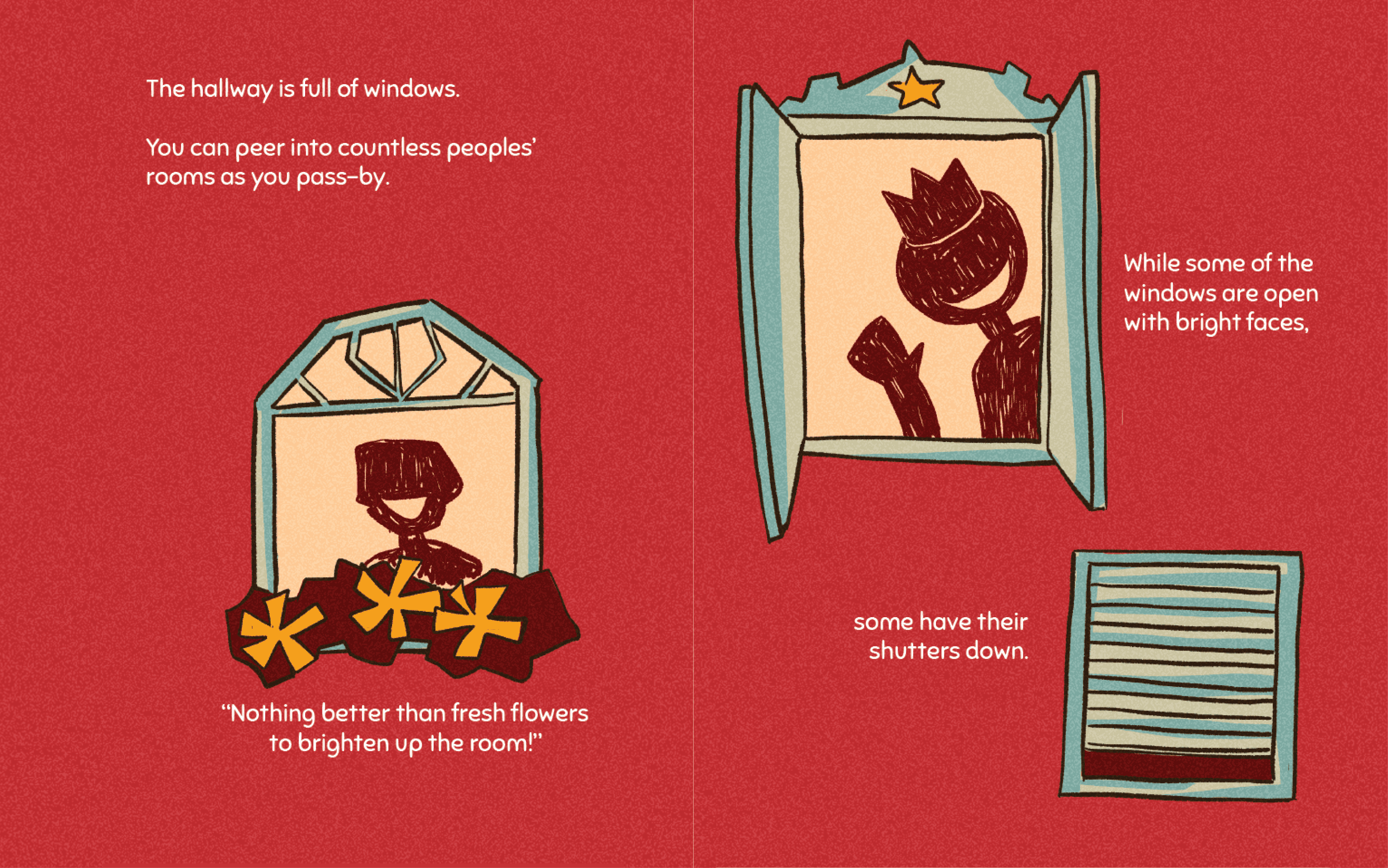
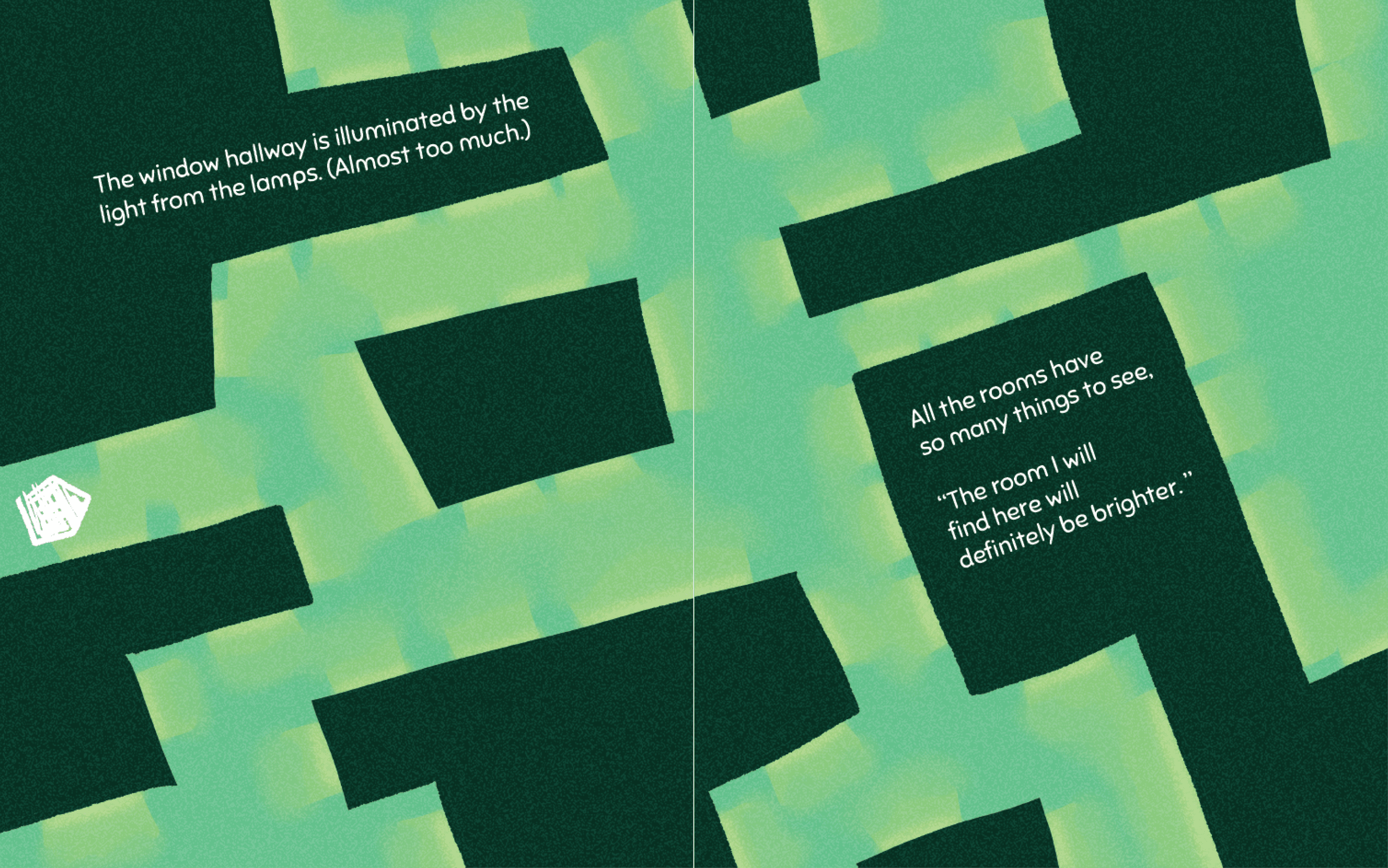
Window Hallway
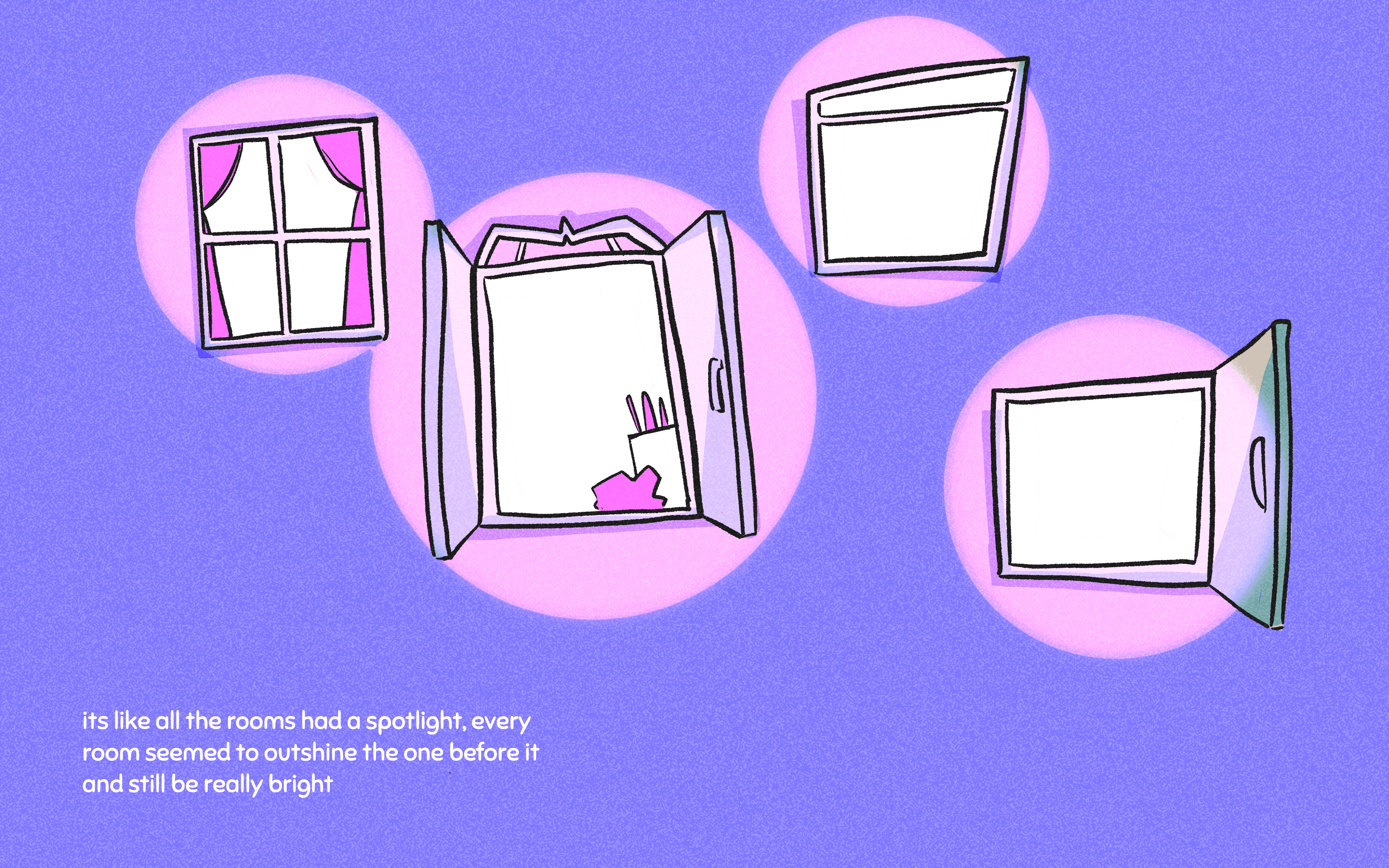
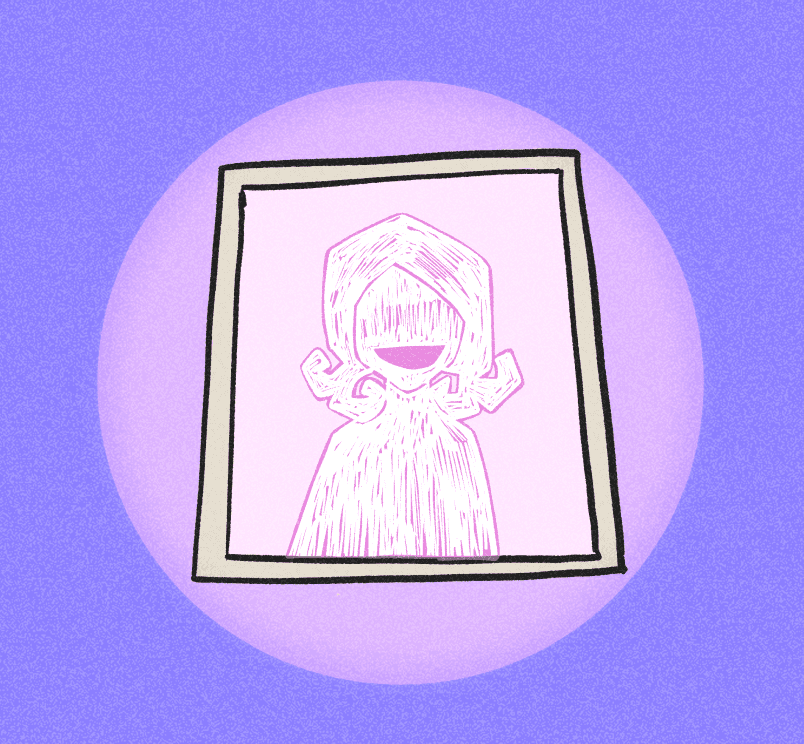
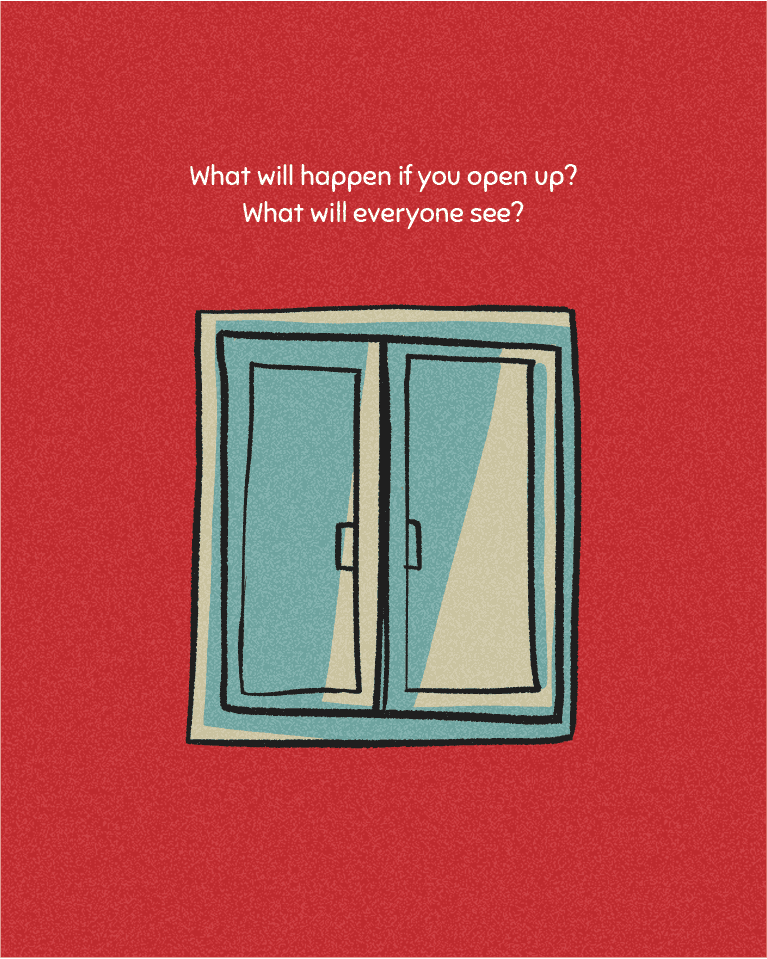
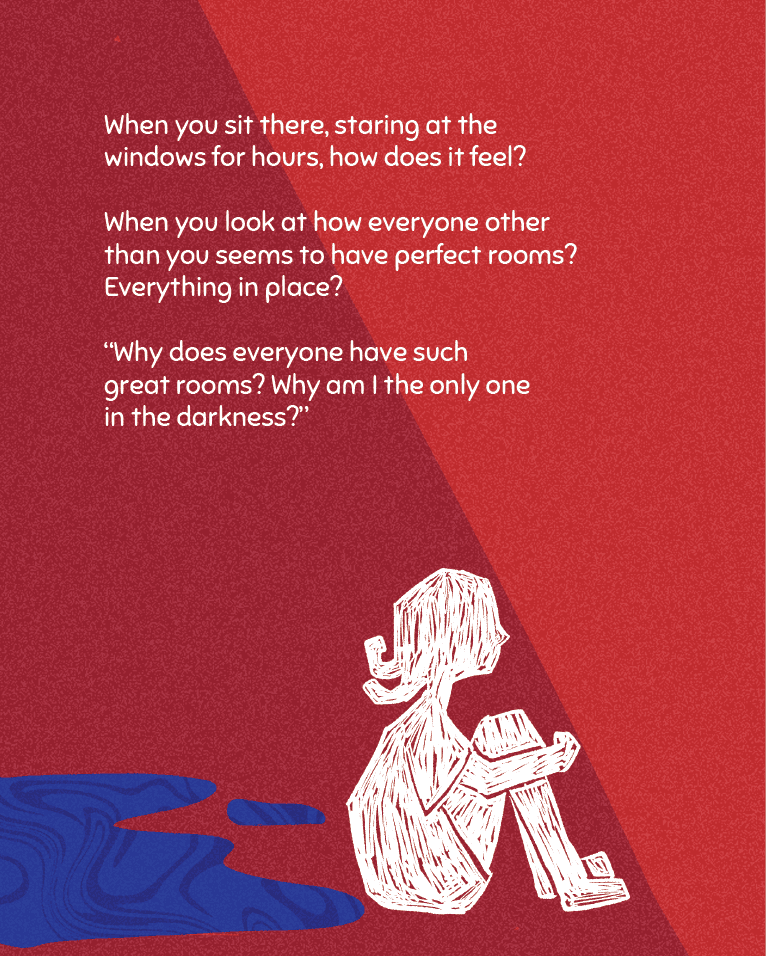
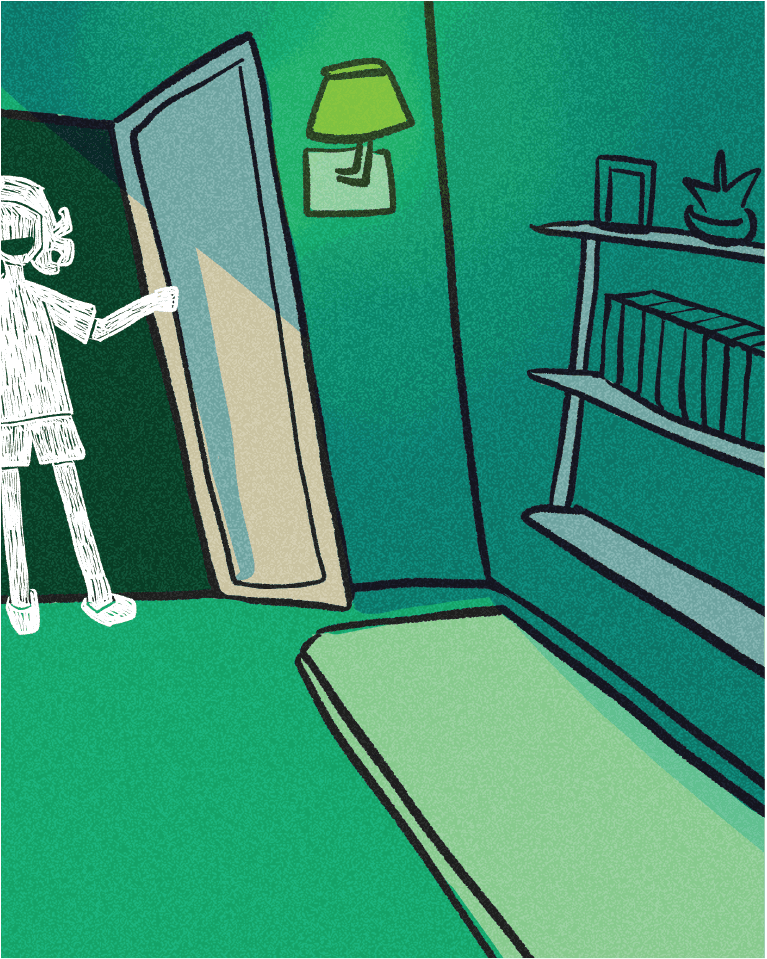
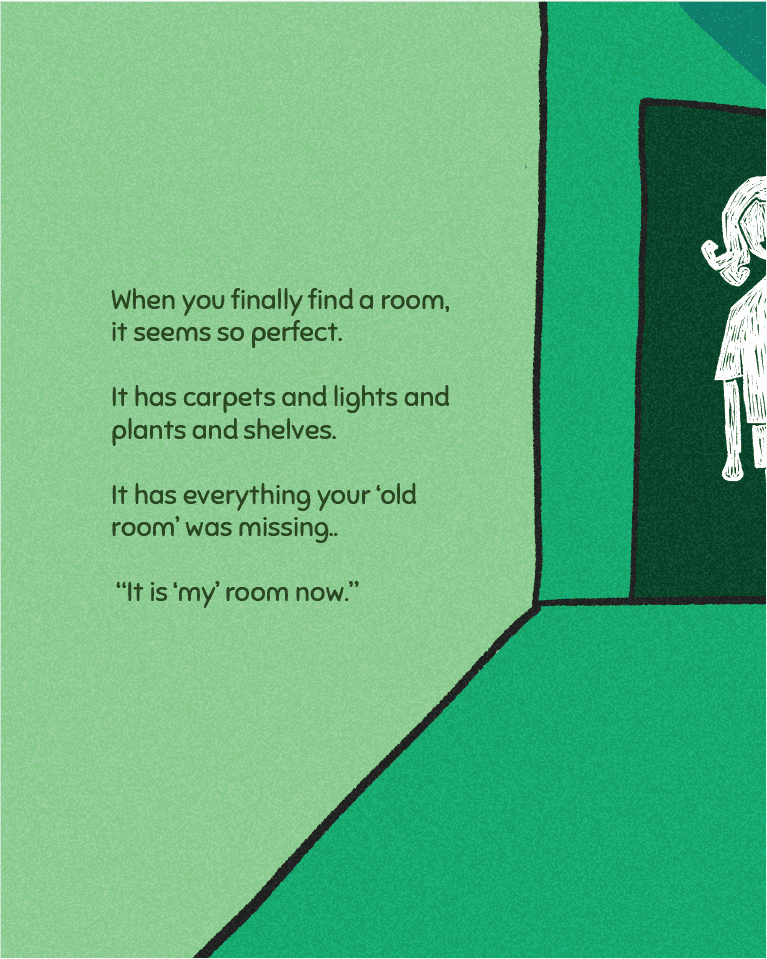
Rooms
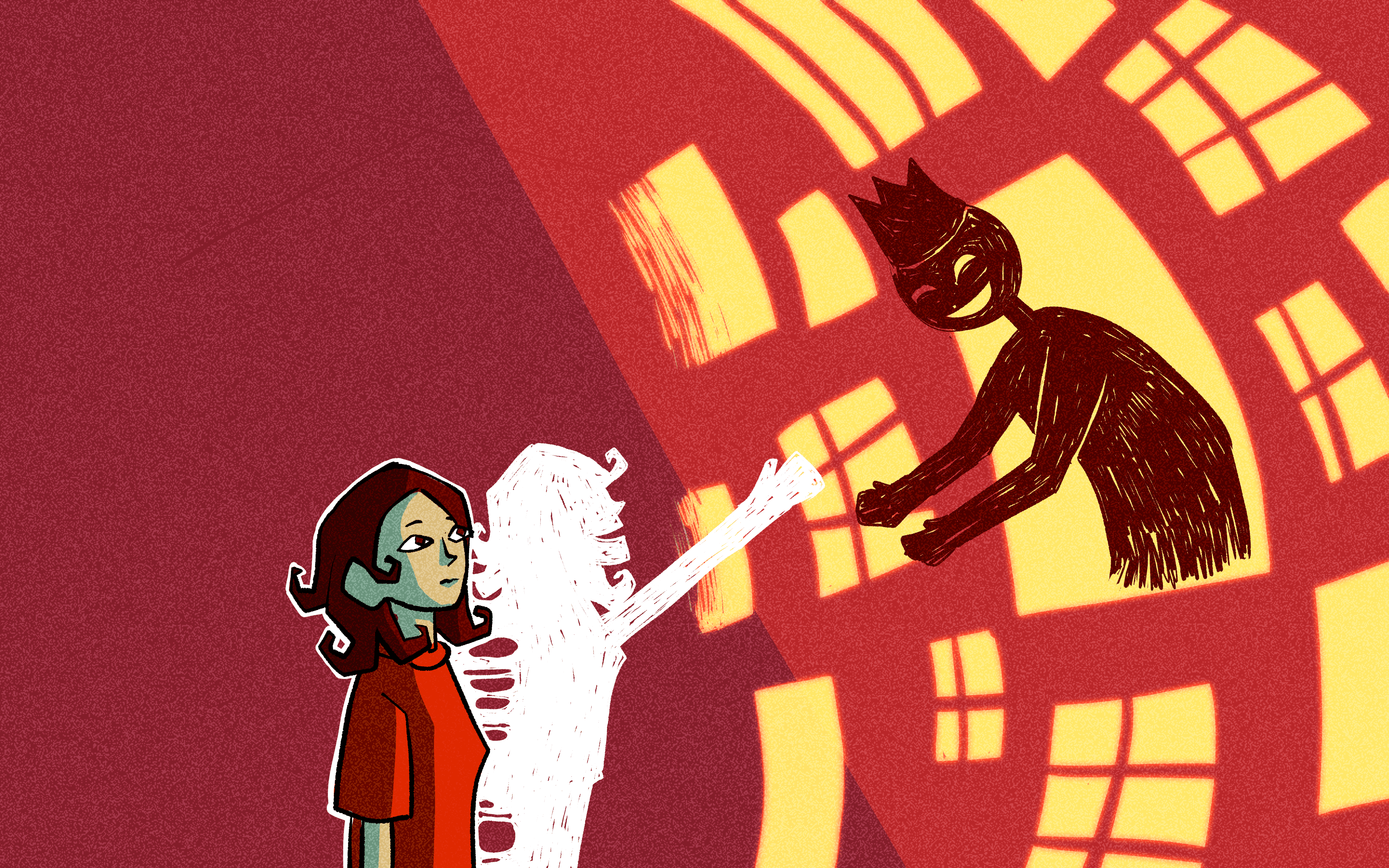
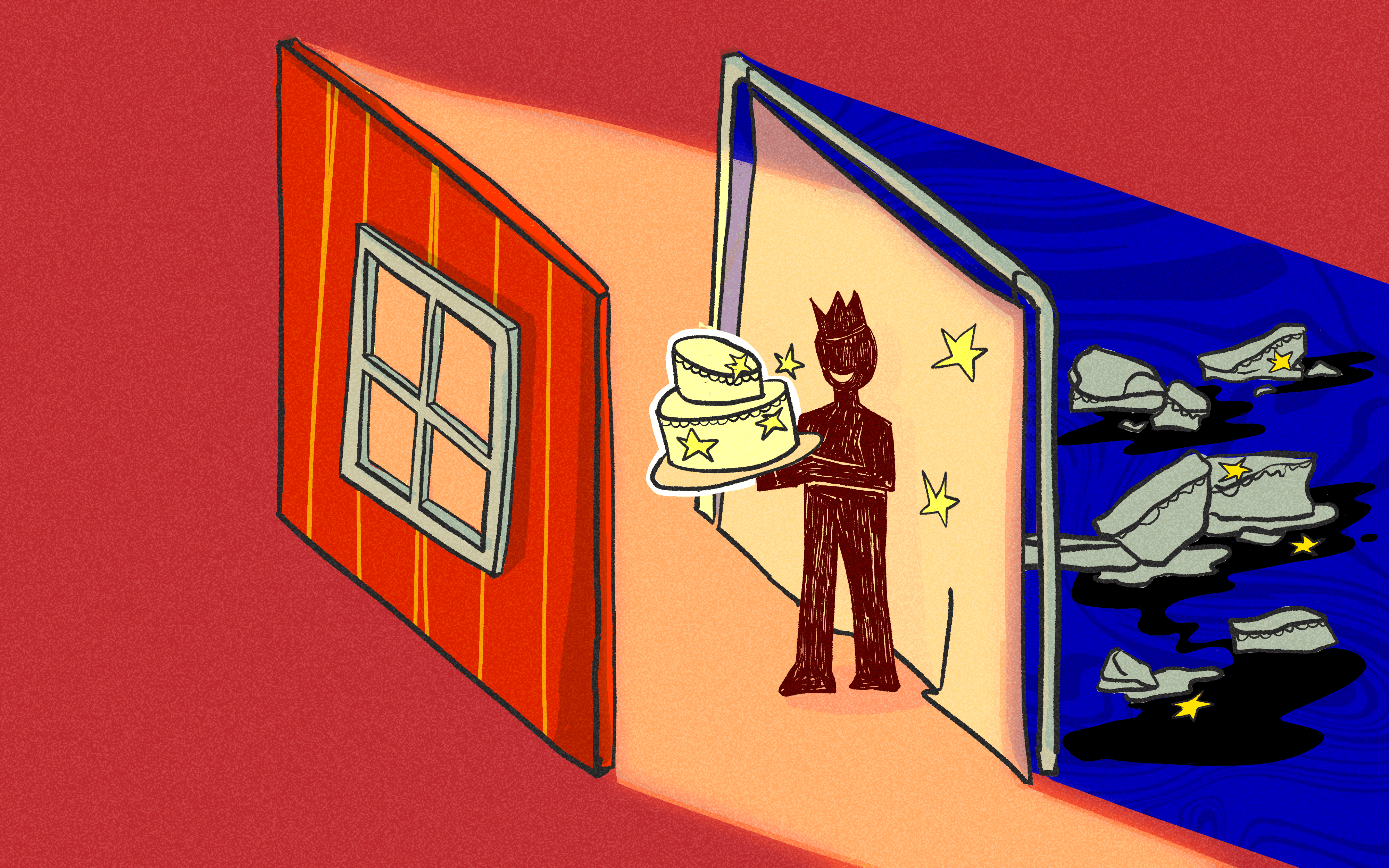
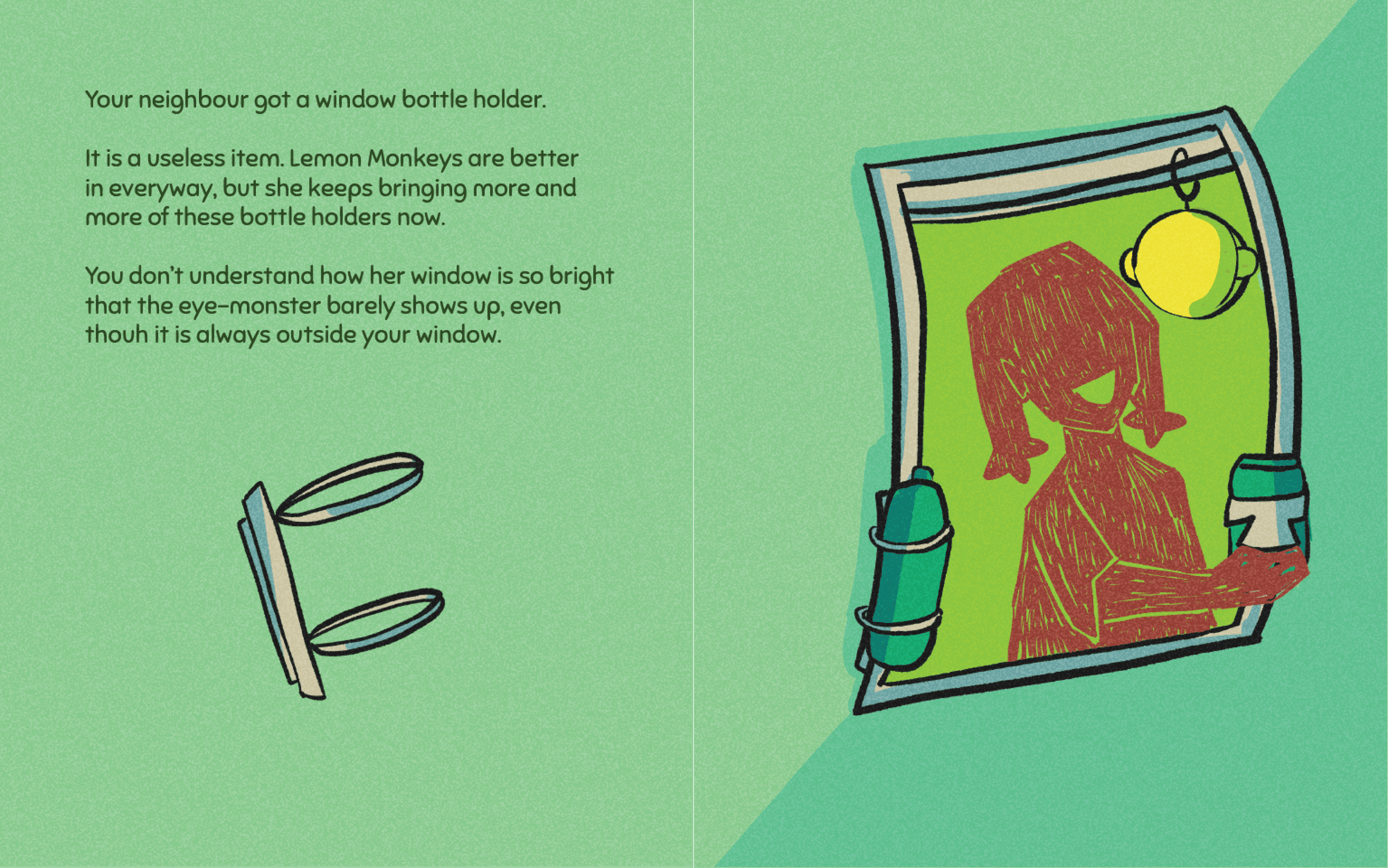
The posts, windows into their lives, and the timeline, having access to lives of thousands of strangers.
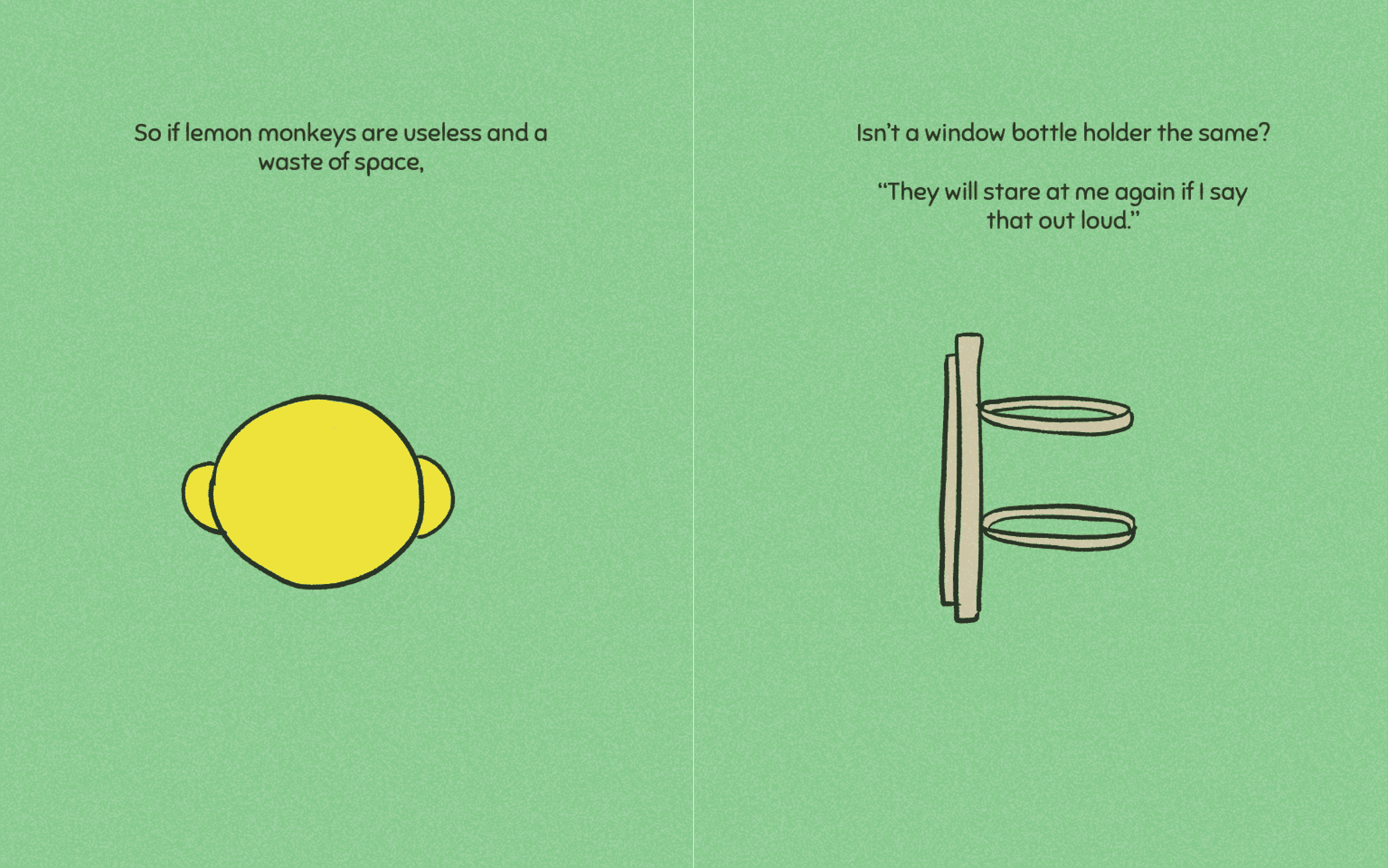
The things on the internet are named after places. Taking this concept from a video essay, the narrative shows social media as a place.
Each element of this place represents something from social media, also representing influence, peer pressure, social proof and how all these increasingly affect identity of a person.
Web Address
Home Page
Chat Rooms
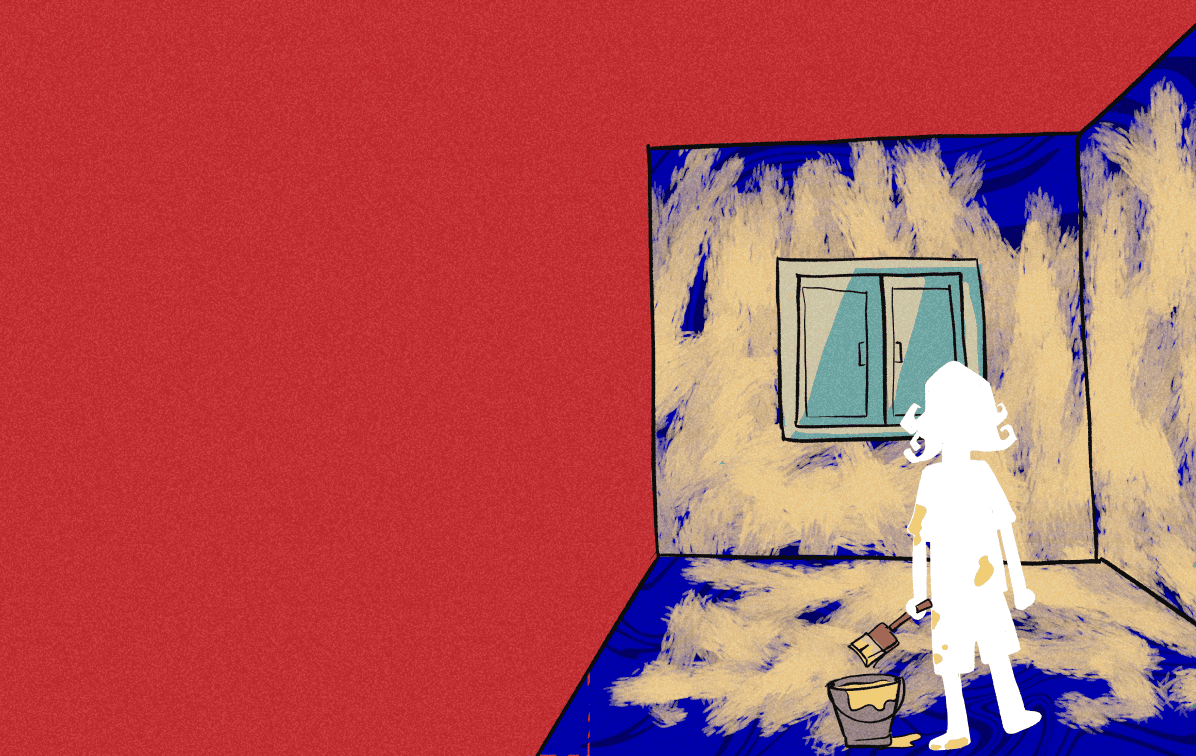
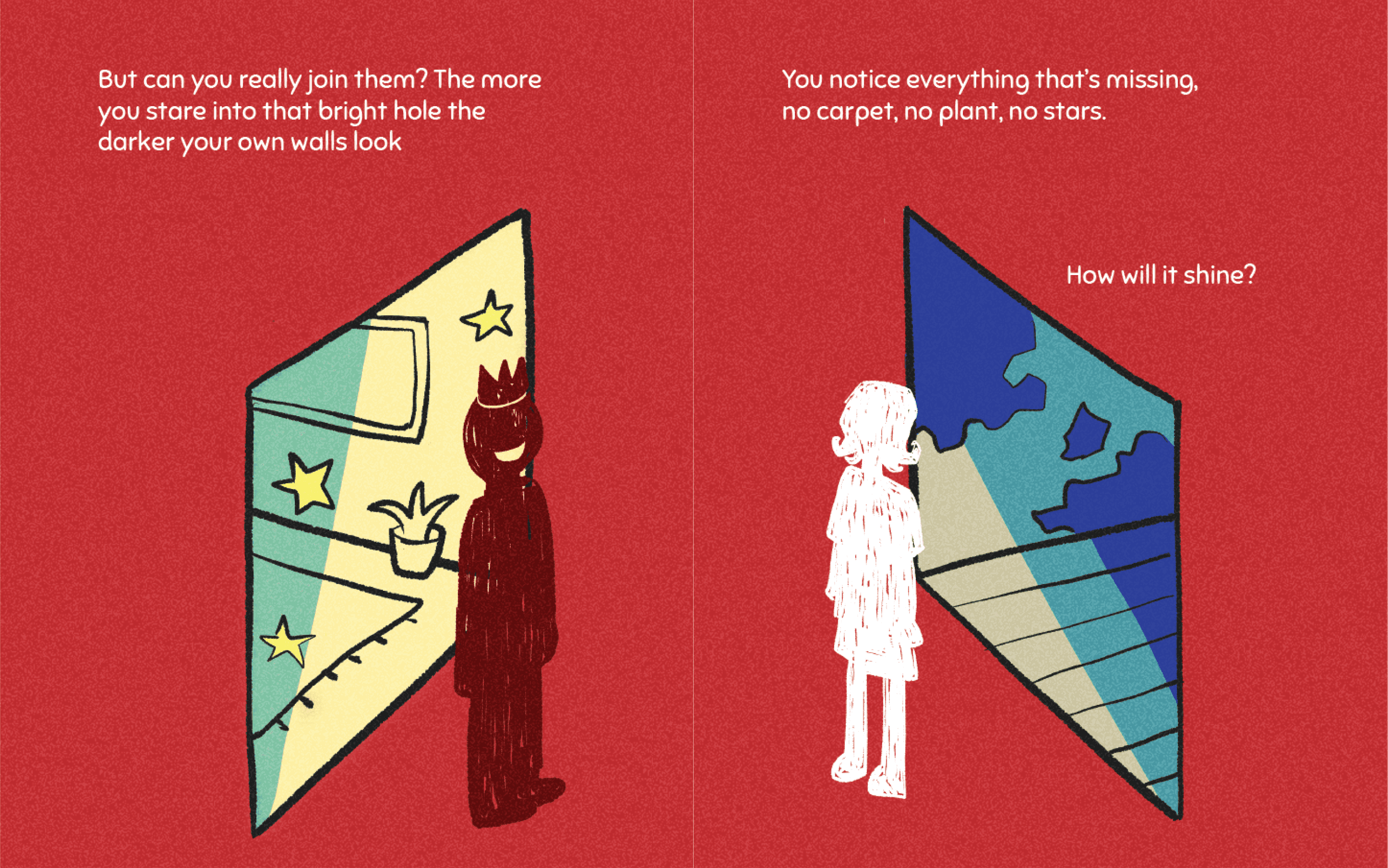
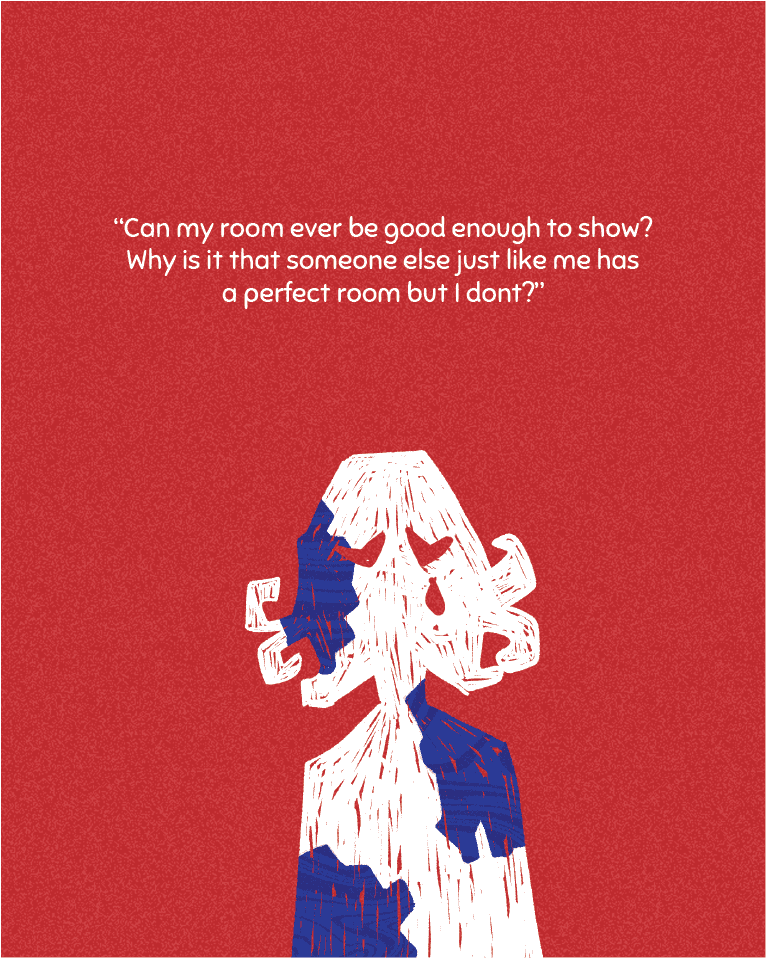
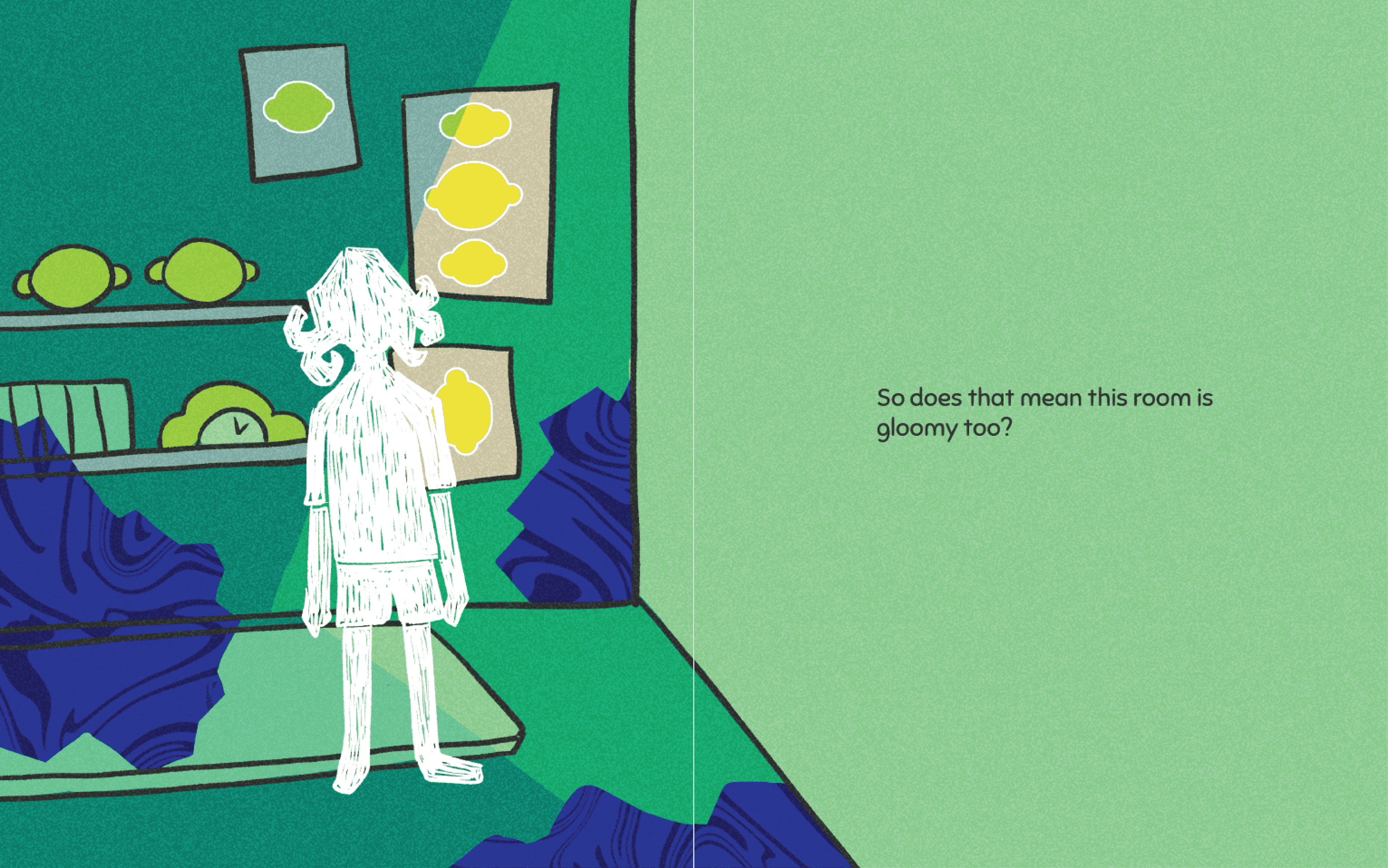
The profiles, personas of people and the parts of the room they choose to show.
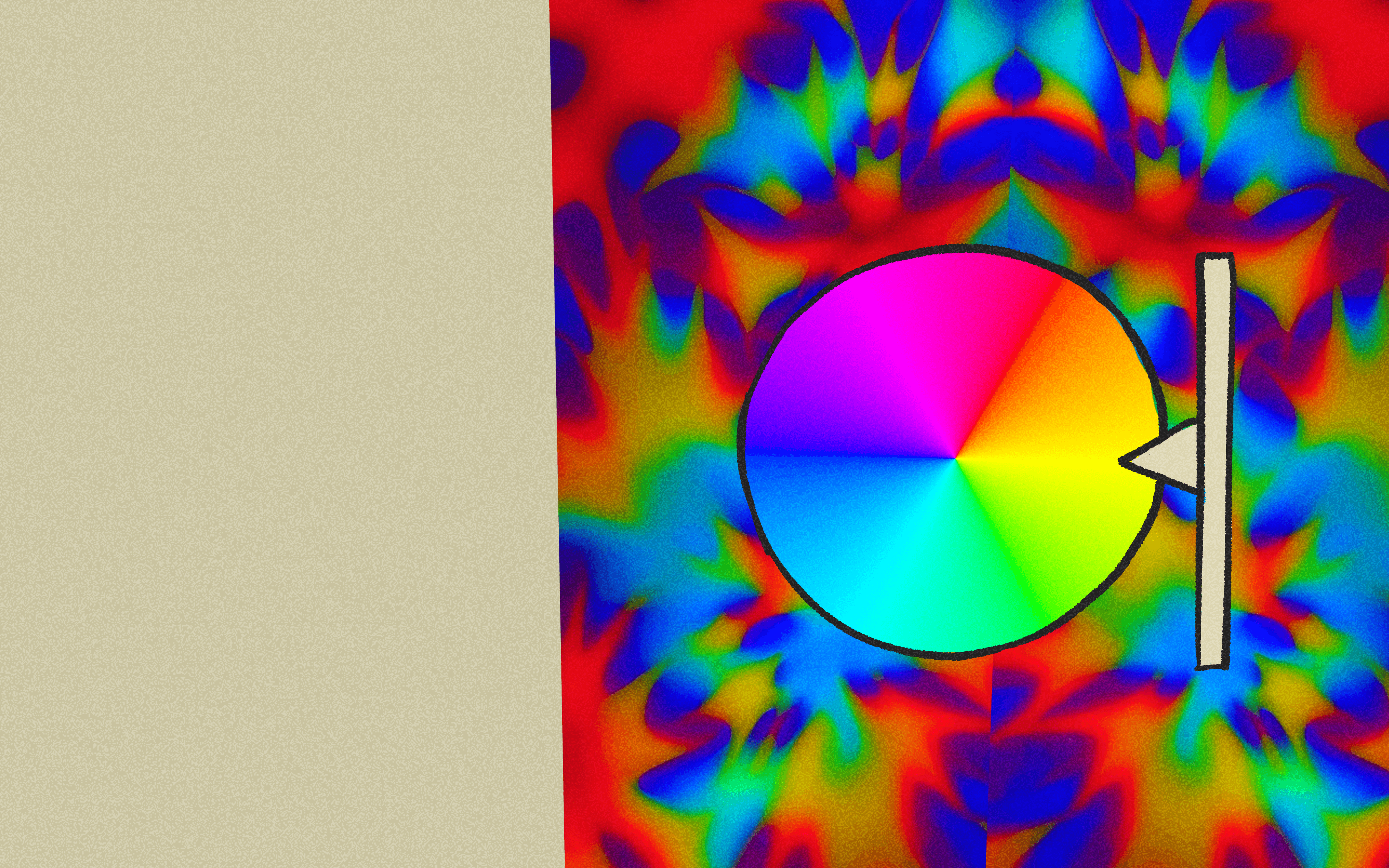
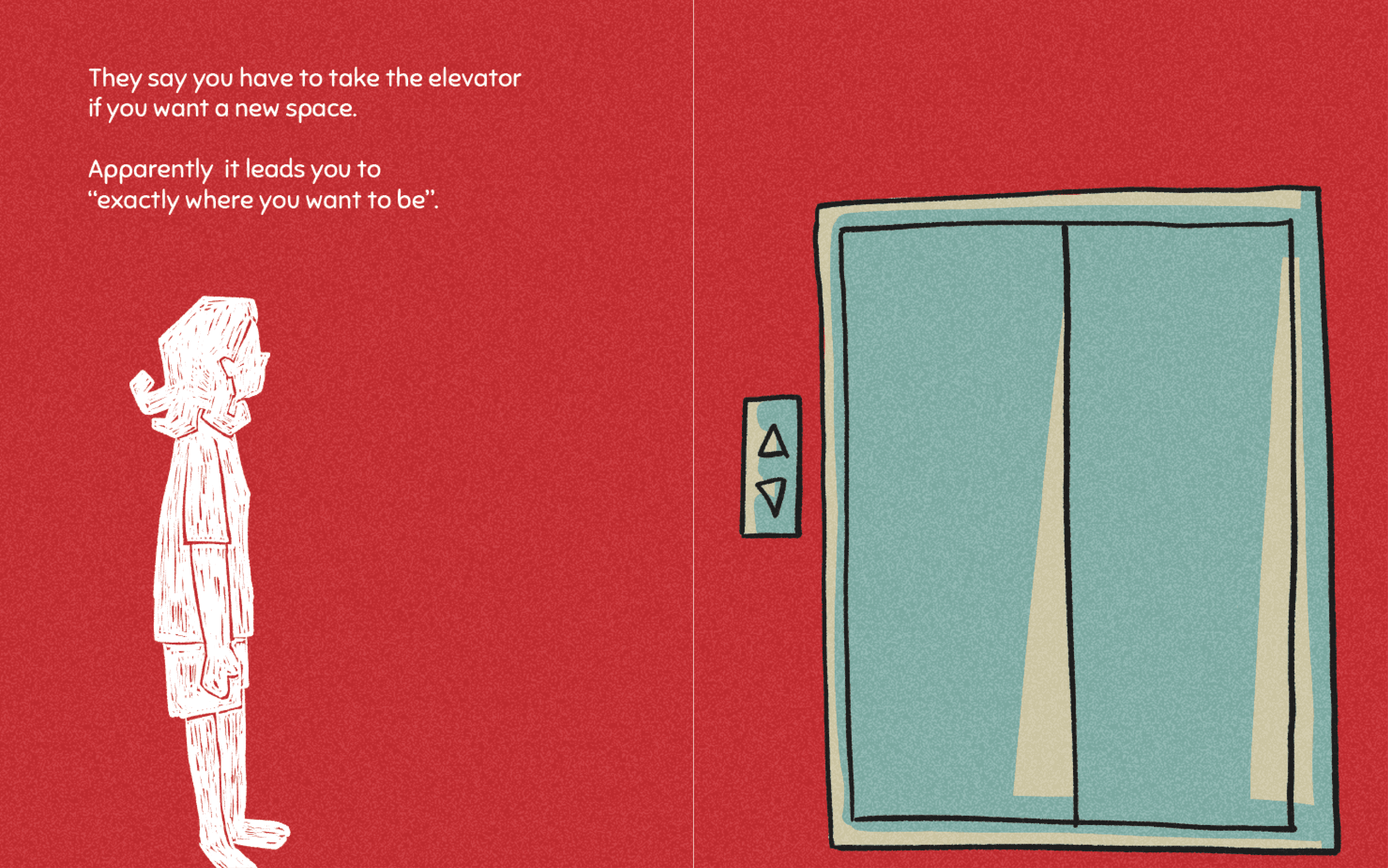
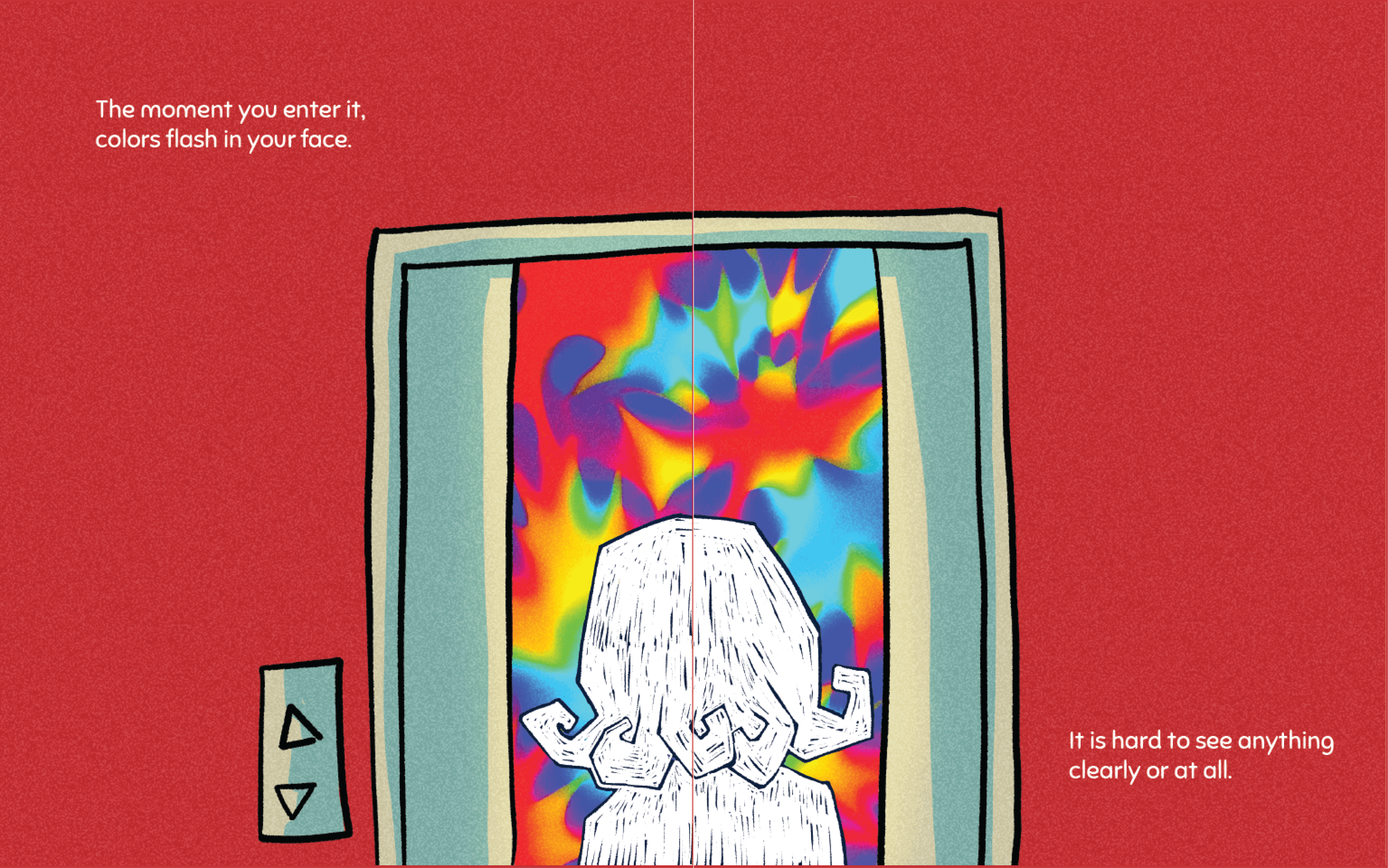
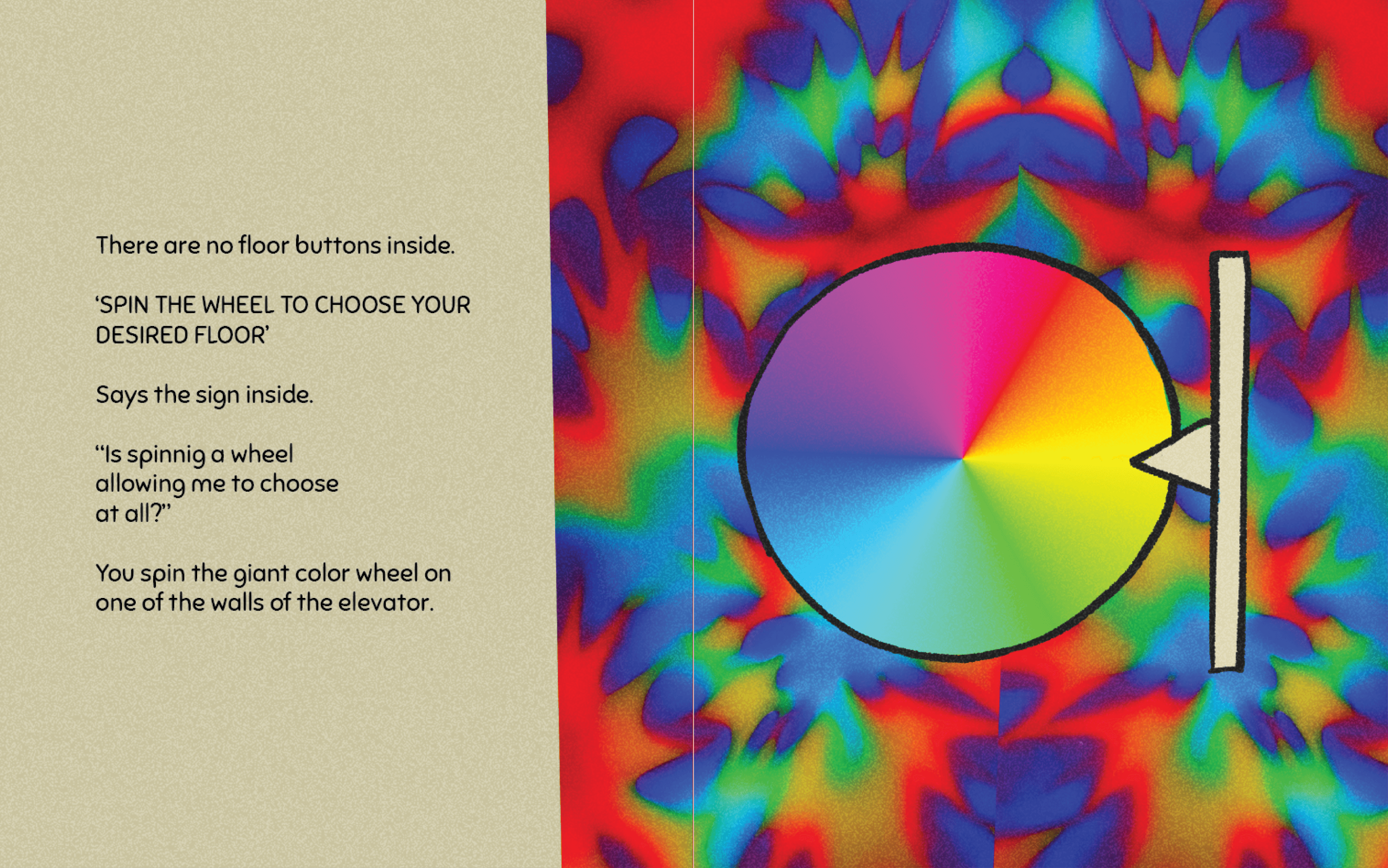
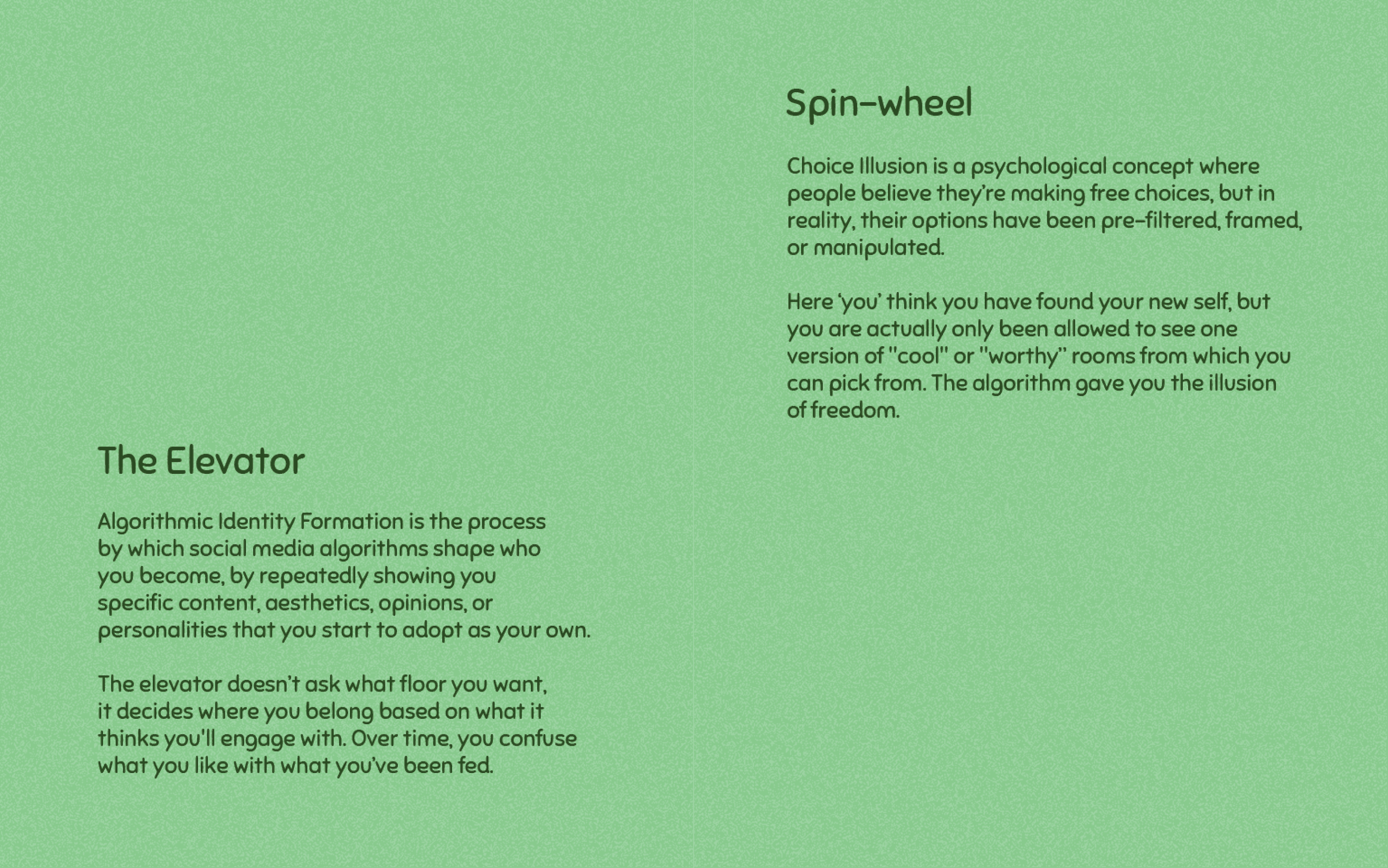
Elevator with no real buttons and spin-wheel, algorithm and the illusion of choice.
Online crowd. You see them on our timeline, in comment sections, replies and direct messages.
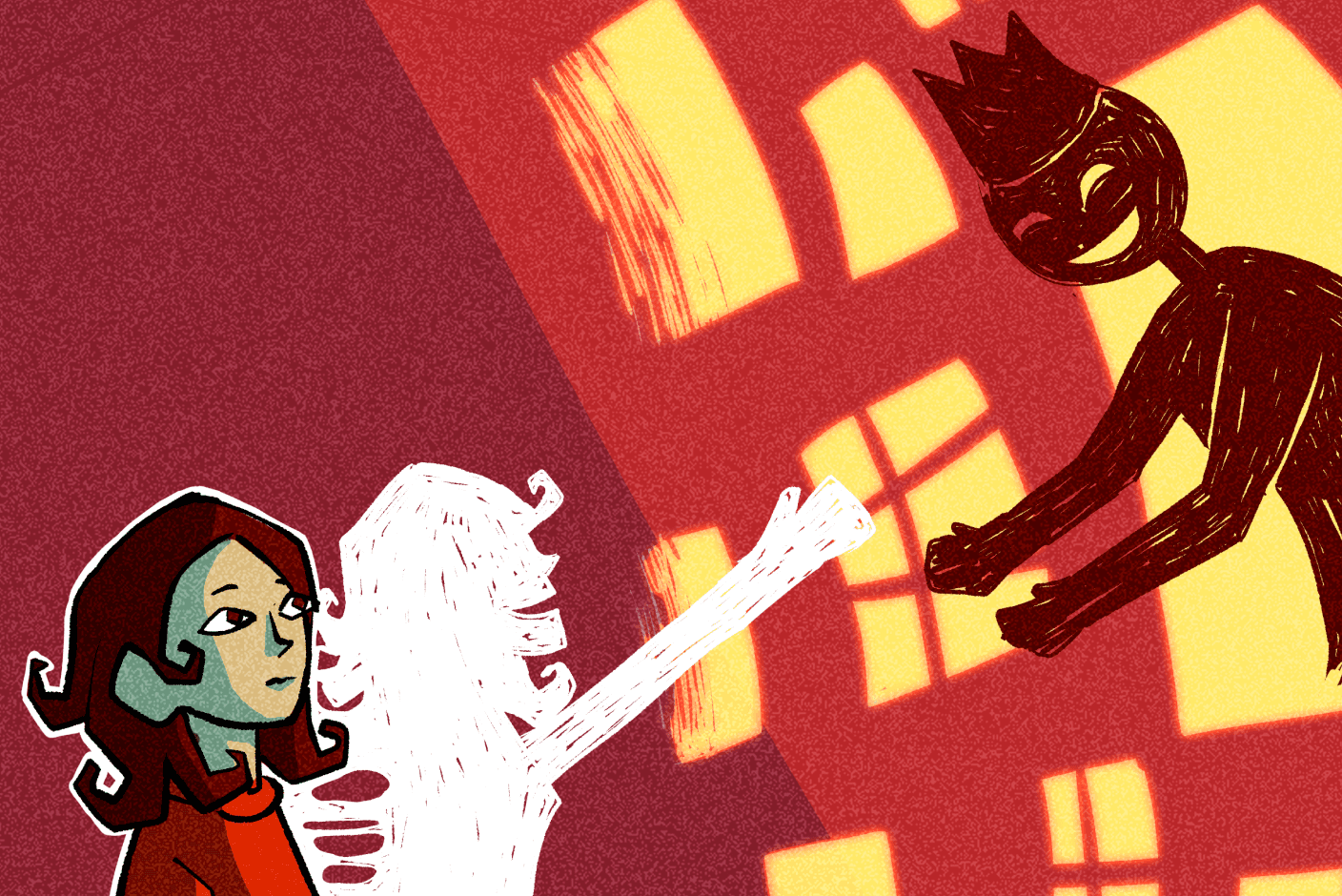
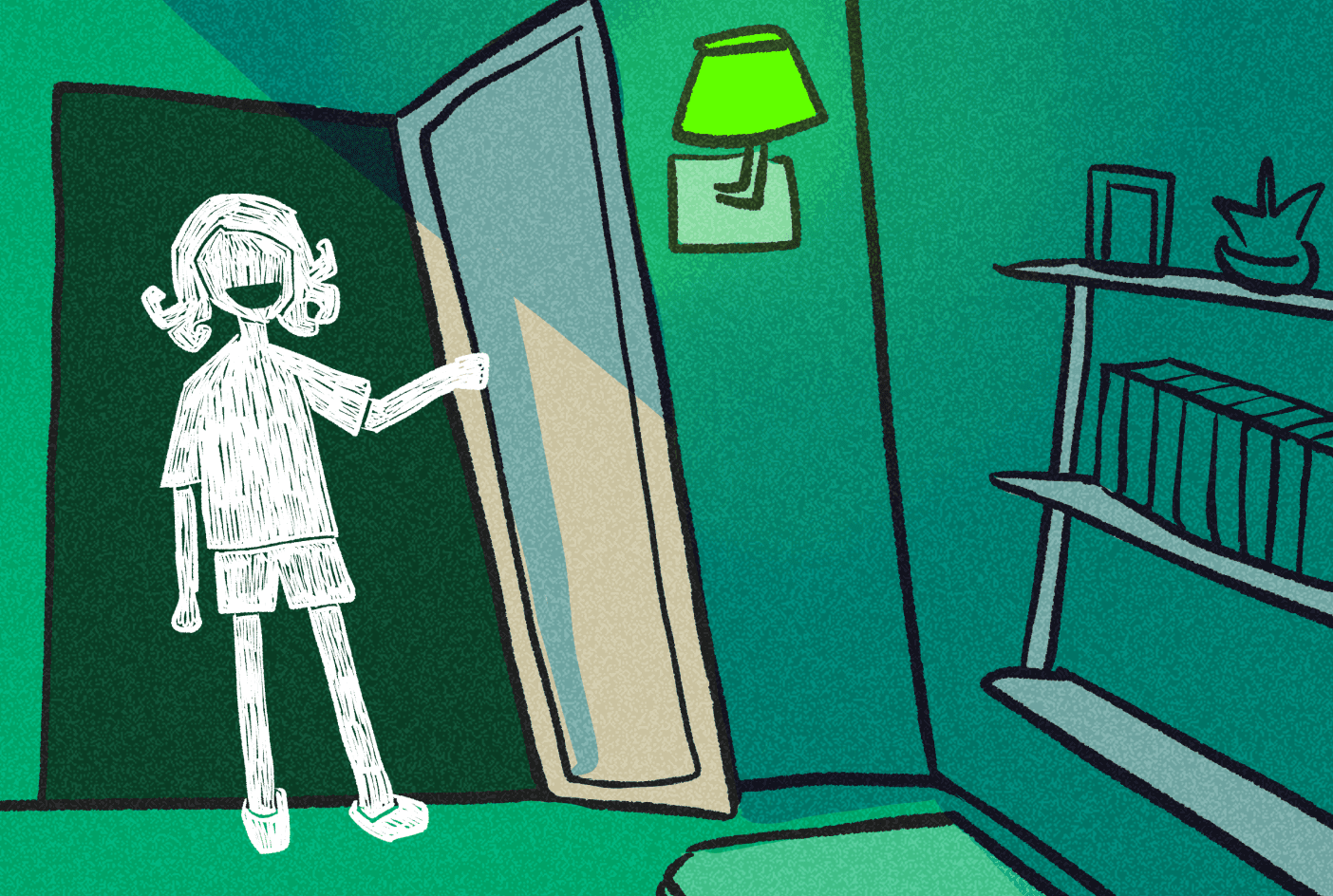
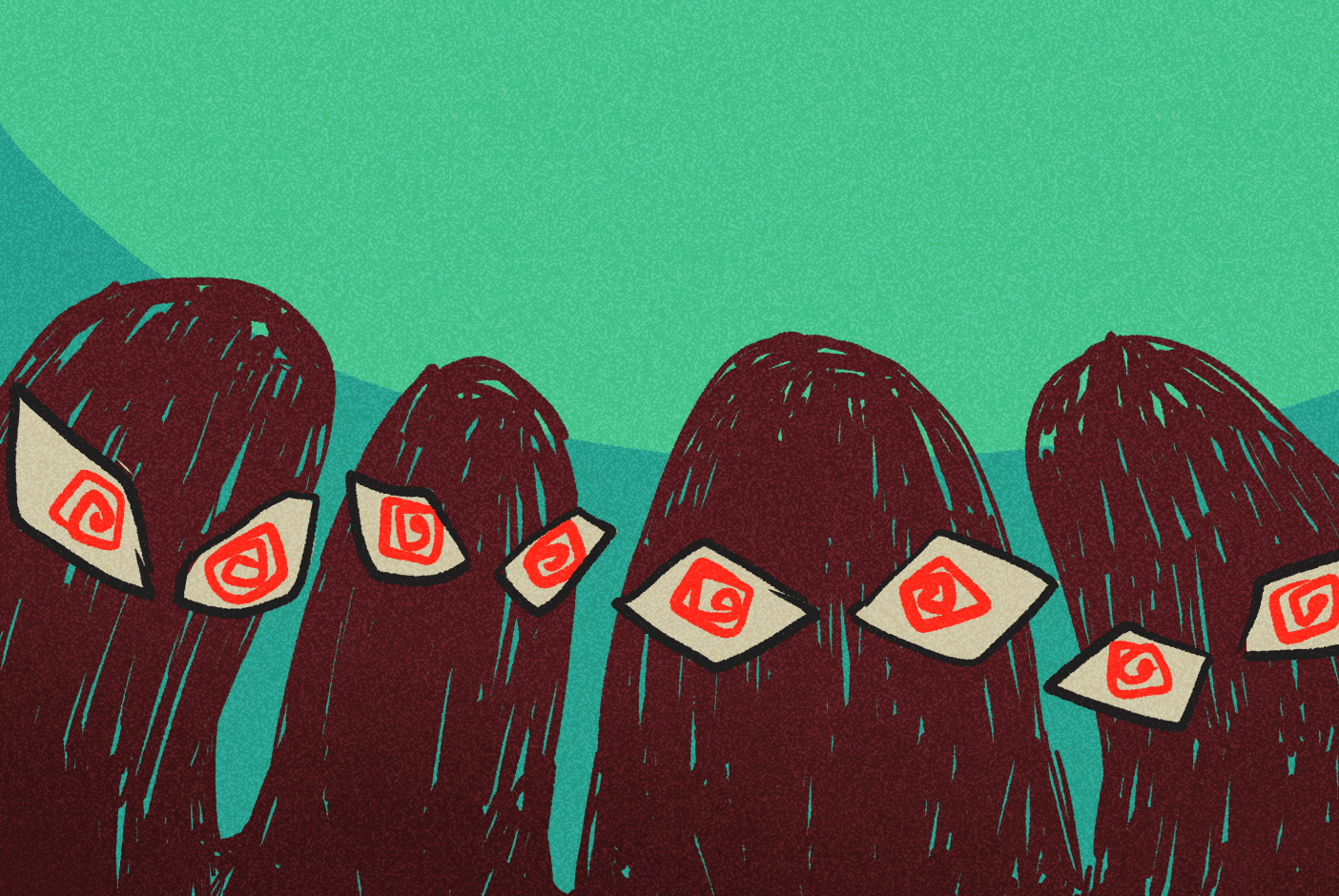
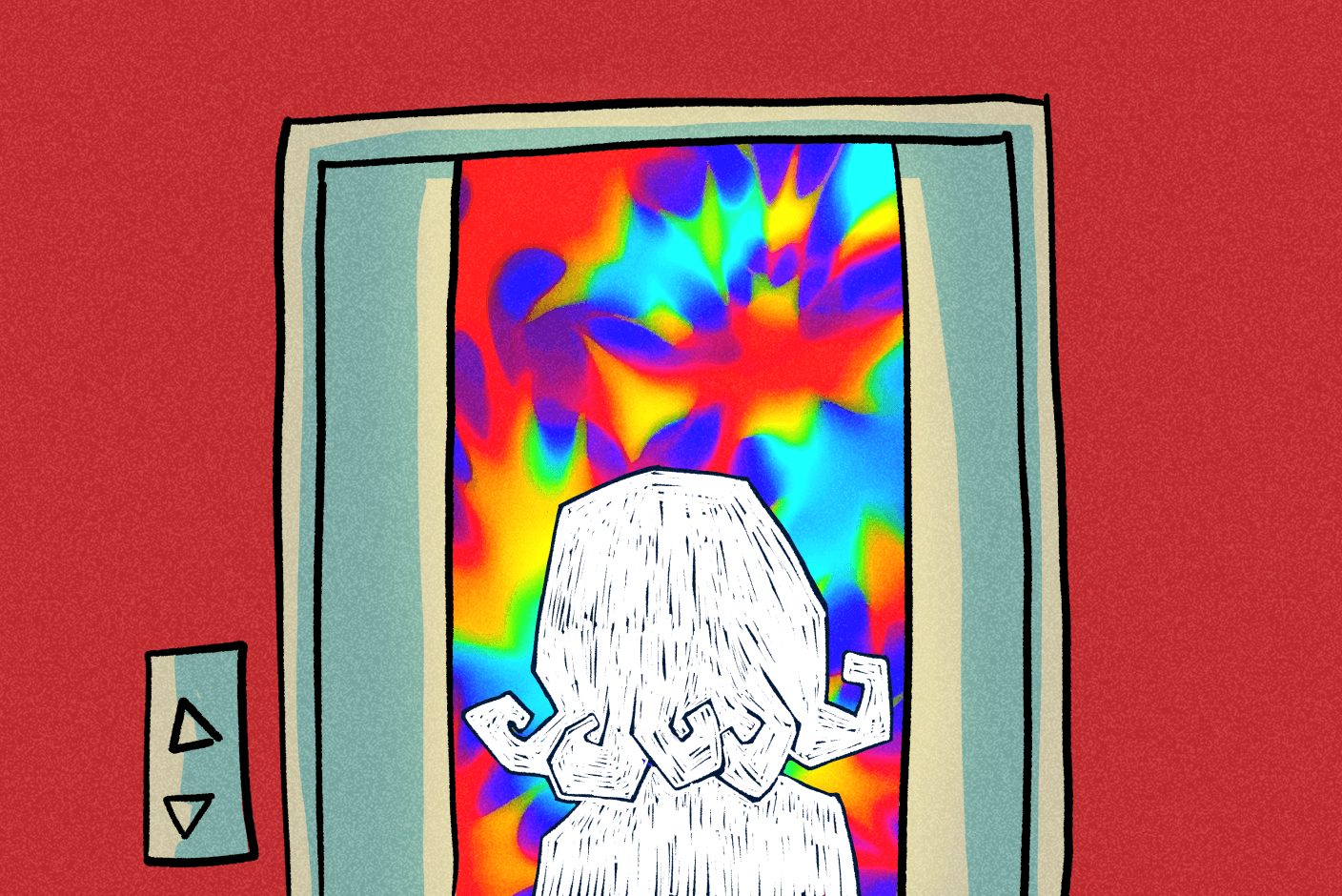
Colors & Floors
Surveillance Capitalism & Consumerism
Filter bubbles & Template Personalities
Validation Loops & Identity Distress
The algorithm learns your type and then you start becoming it.
RED FLOOR
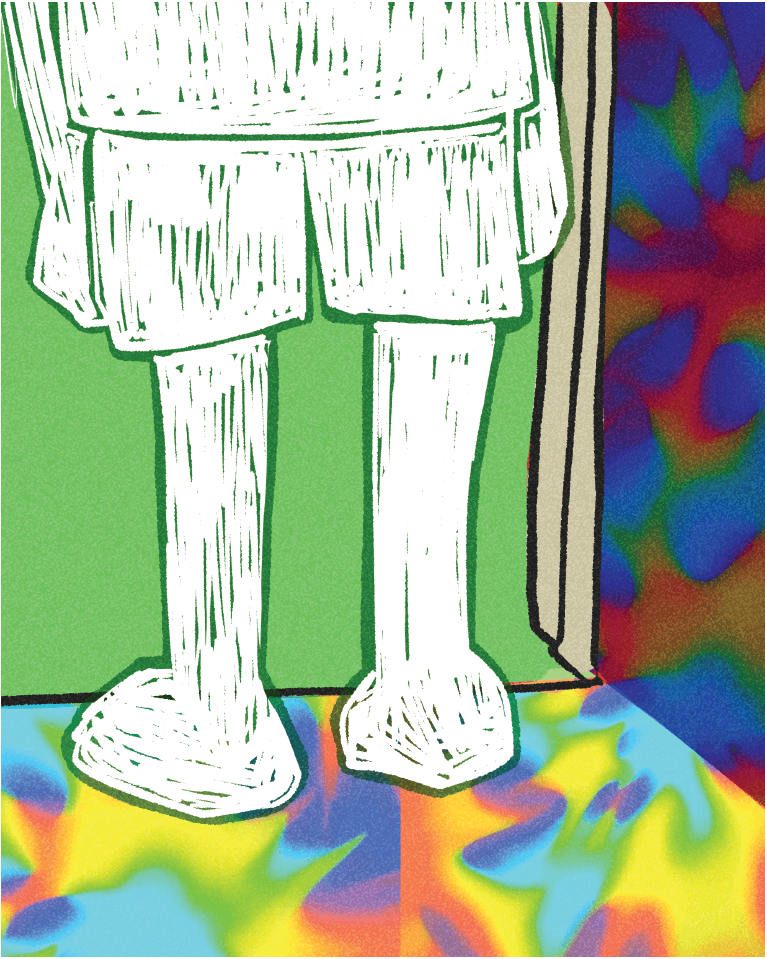
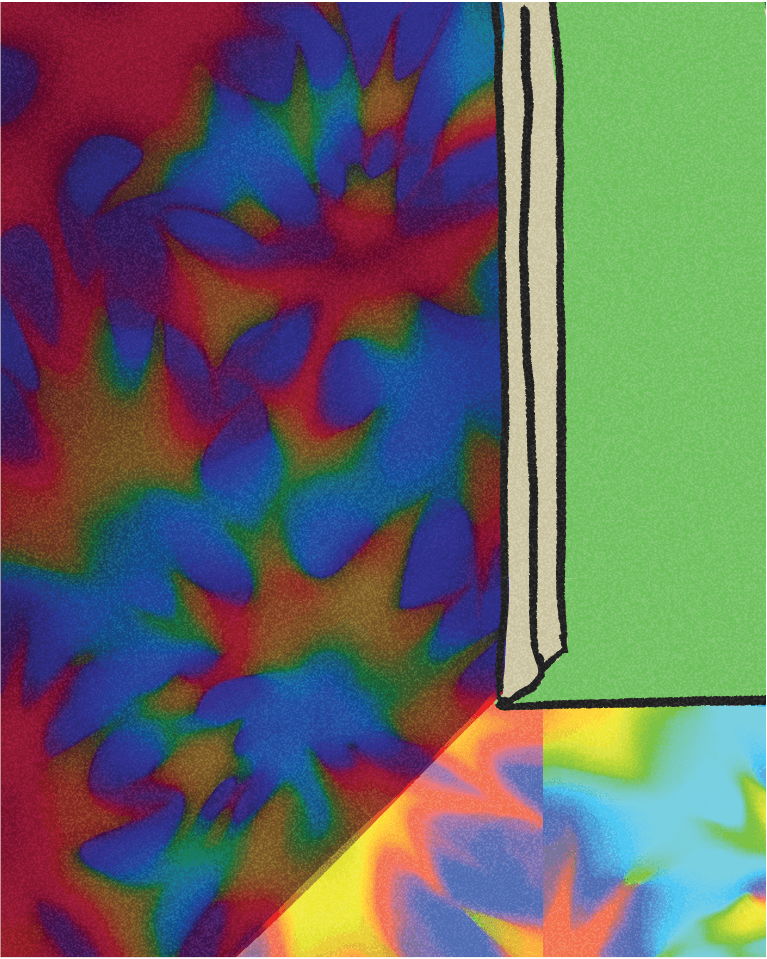
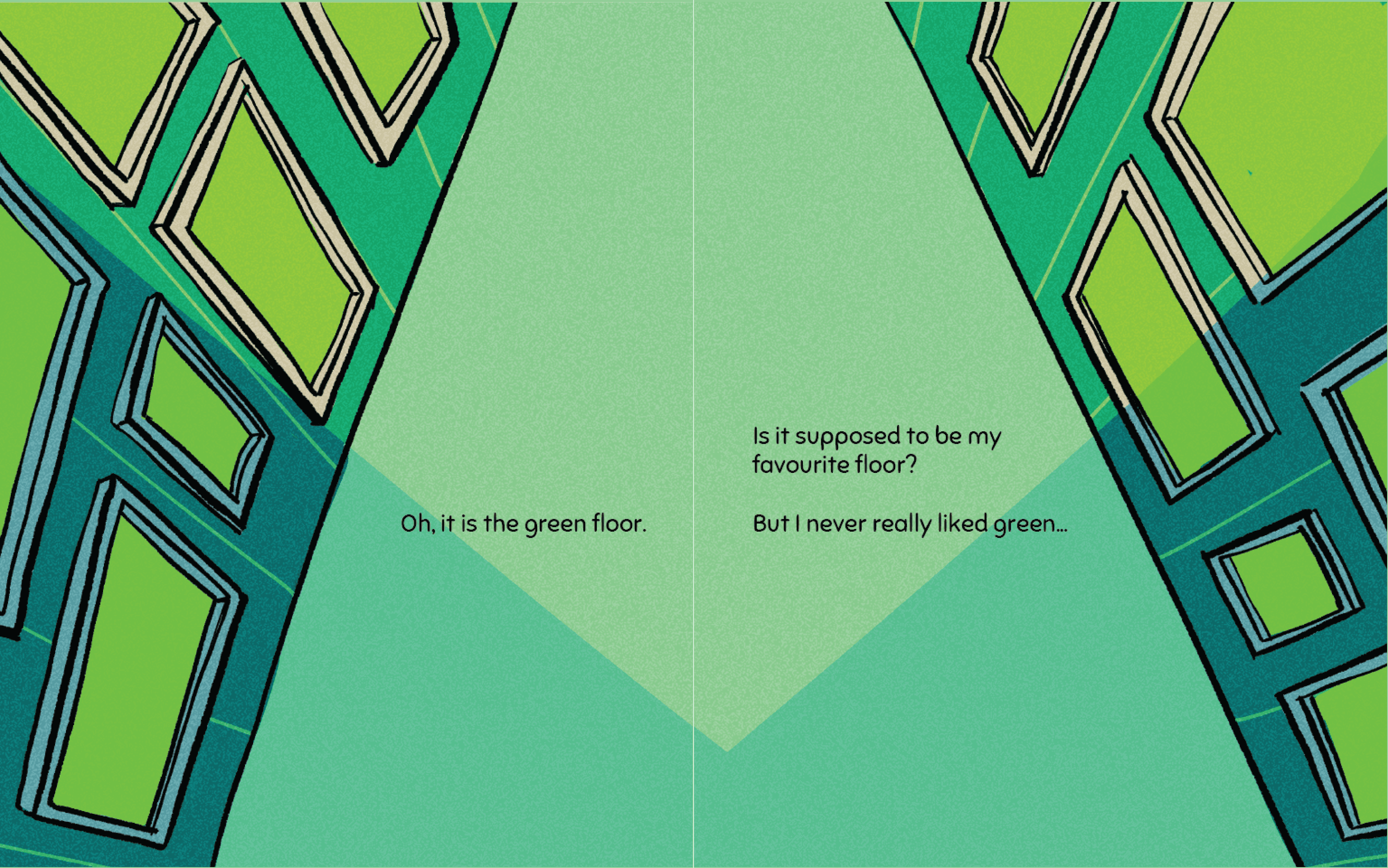
GREEN FLOOR
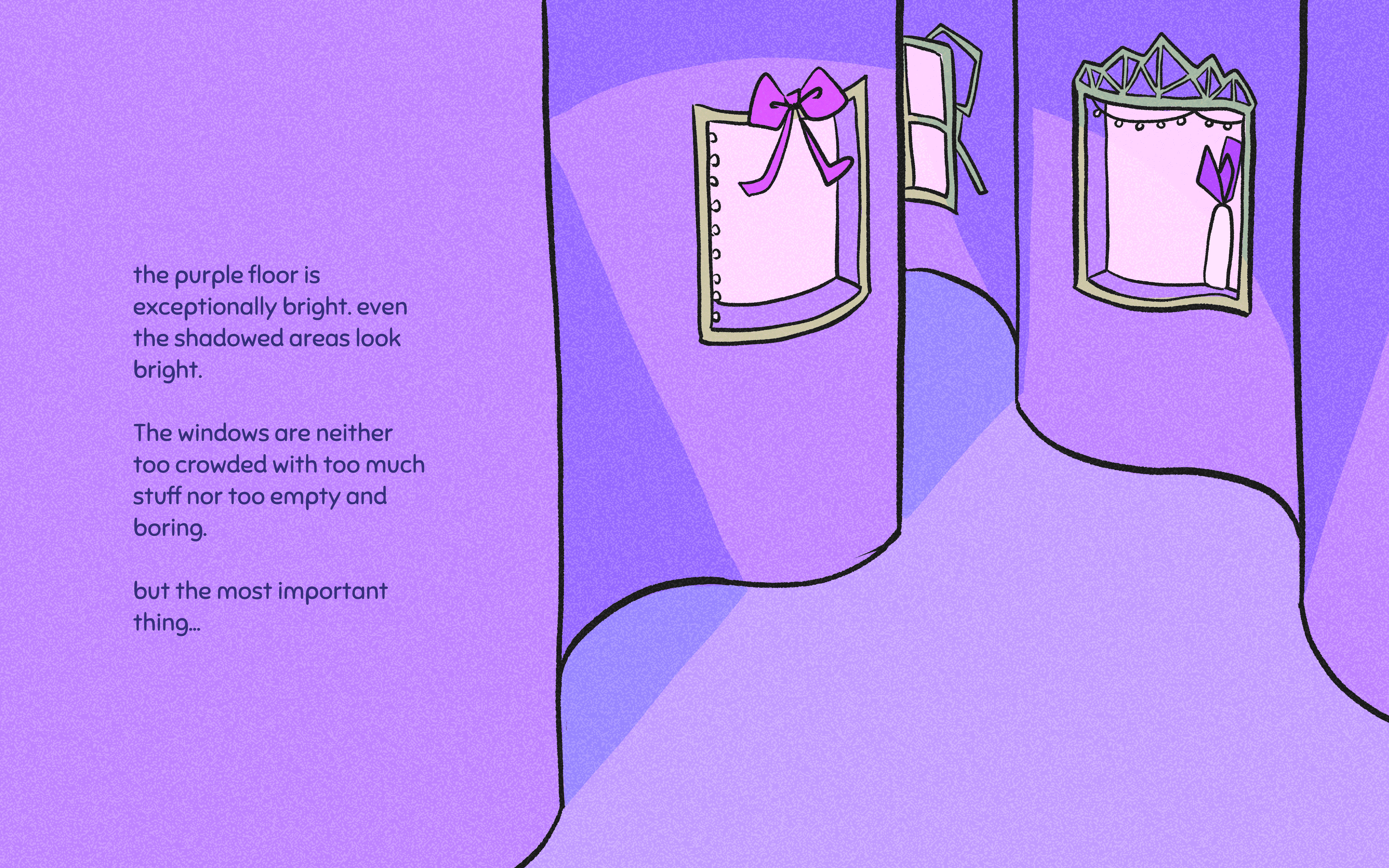
PURPLE FLOOR
How influencer culture drive aspirational consumption and identity performance.
Social media blurs the line between self-expression and consumerism.
Book 1
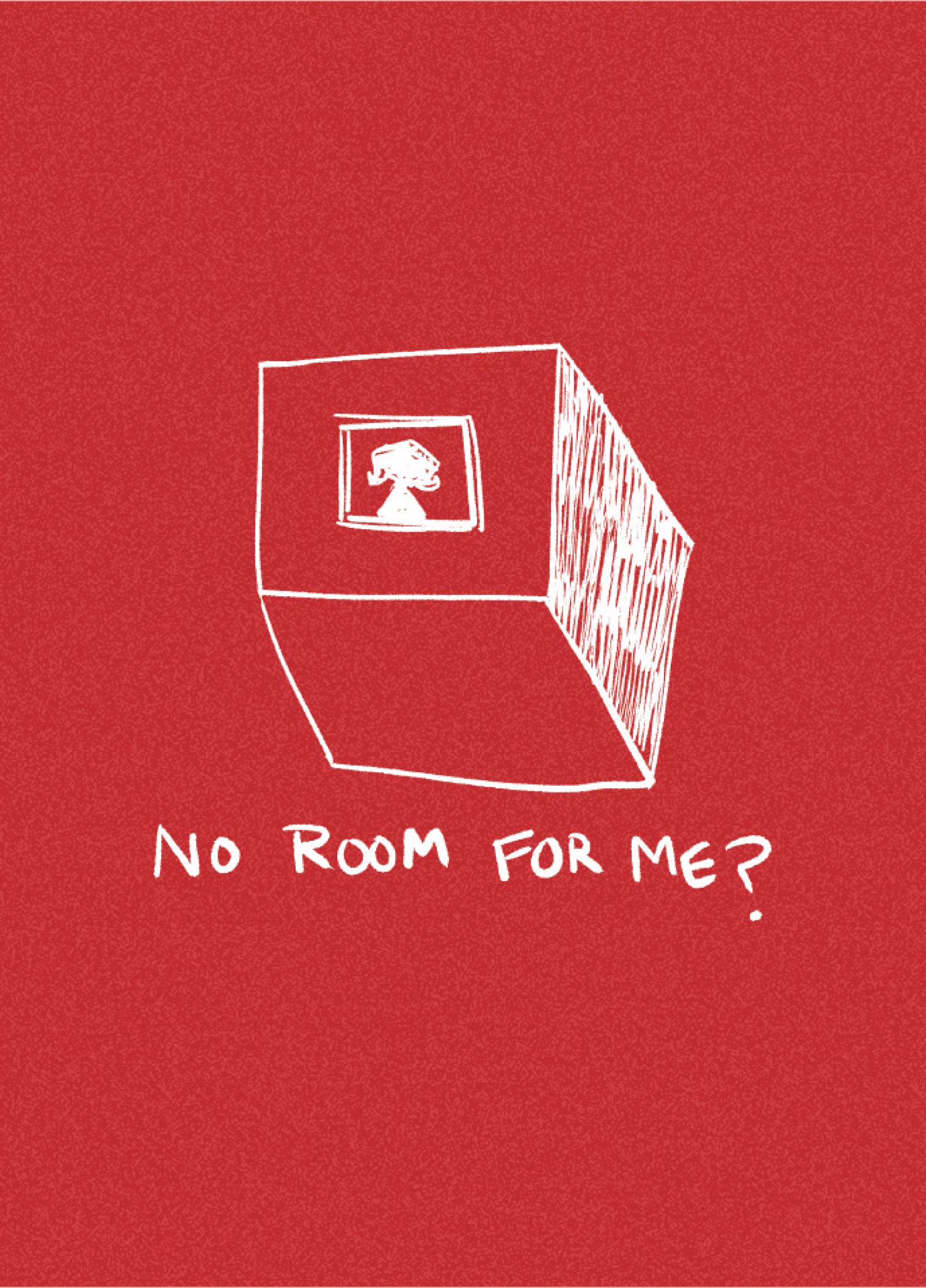
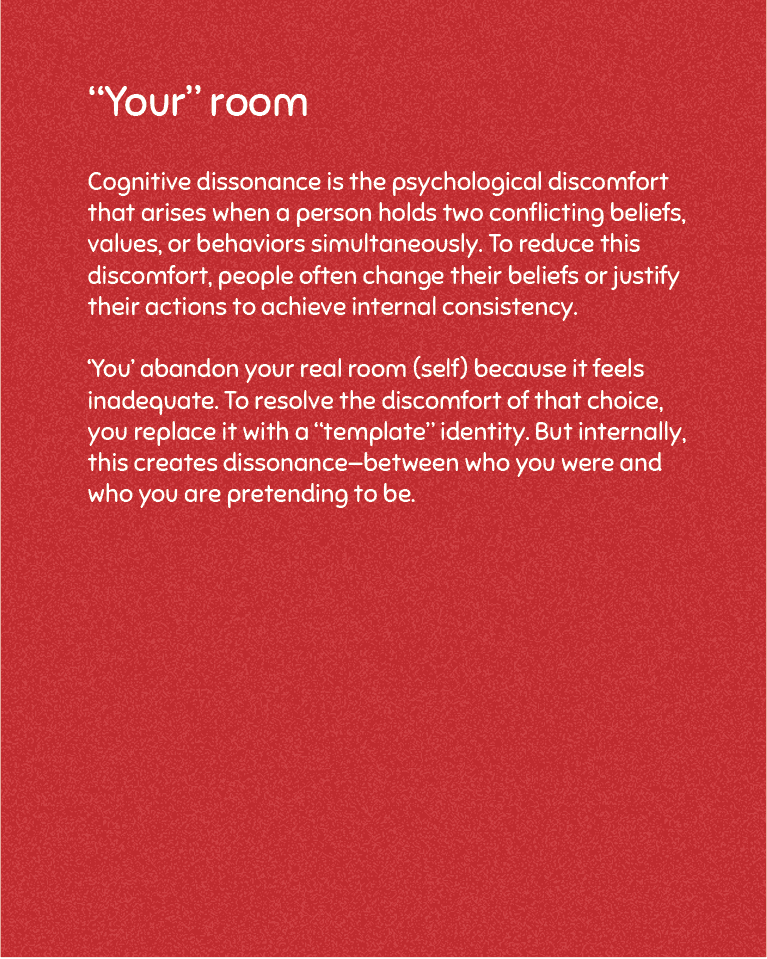
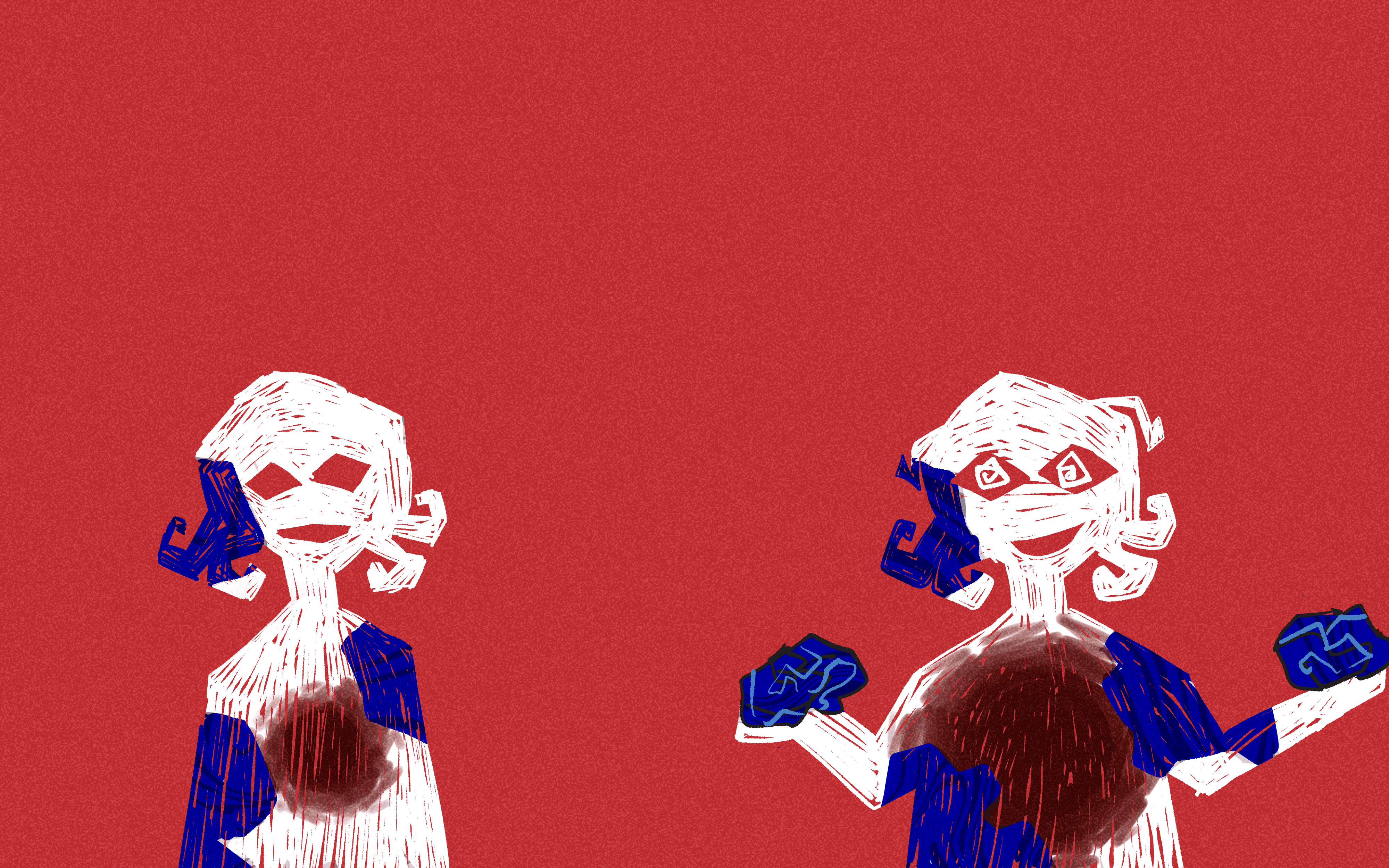
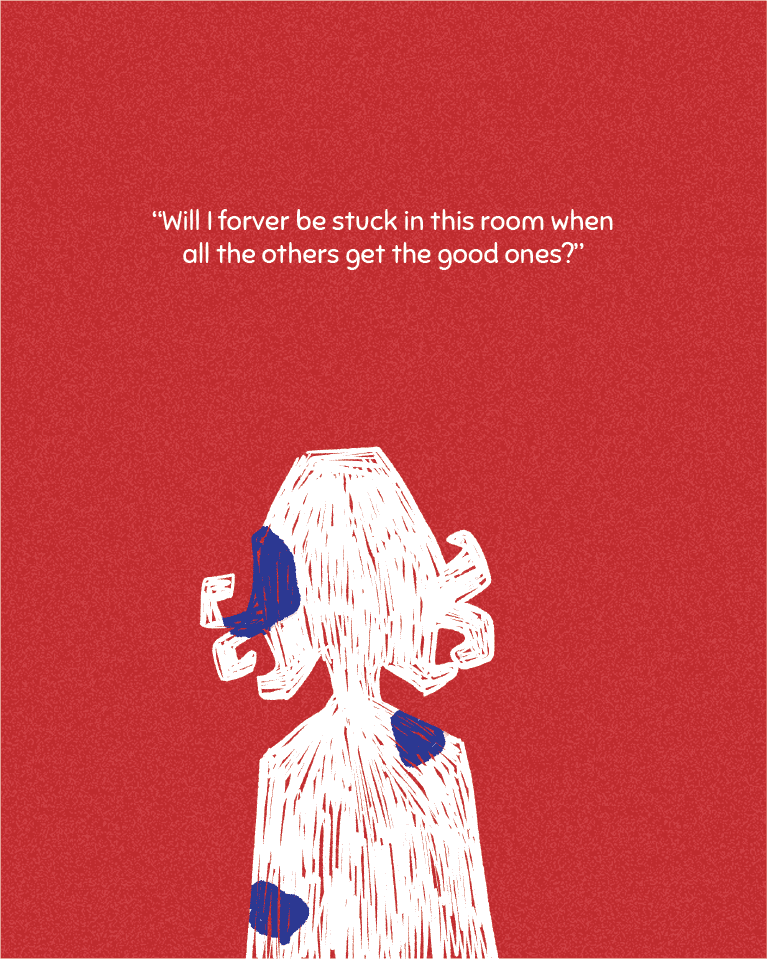
No room for me?
Social comparison
Imposter syndrome, perceived social exclusion, self-discrepancy
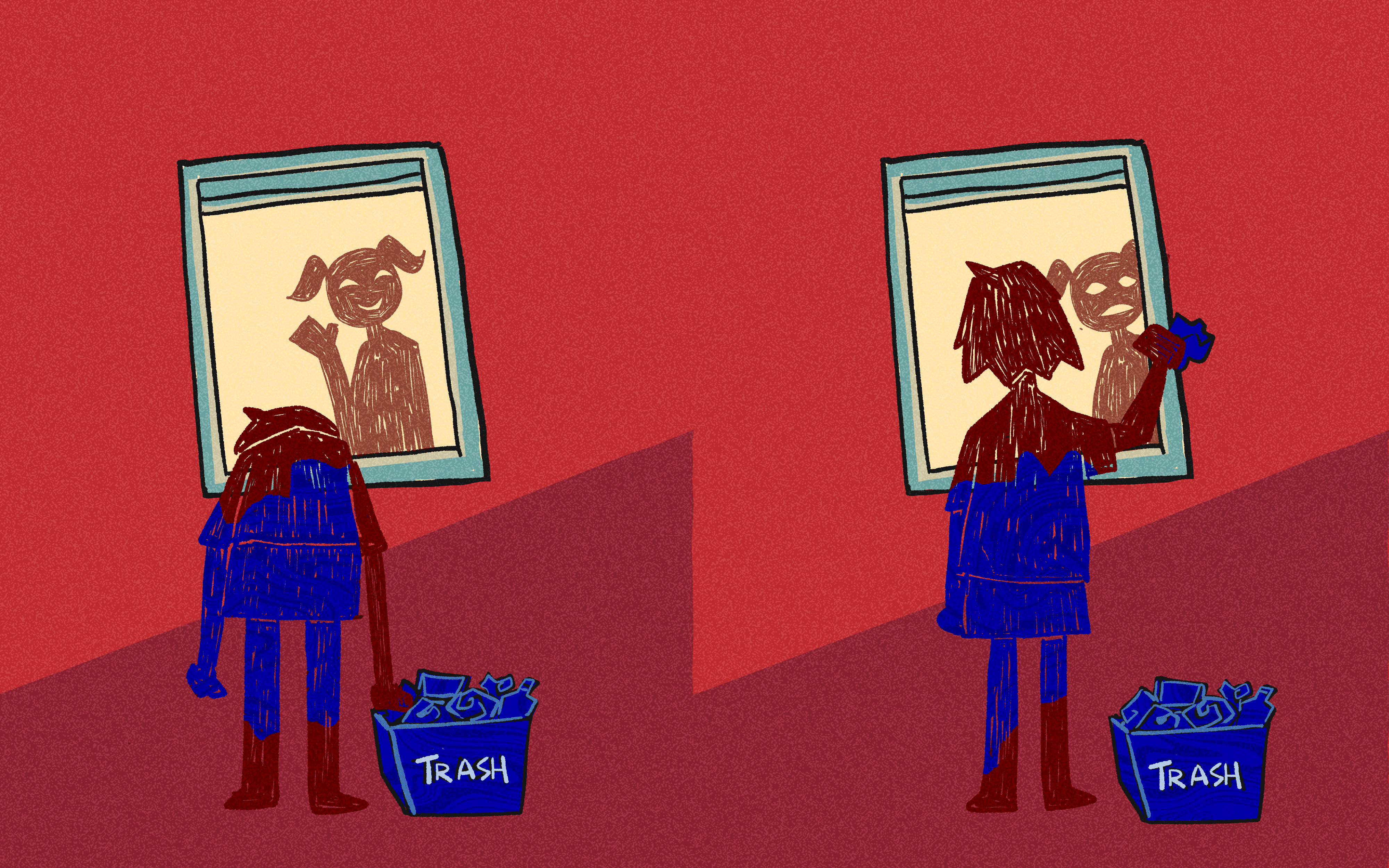
Performative personality
Only showing a part and not the full picture, curated identity
Loss of identity
Social mimicry, anxiety, abandoning the original self
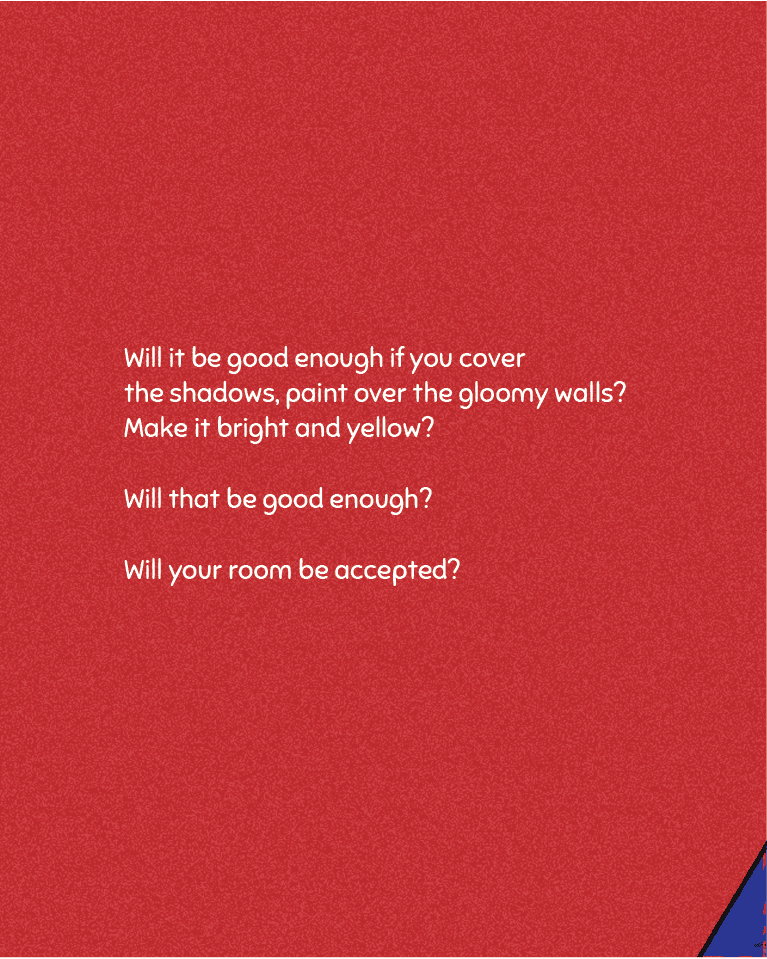
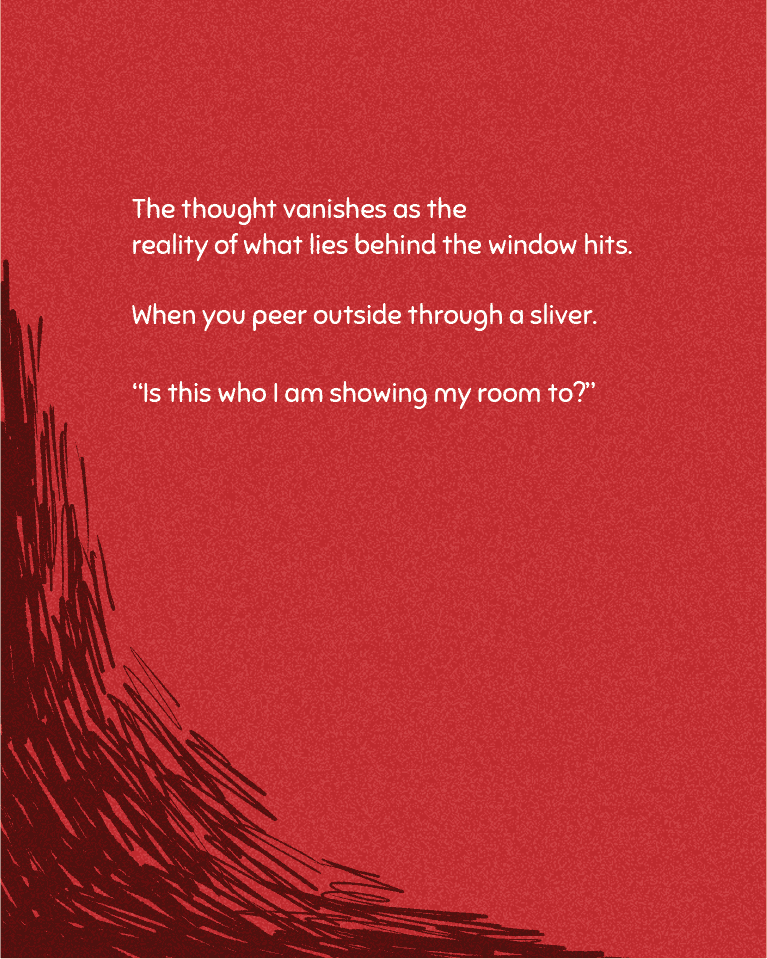
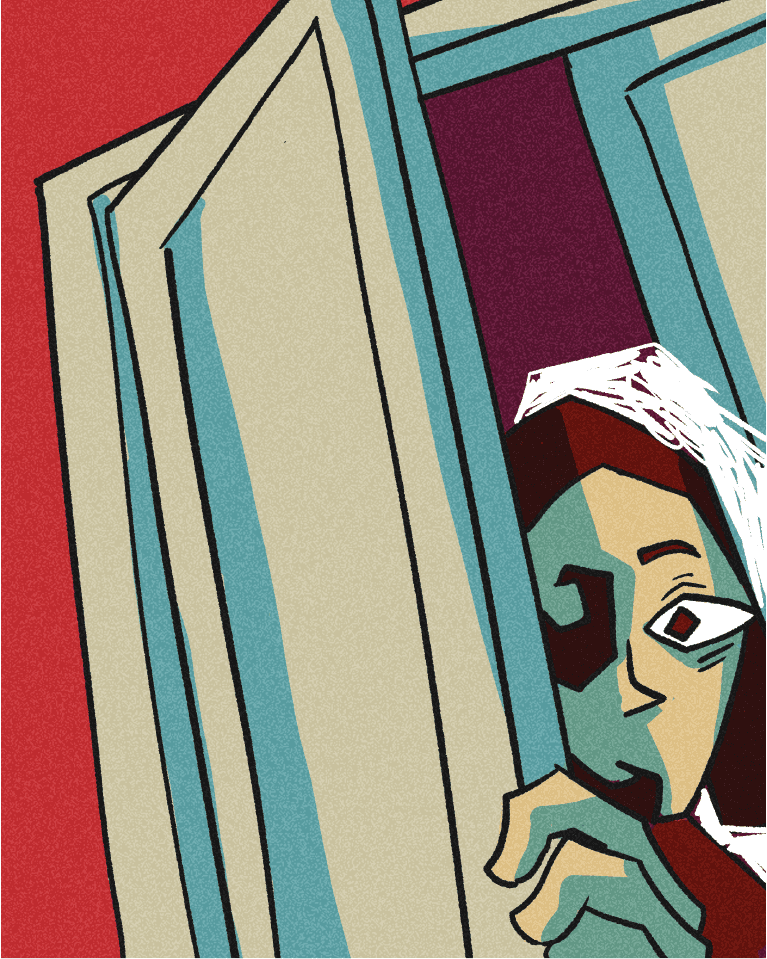
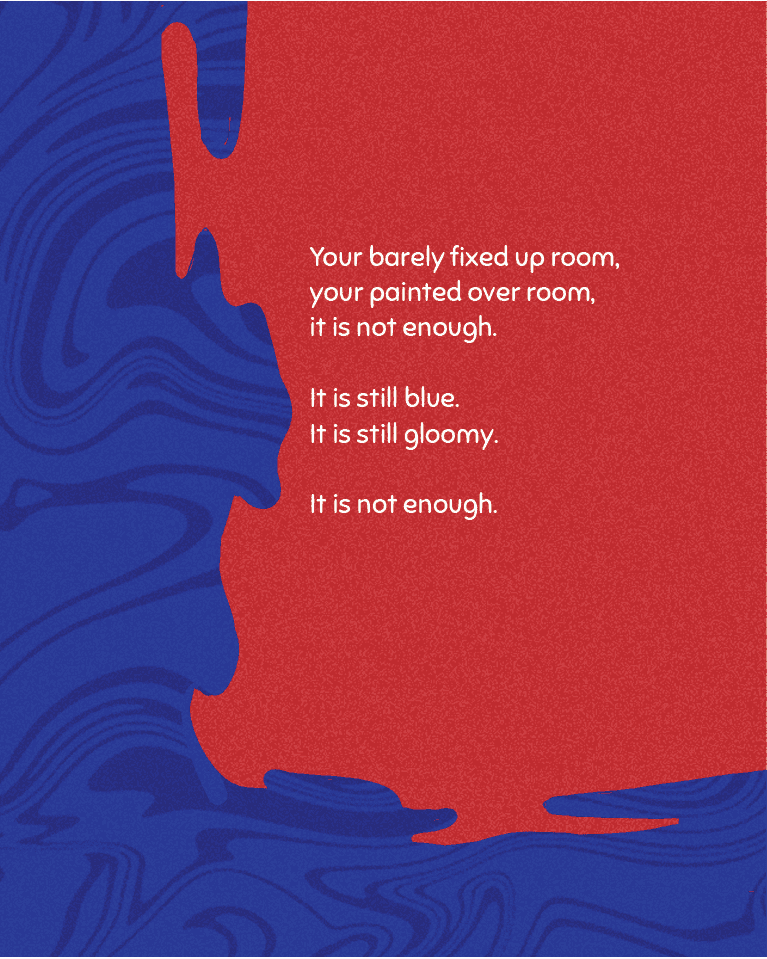
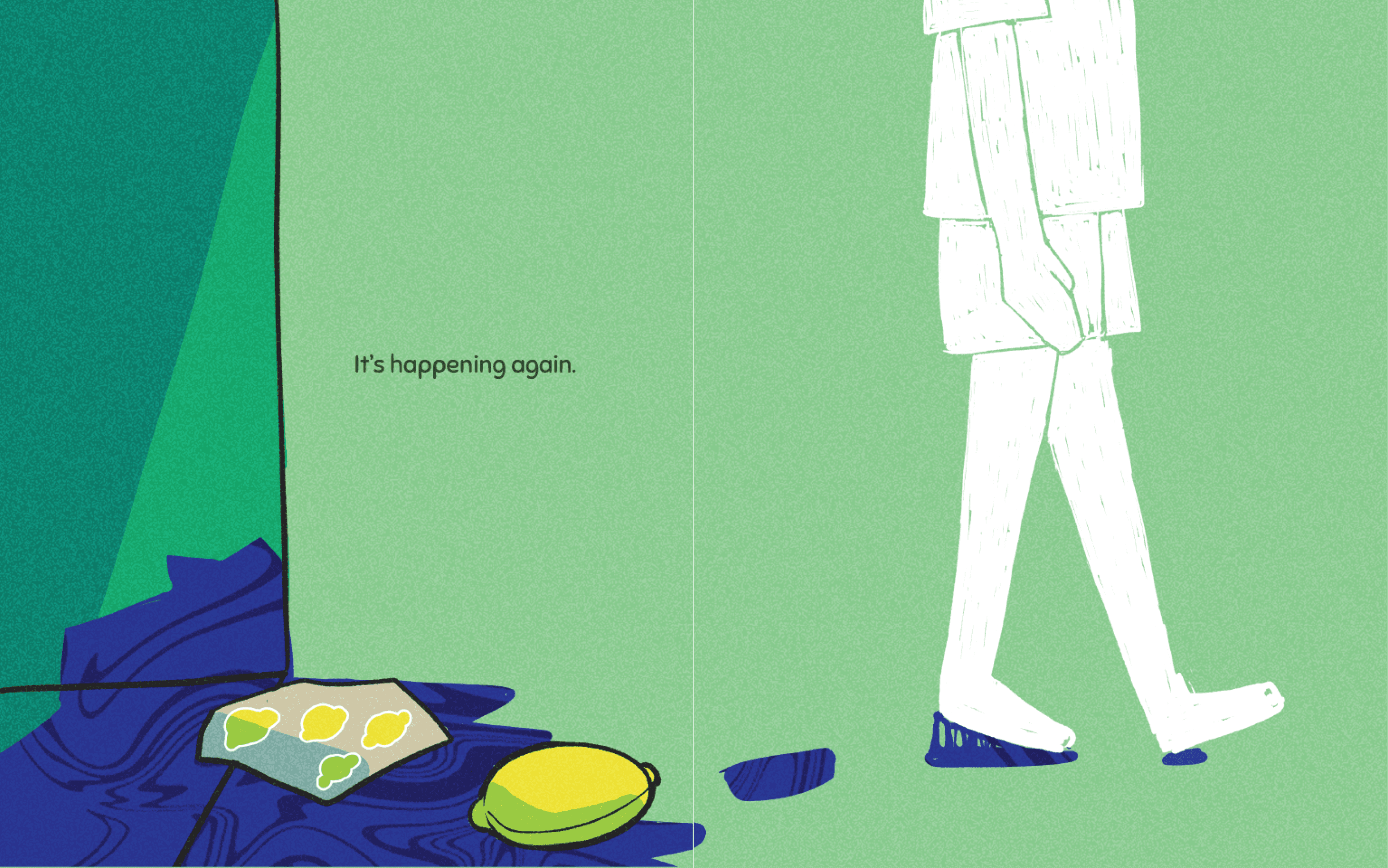
The Red Floor: Social Surveillance & Performance Anxiety


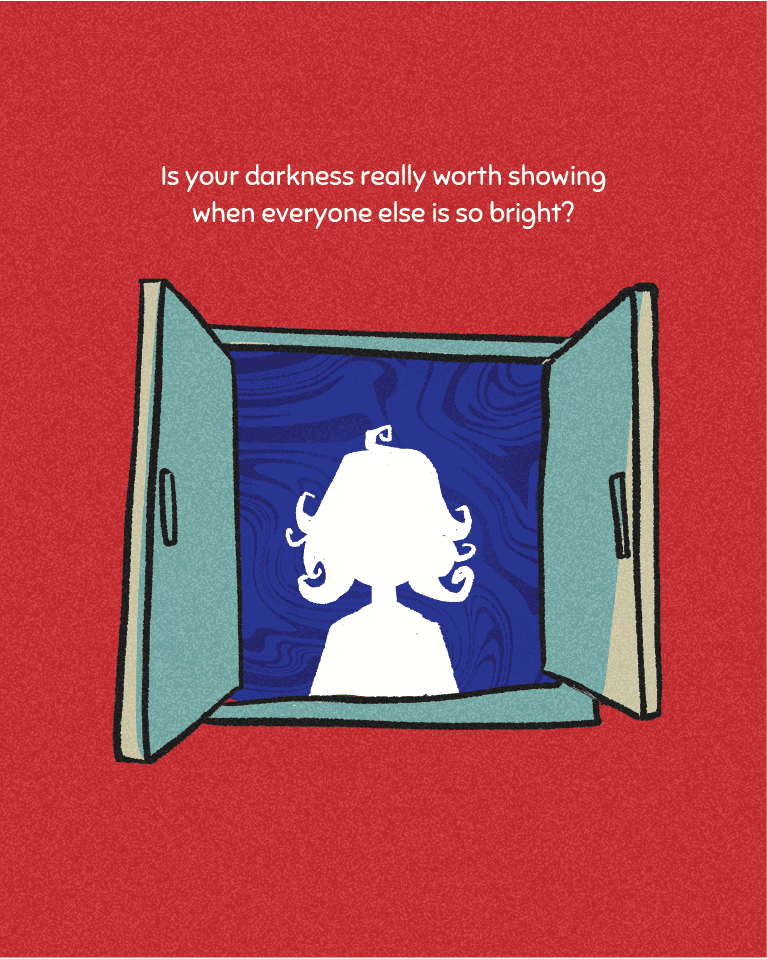
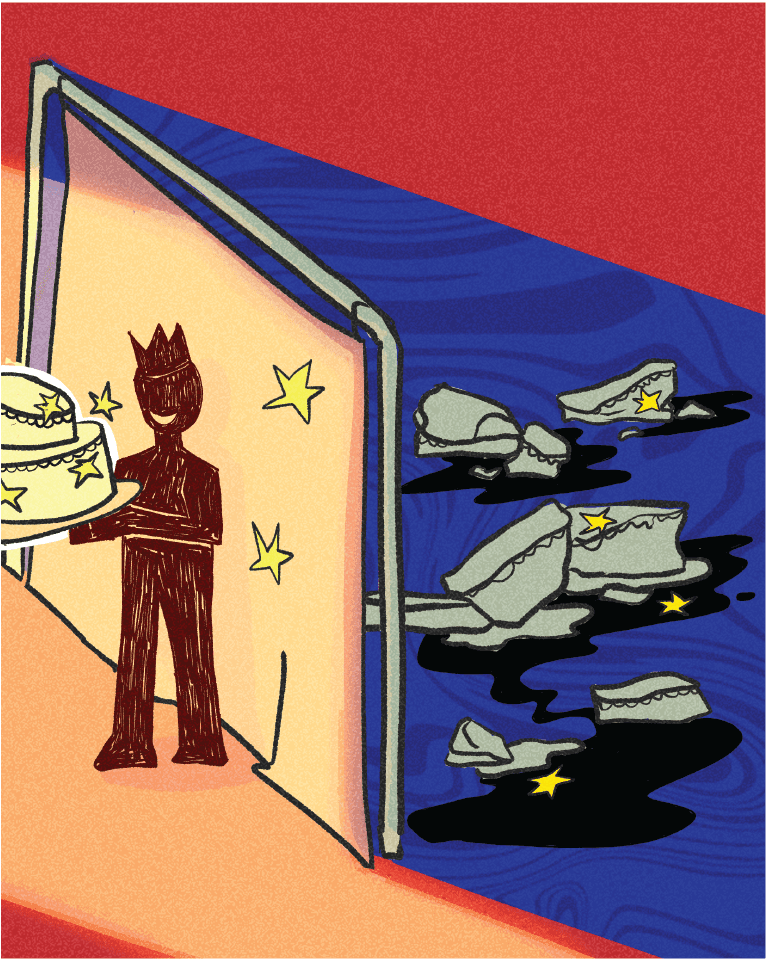
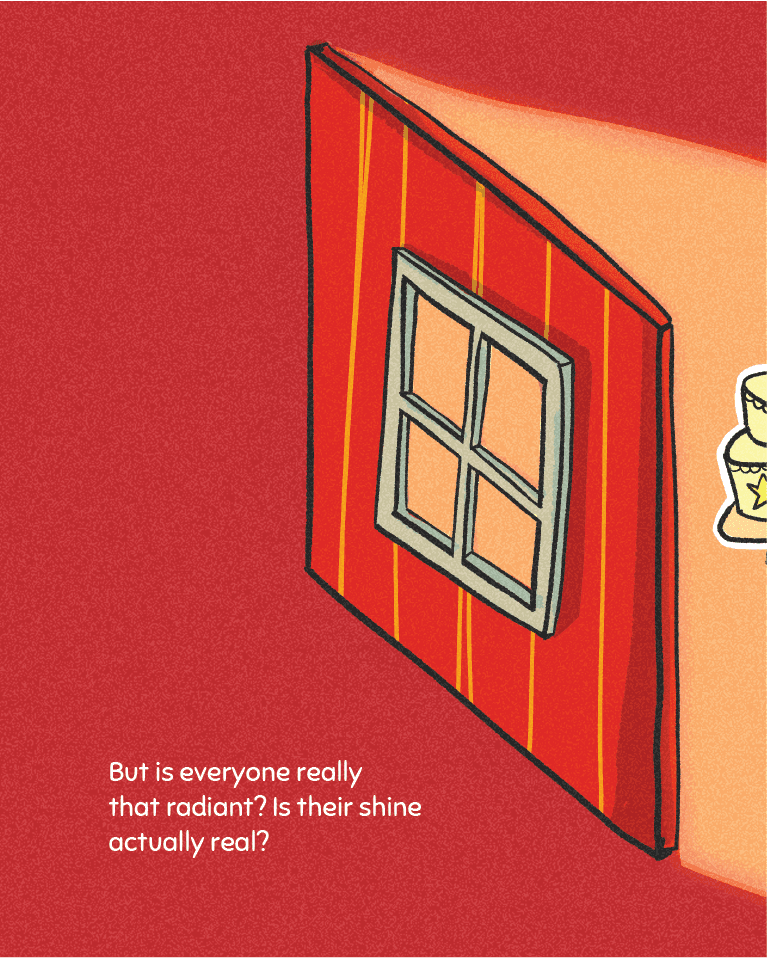
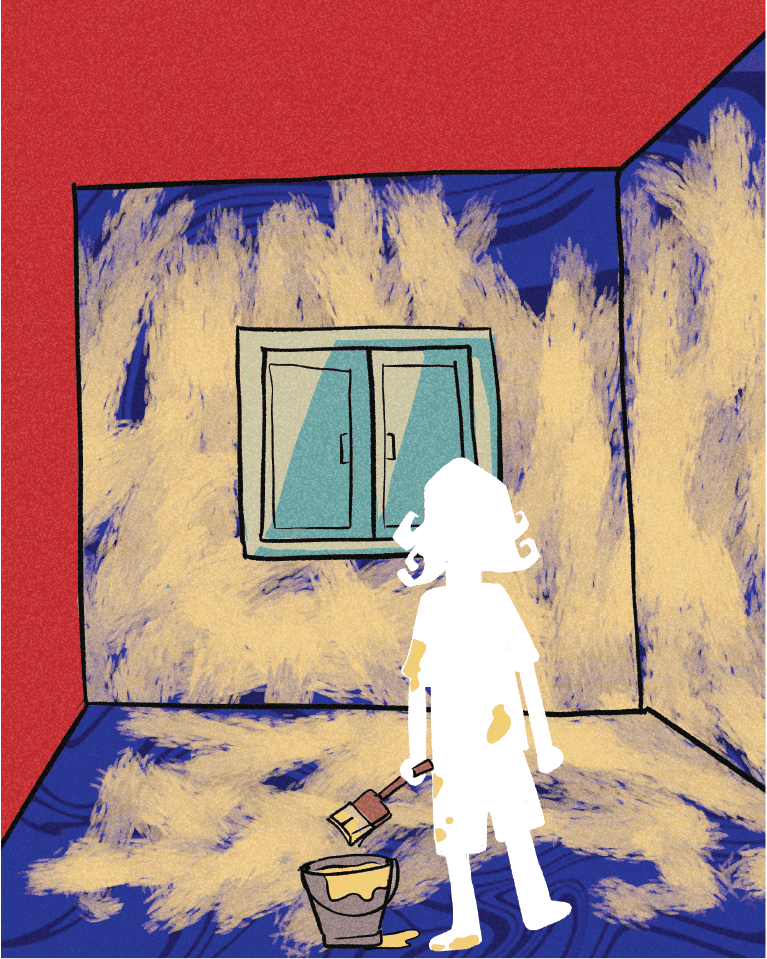
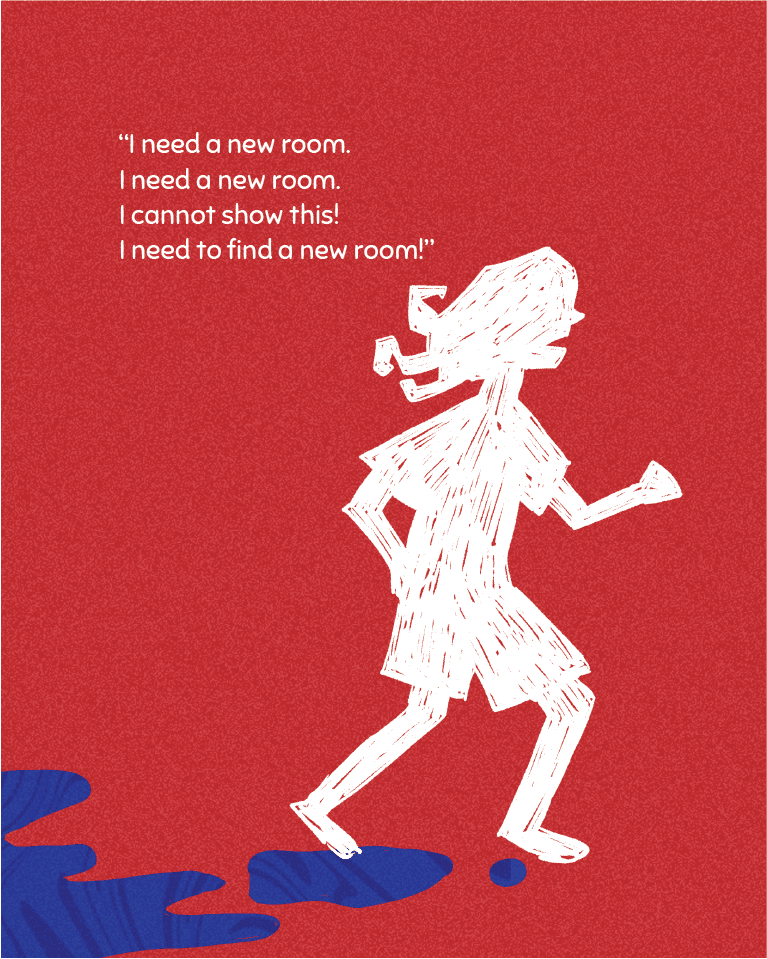
Book 2
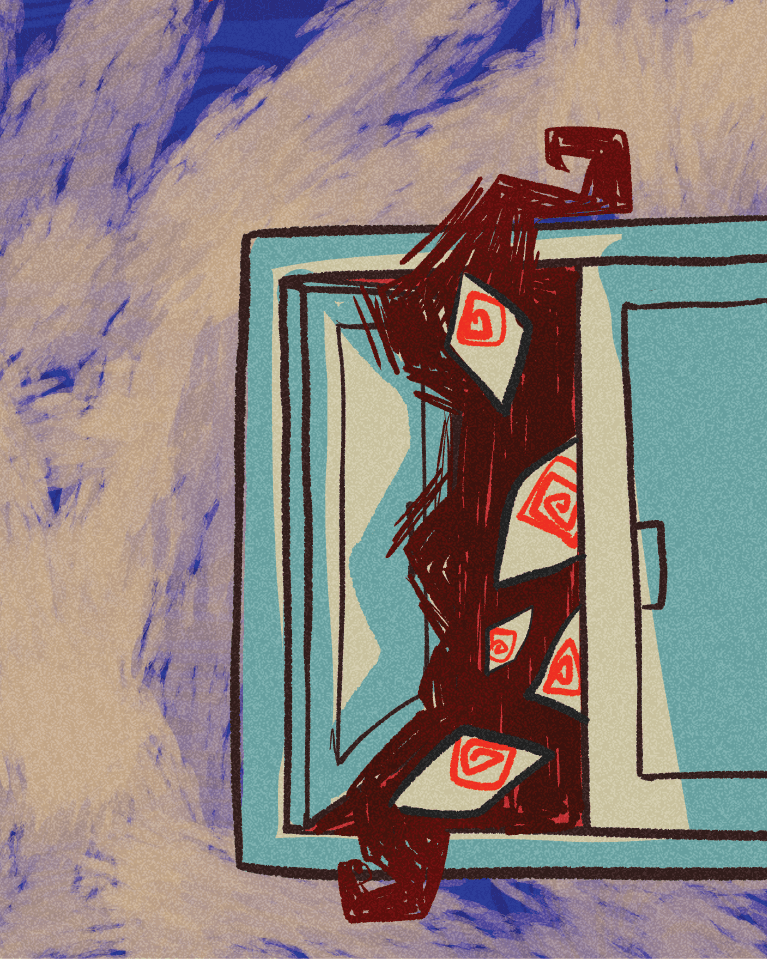
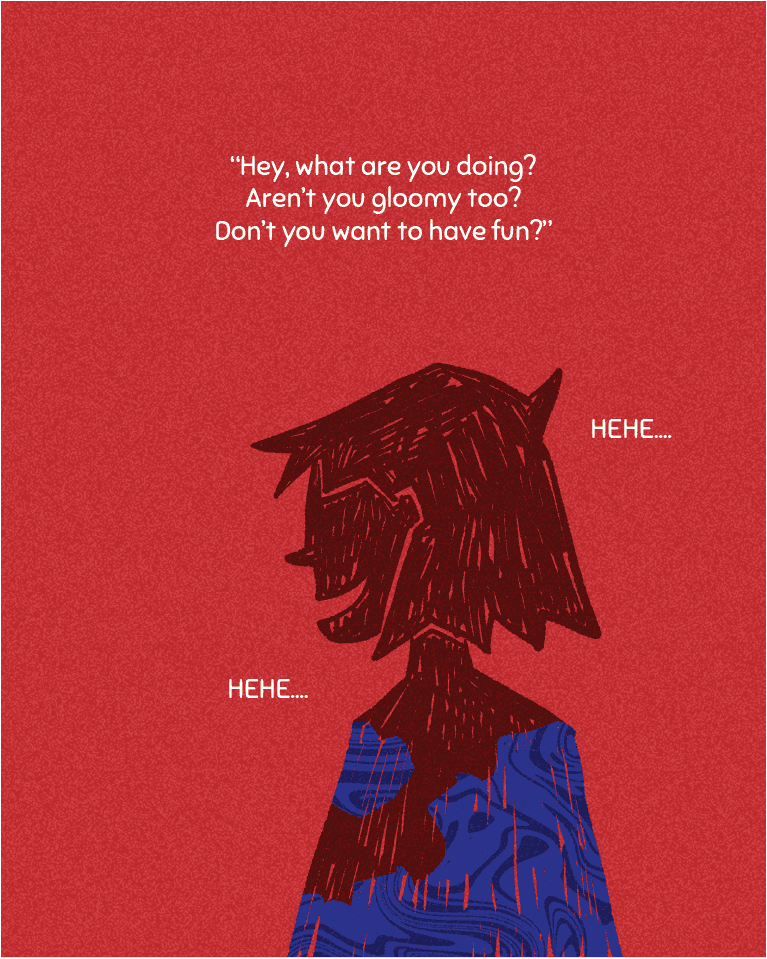
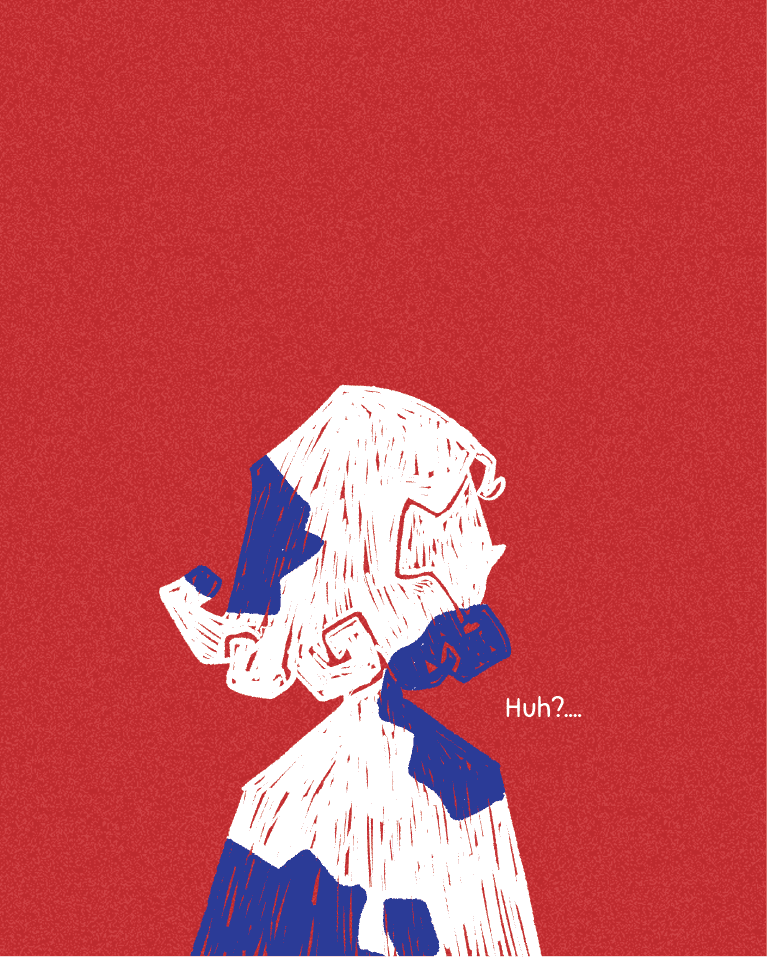
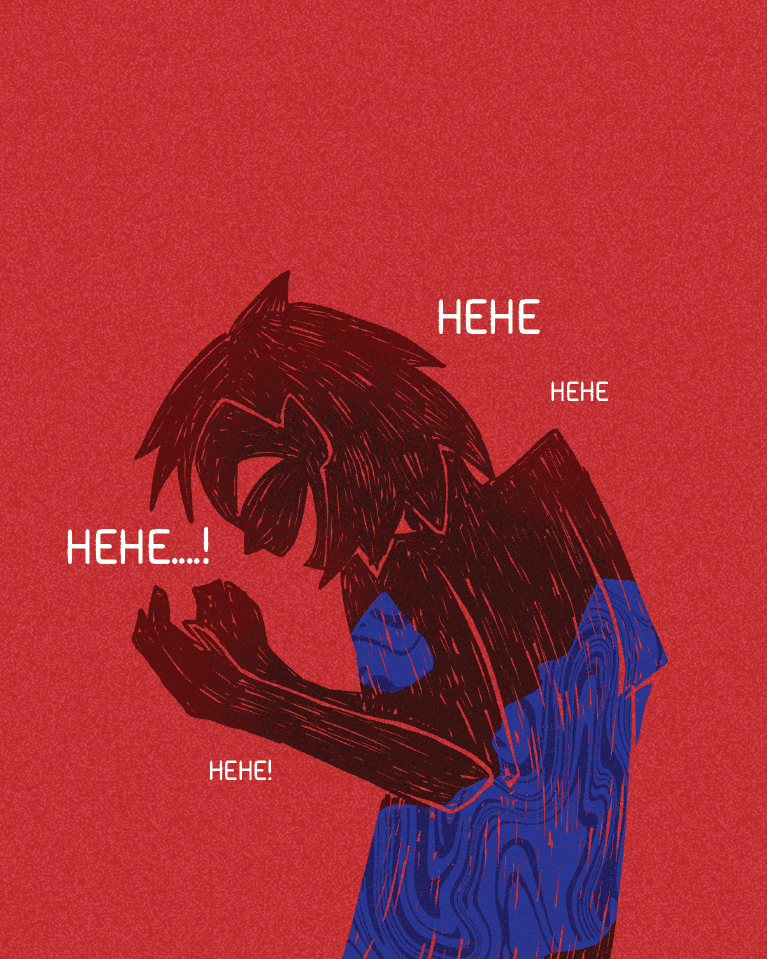
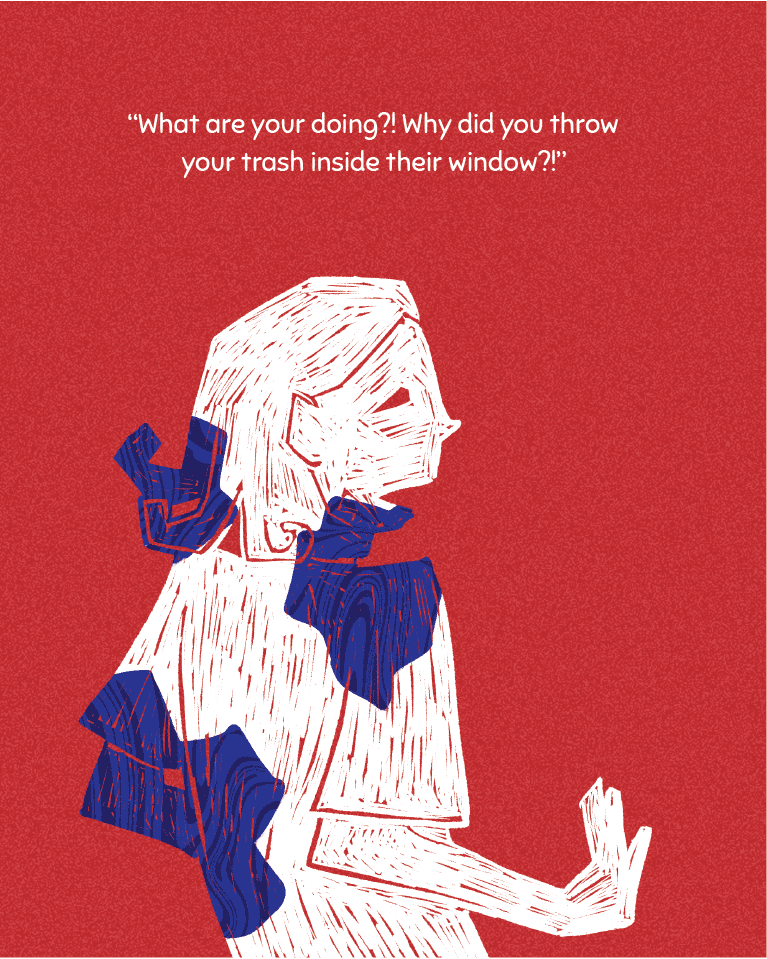
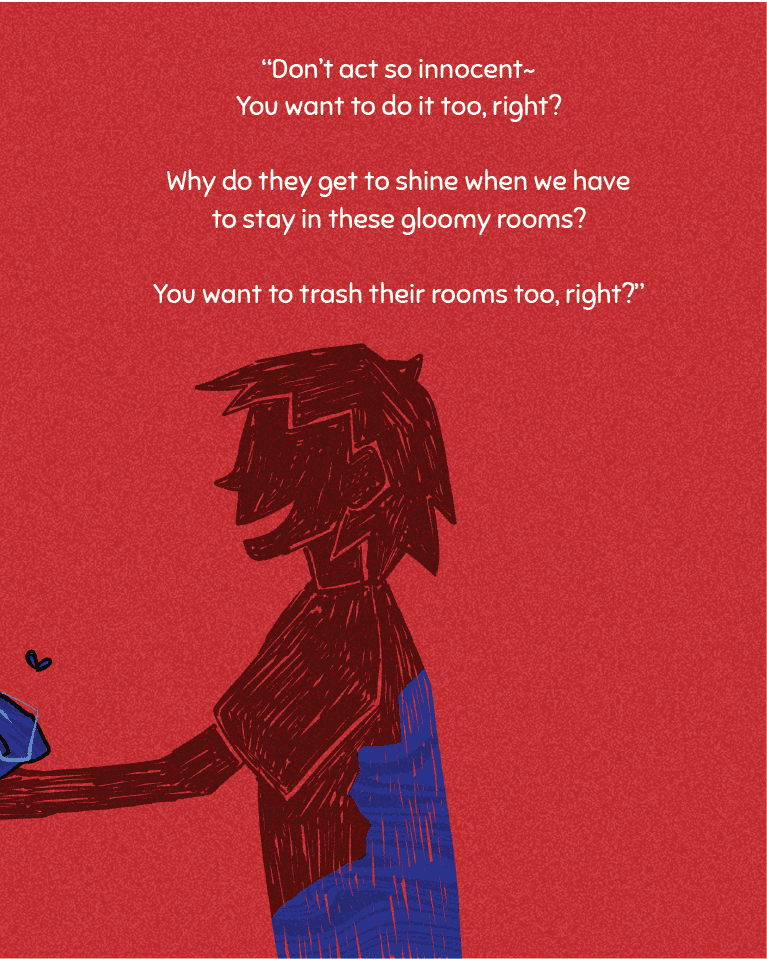
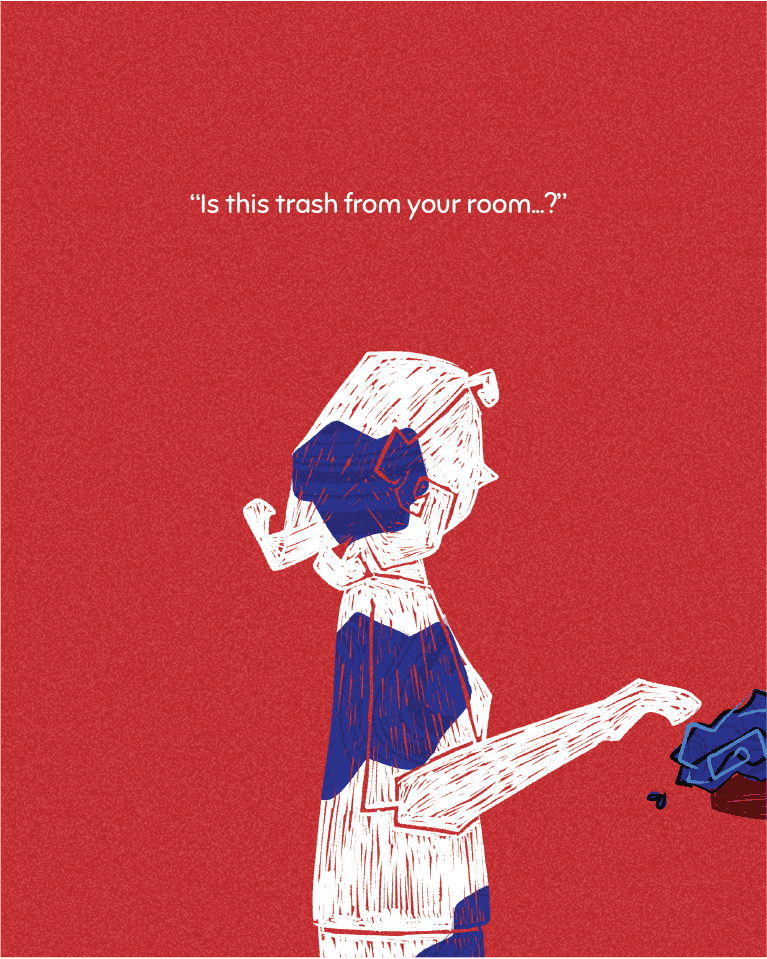
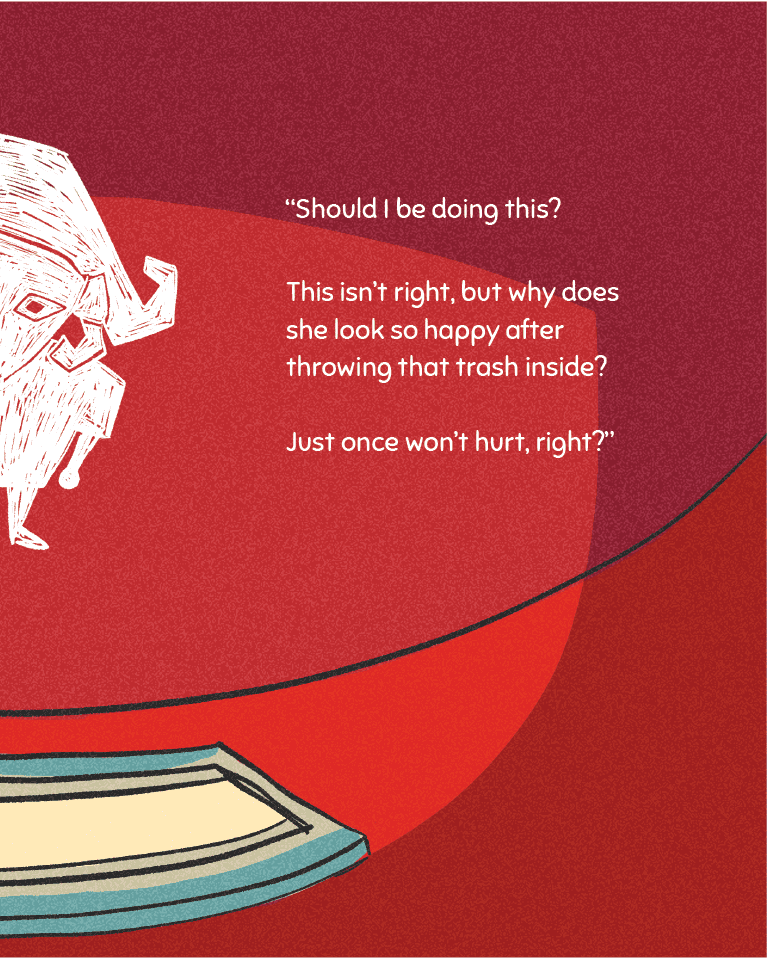
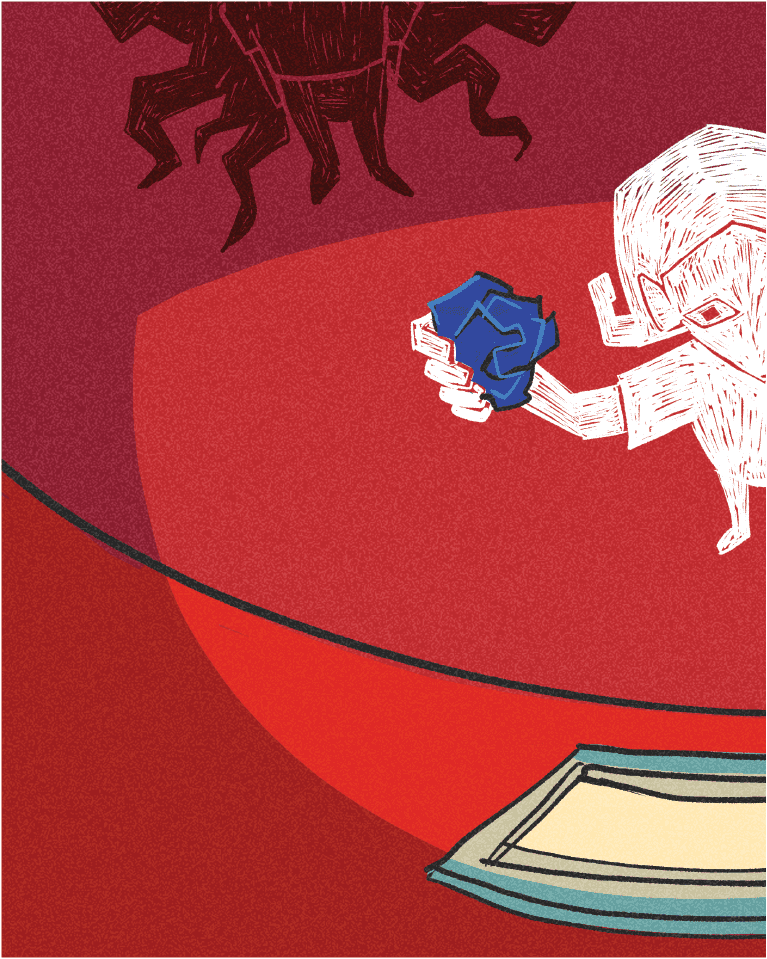
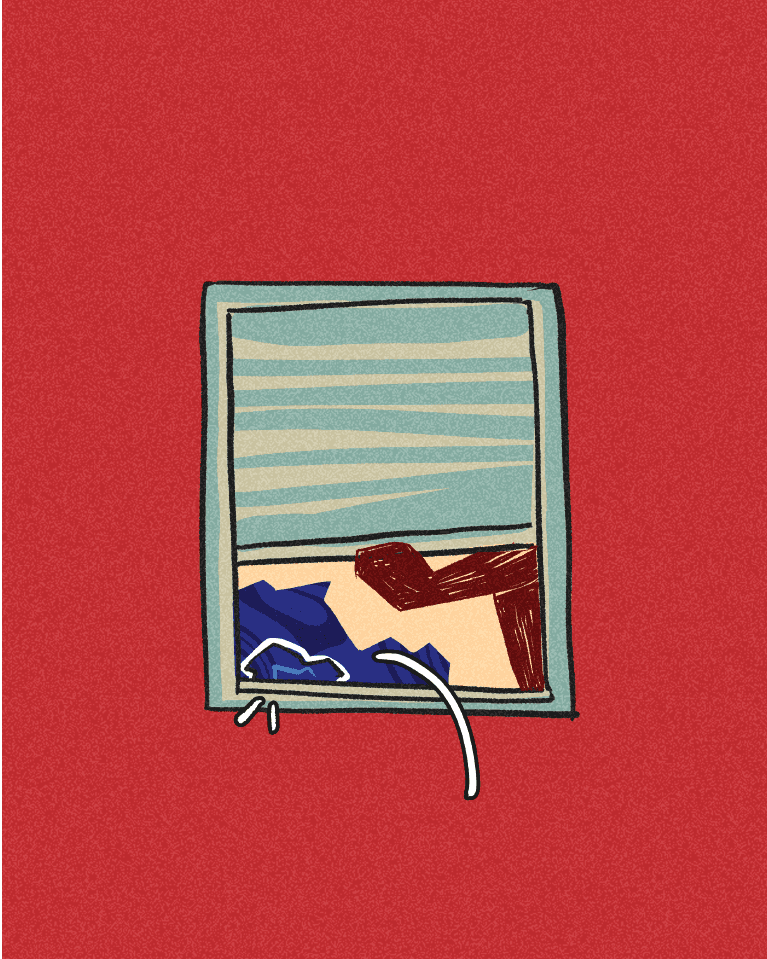
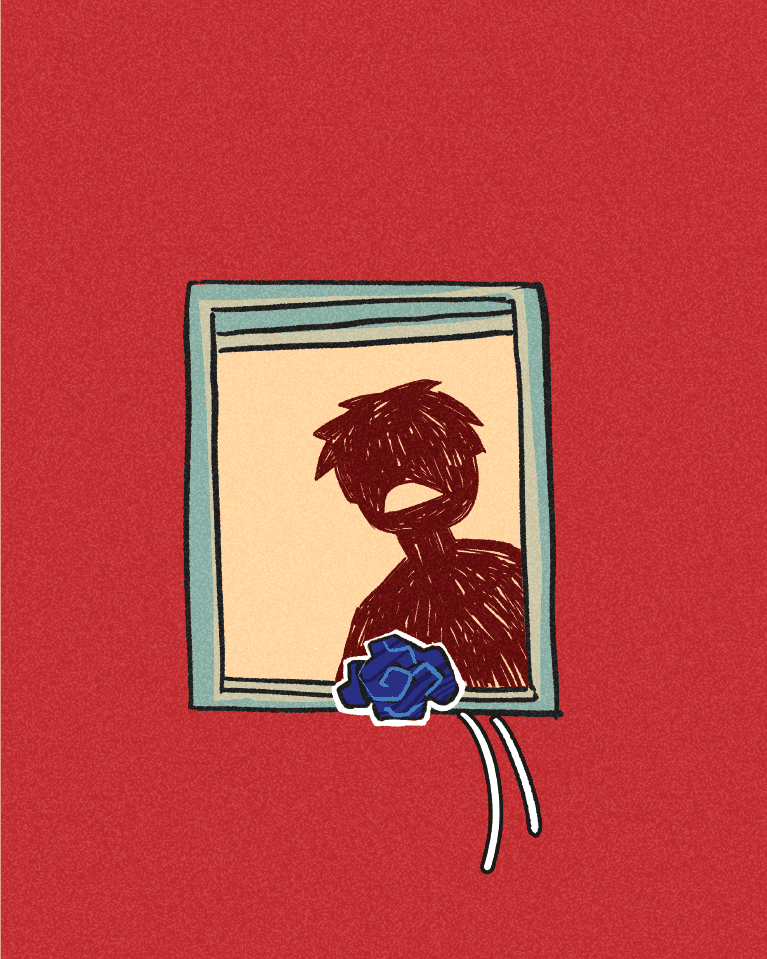
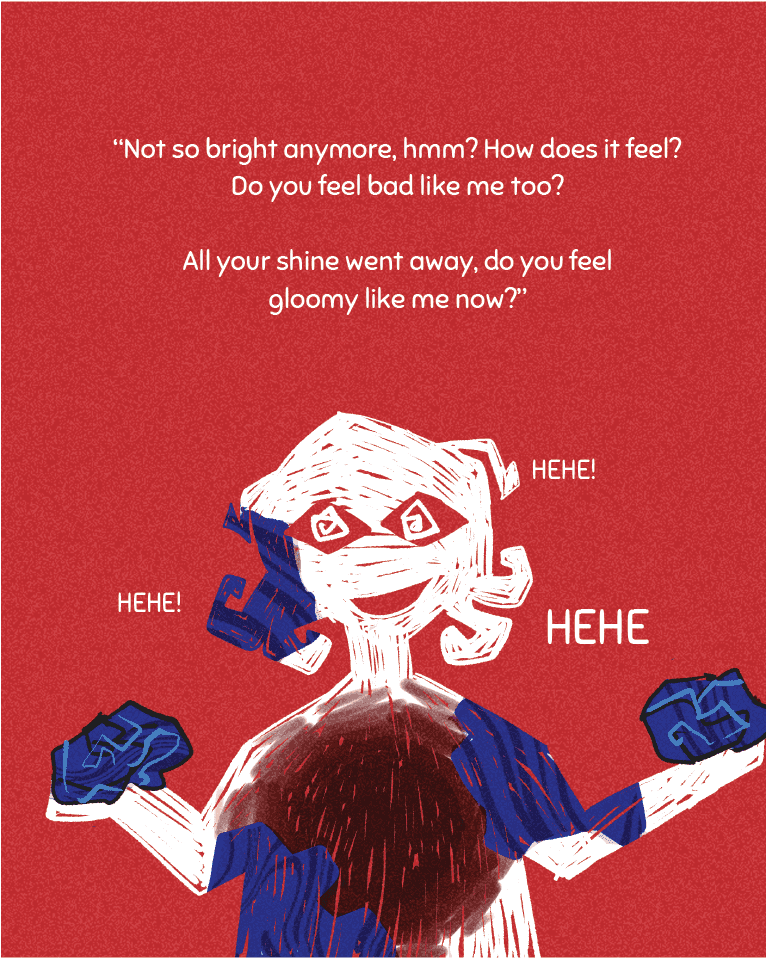
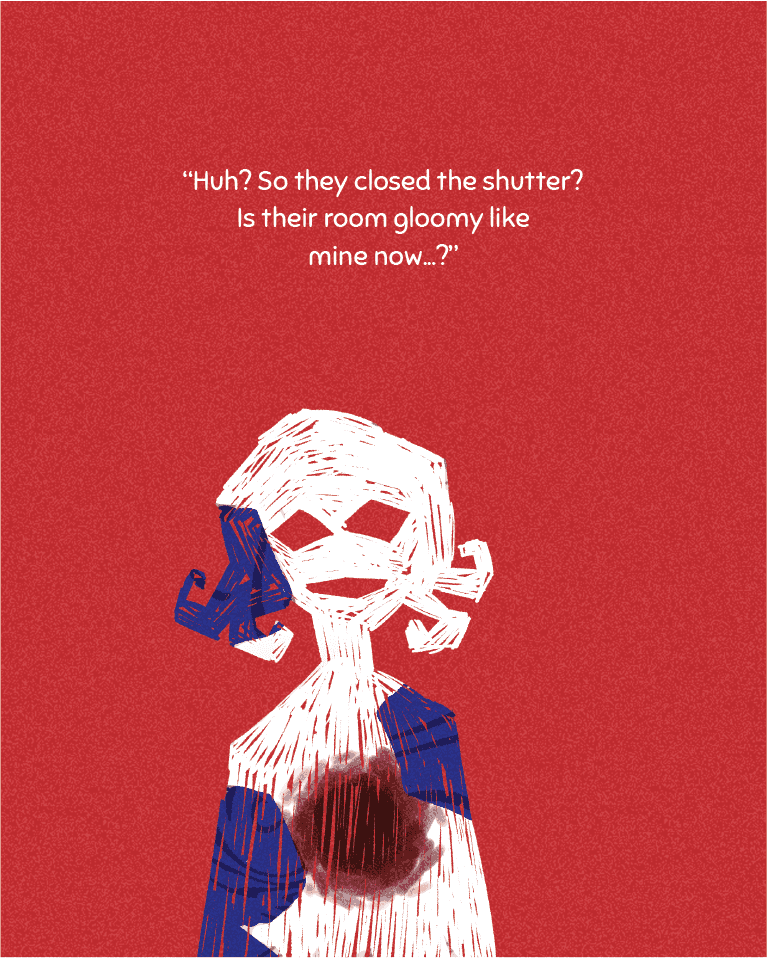
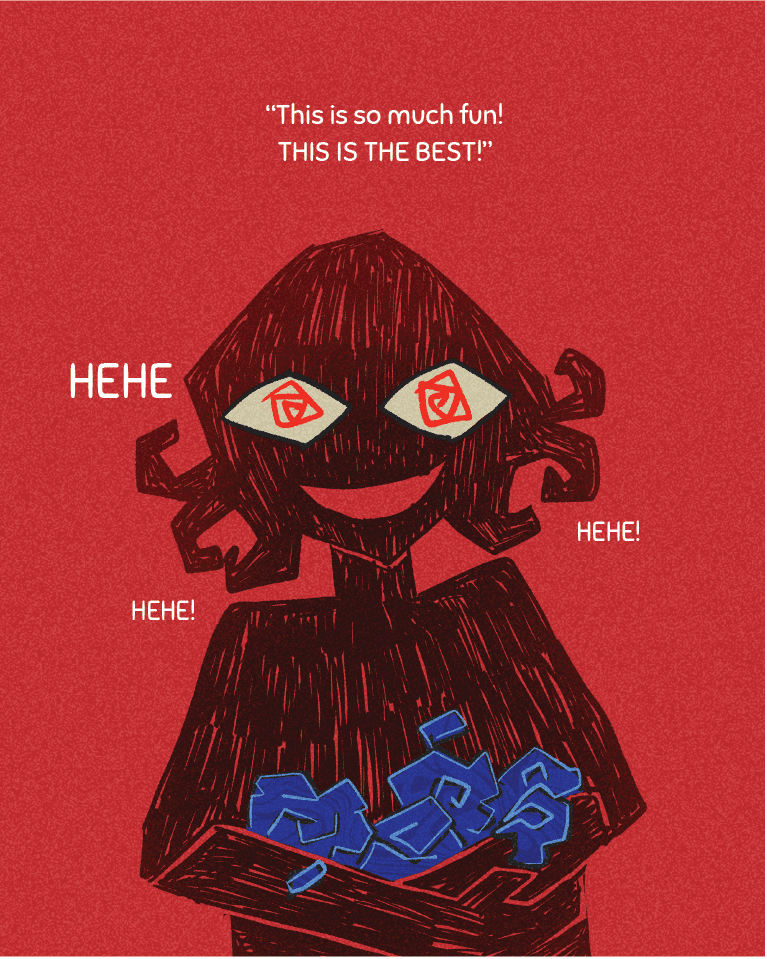
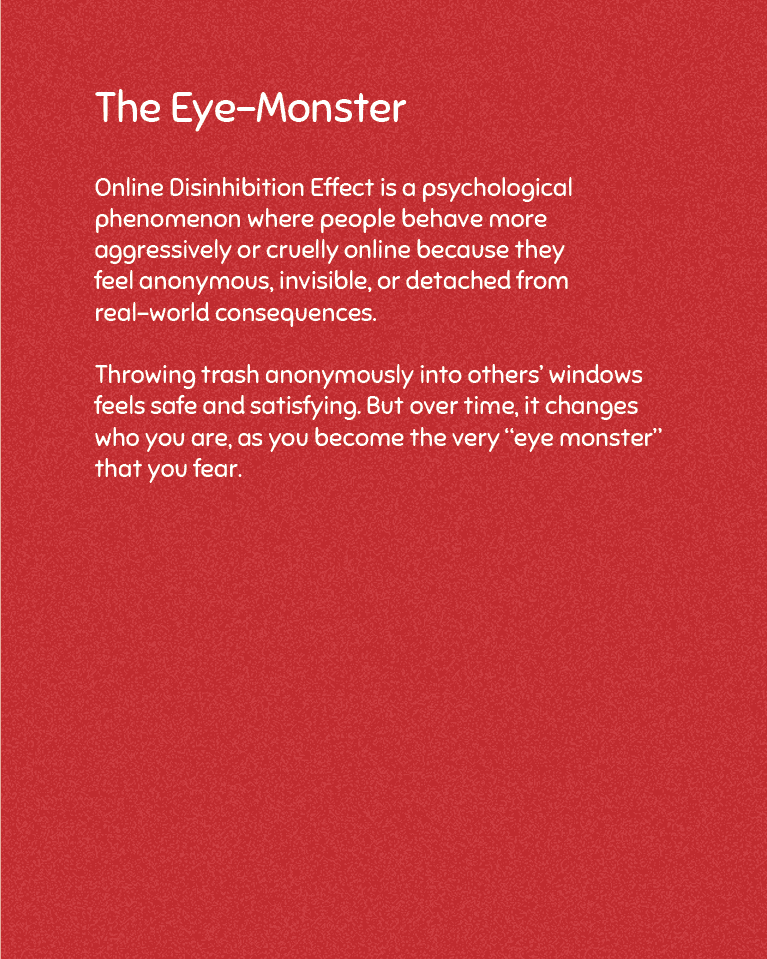
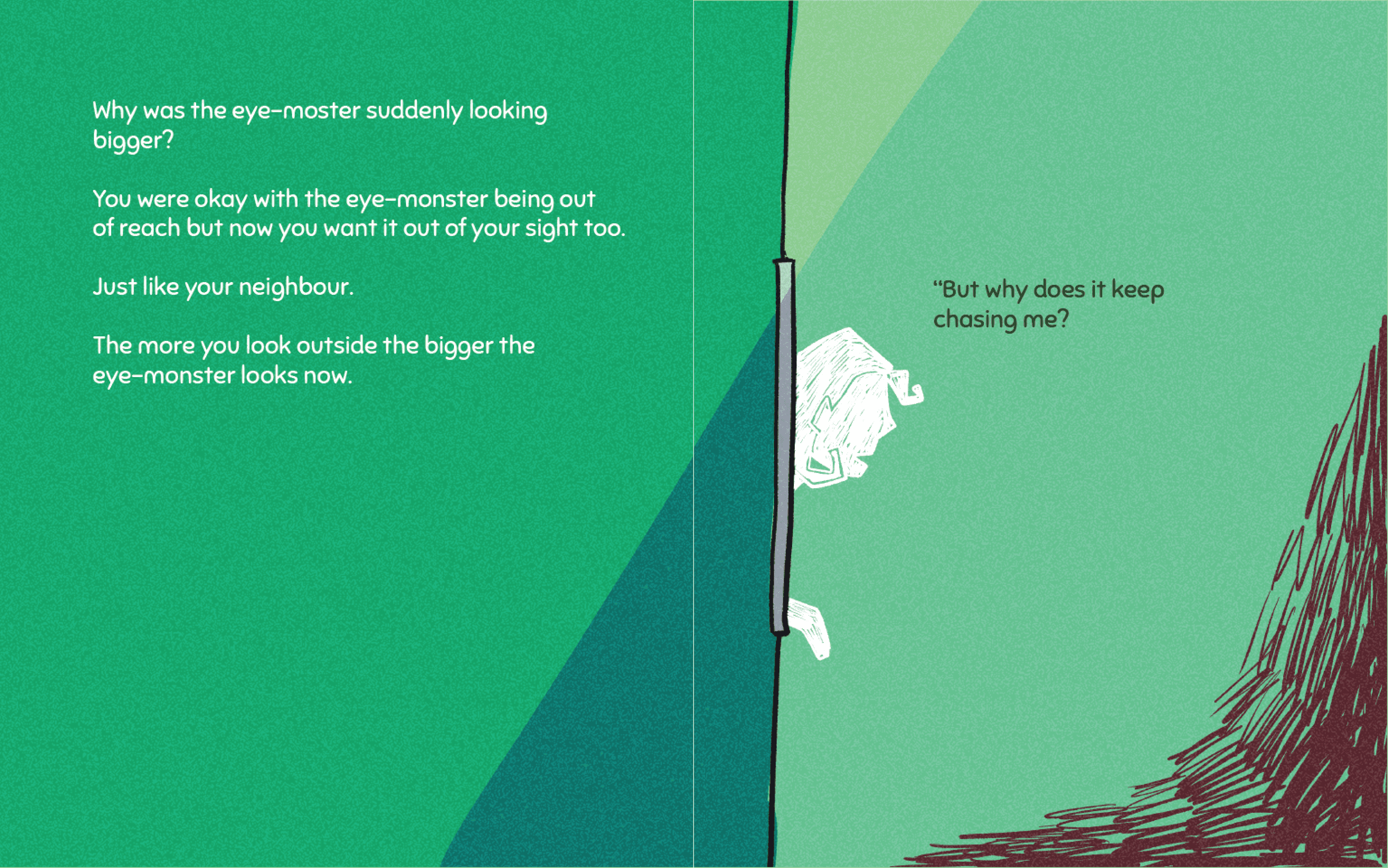
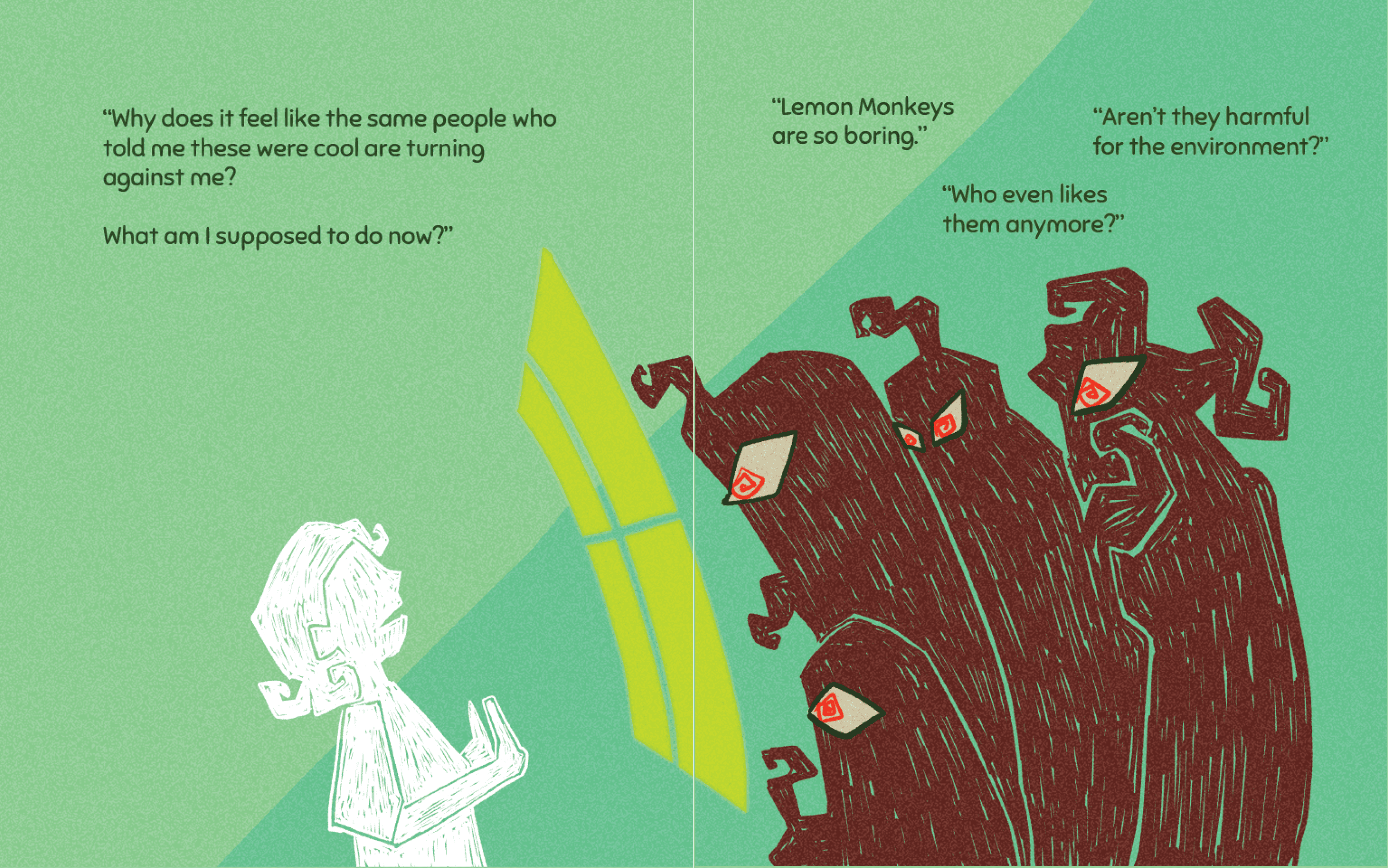
The Eye-Monster
Werther Effect
We are most influenced by people in similar circumstances
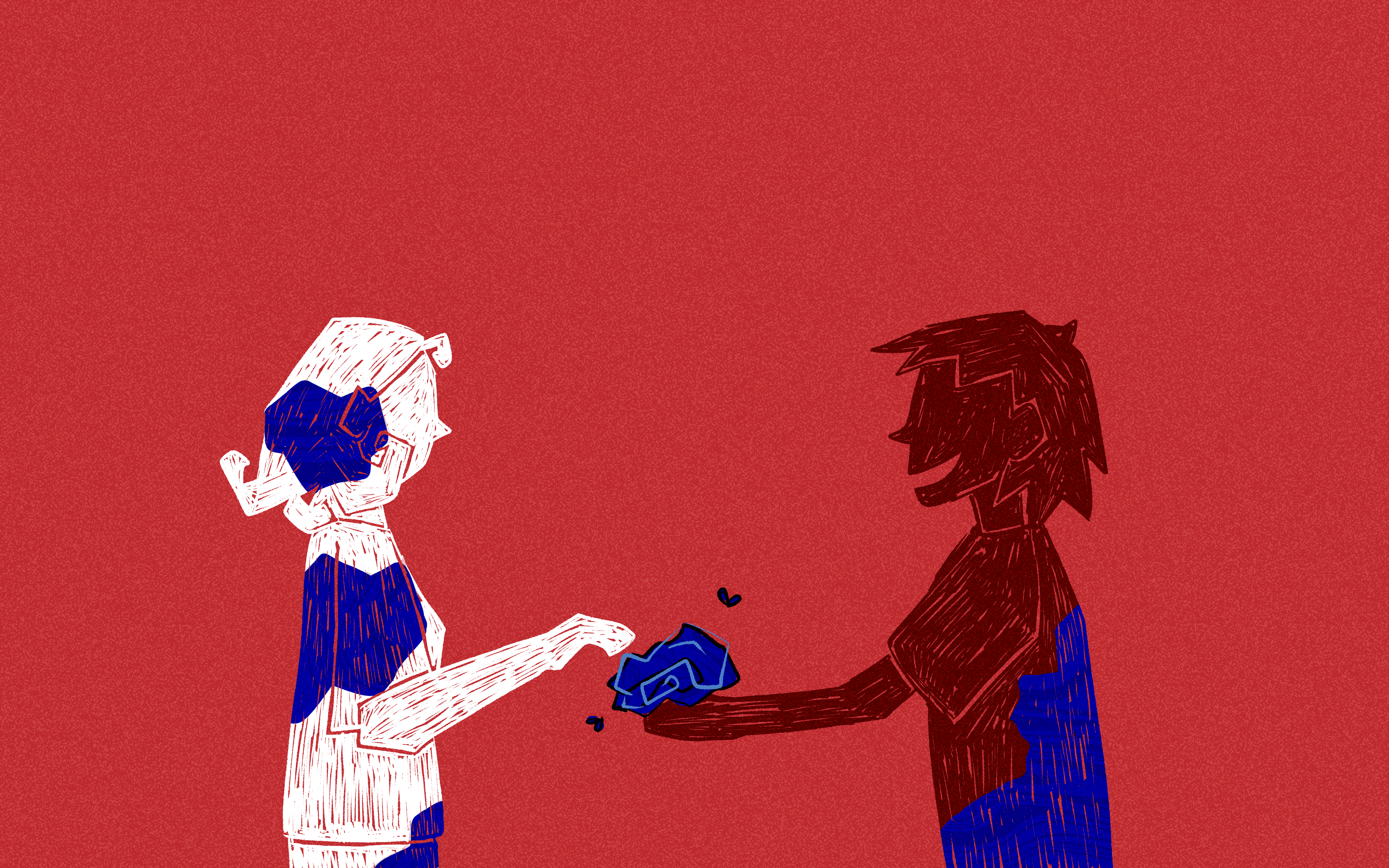
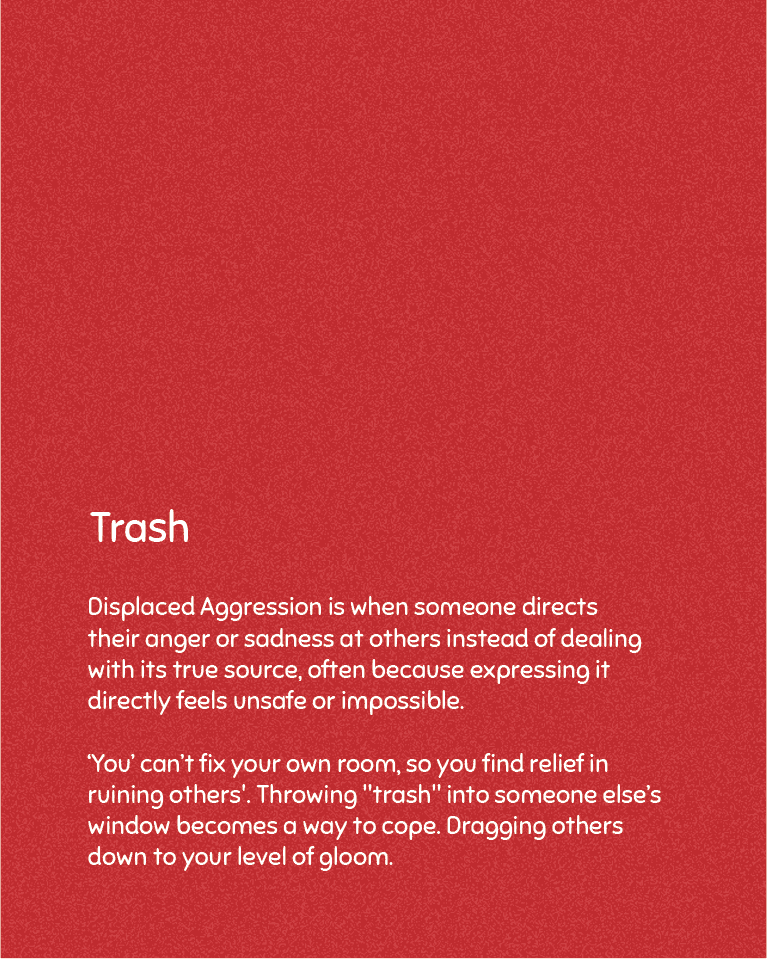
Displaced Aggression
Directing your anger or sadness instead of dealing with it
Online Disinhibition Effect
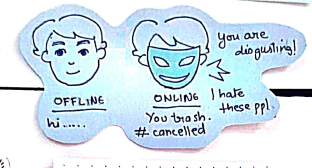
Behaving more cruelly because of online anonymity
Malicious compliance and externalized projection




Book 3
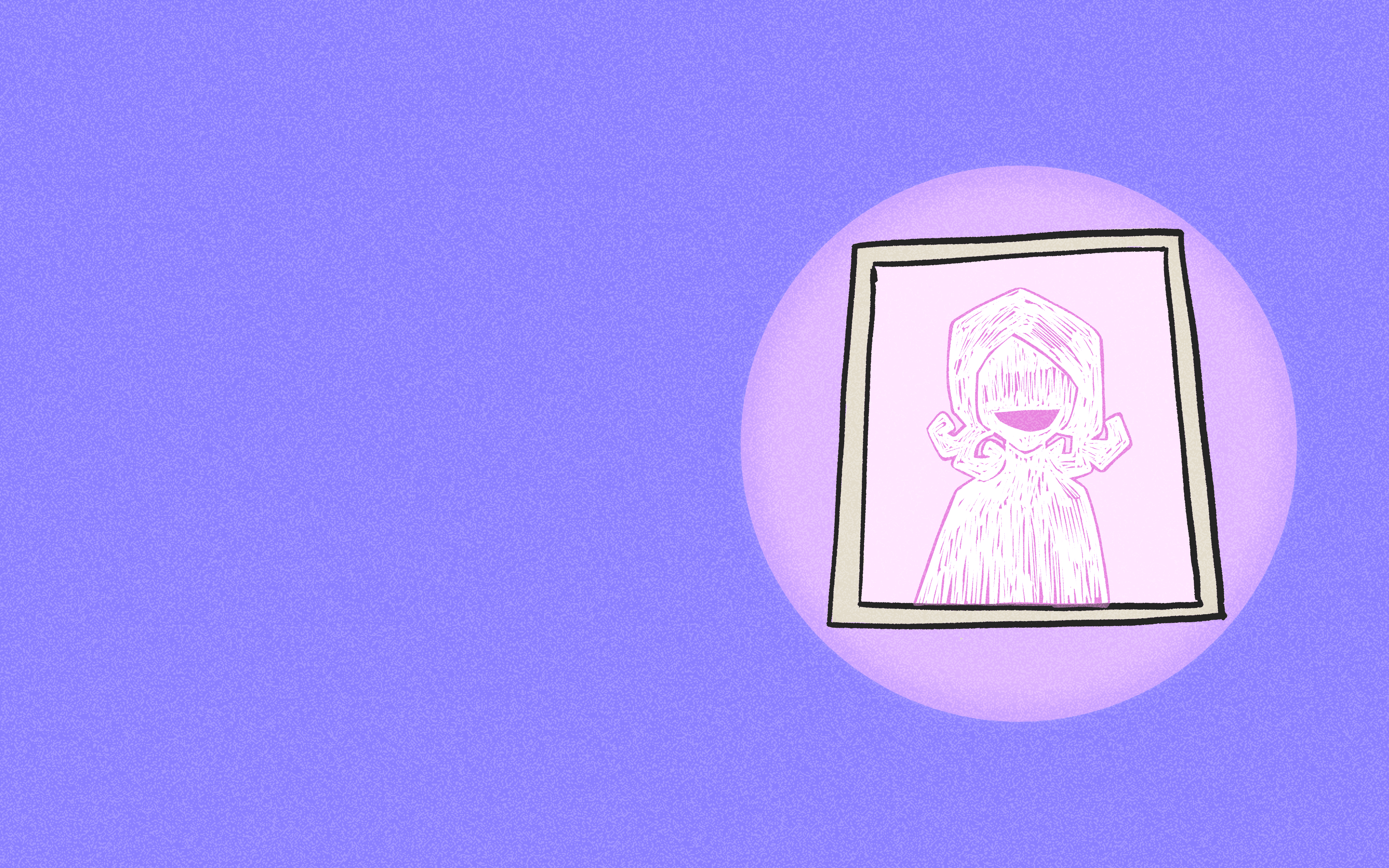
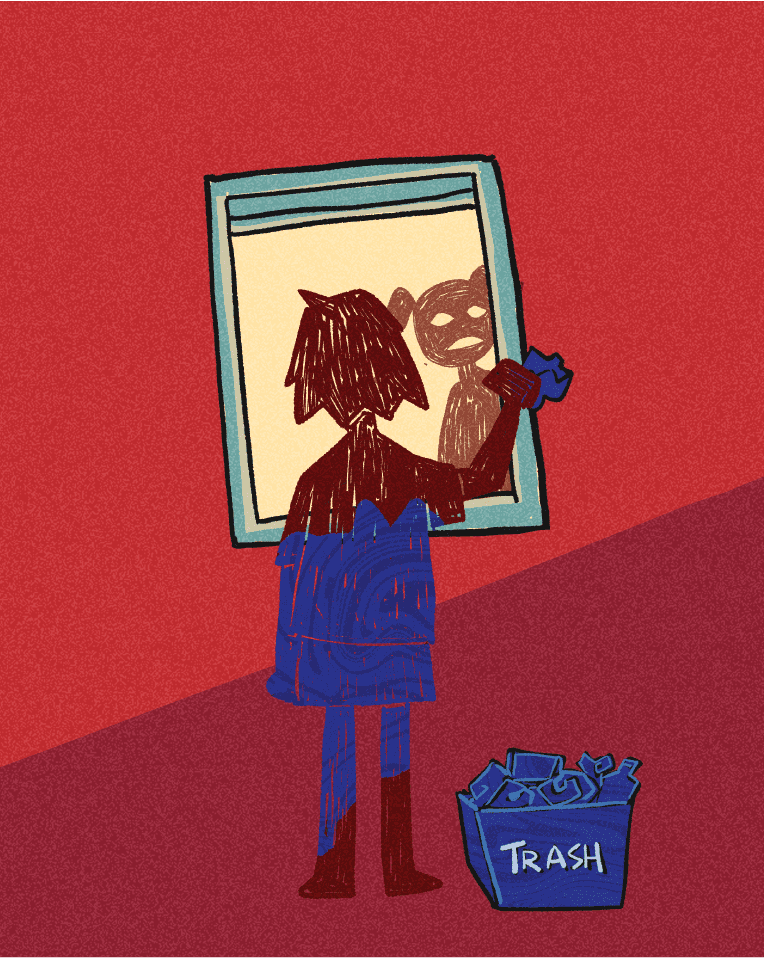
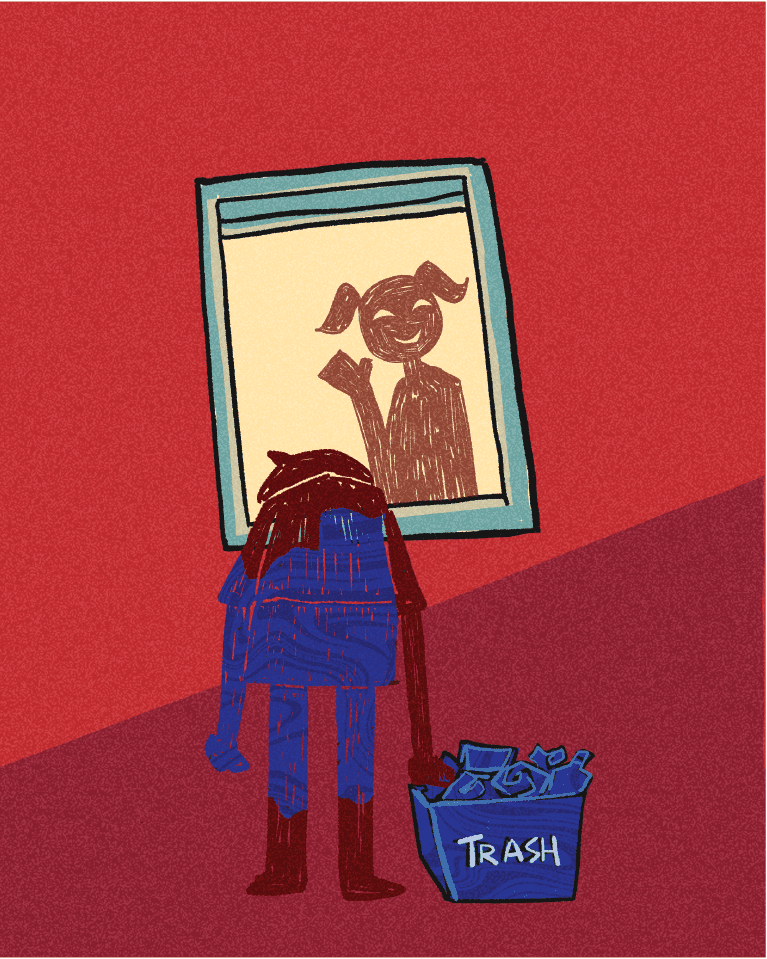
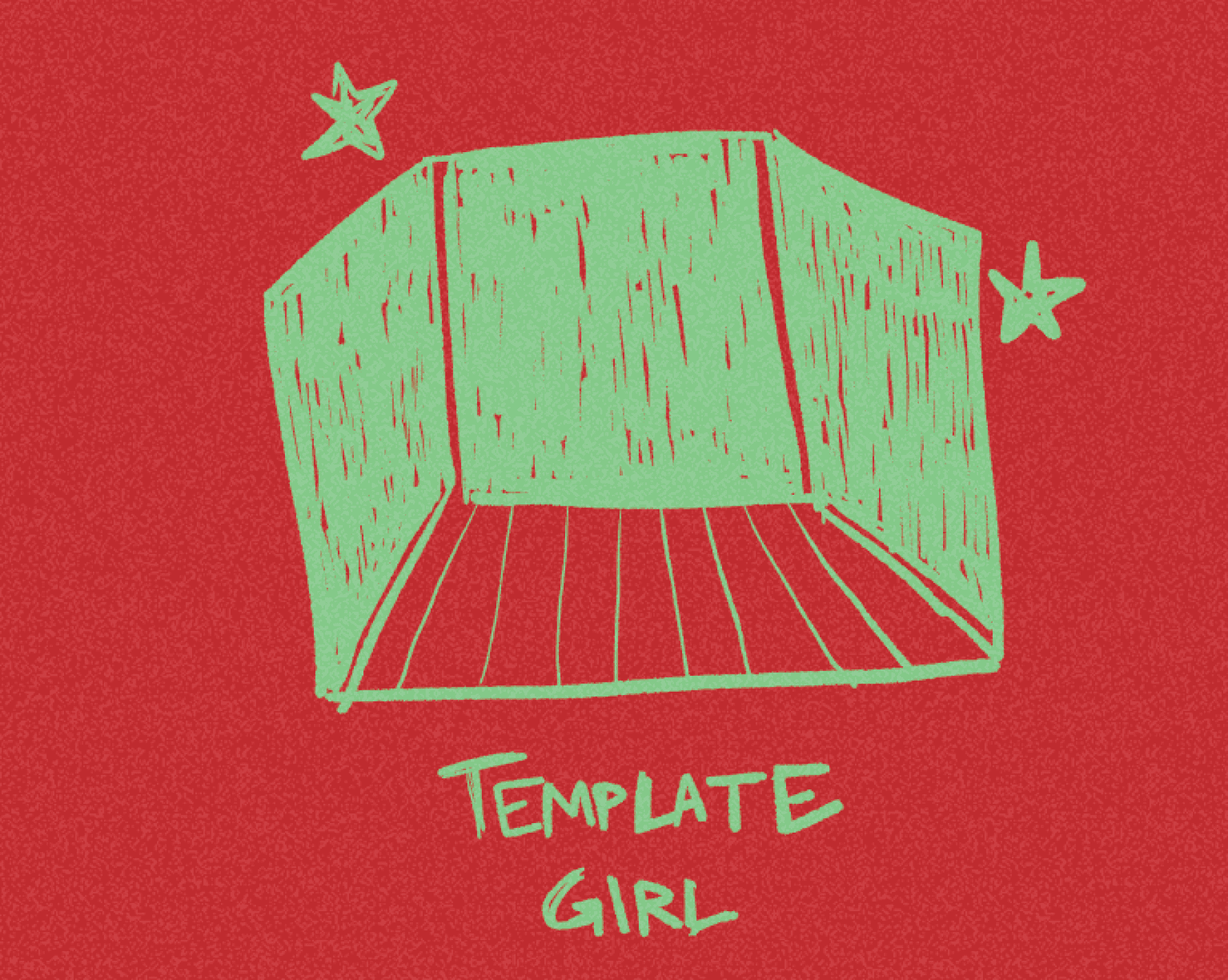
Template Girl
Algorithm pool
The internet shows you everything, what you searched for and what you didn’t
Illusion of choice
The algorithm doesn’t exactly show you what you ‘want’ to see
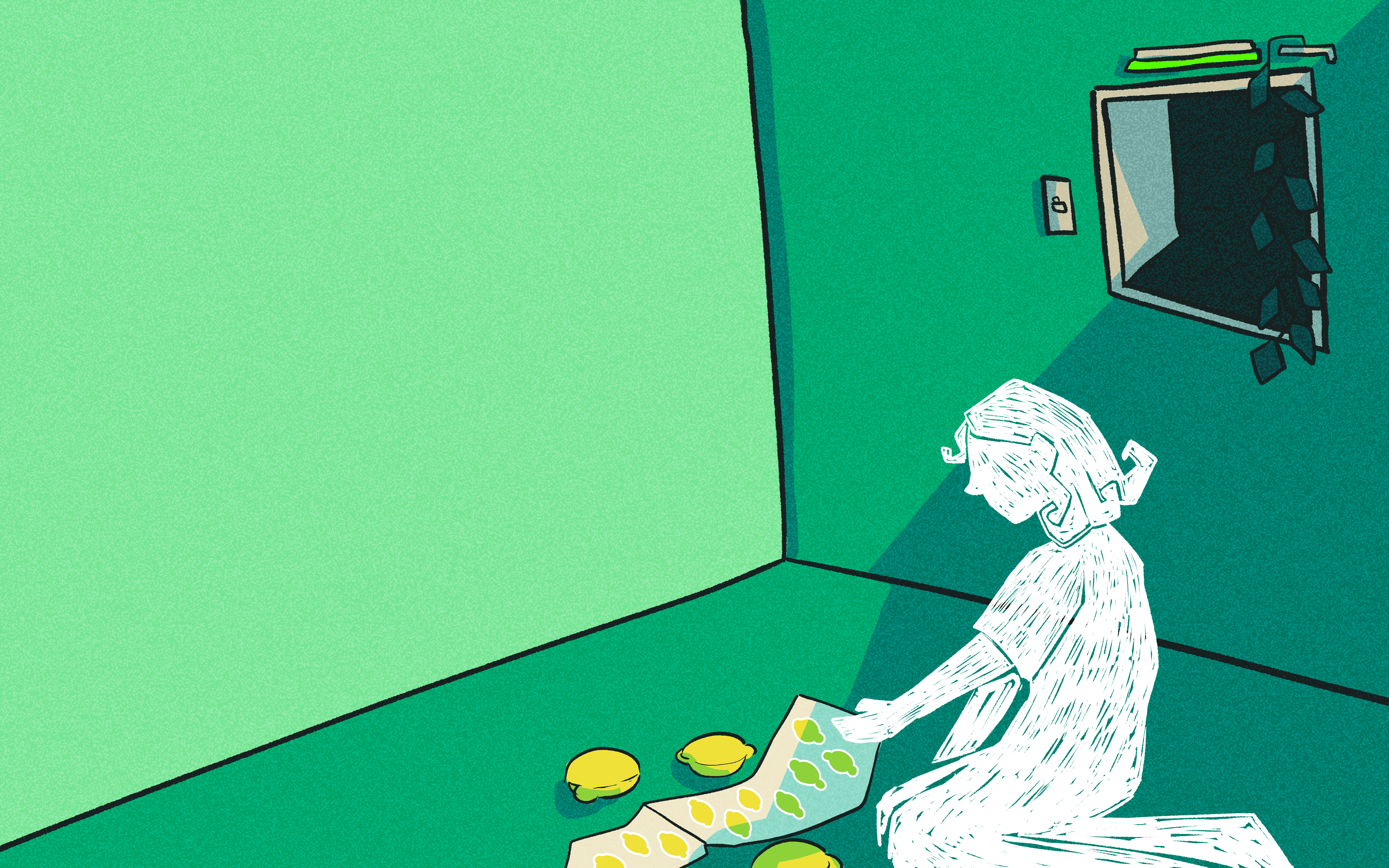
Borrowed identity
Adopting an identity to gain approval or a sense of belonging
Algorithm and identity exploration through manufactured content
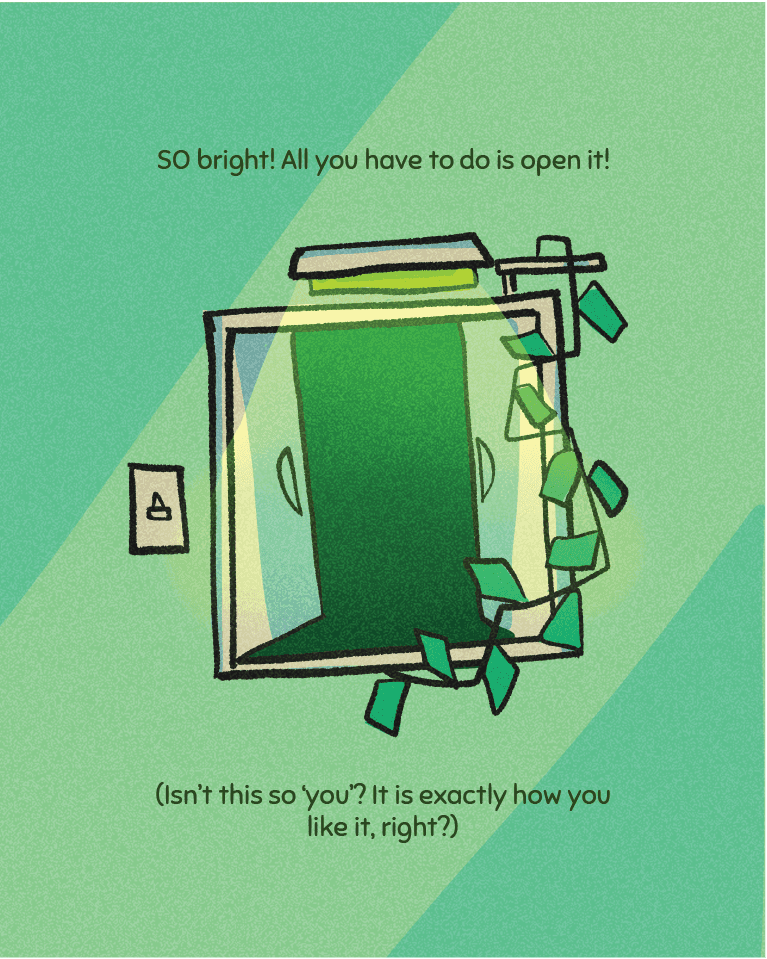
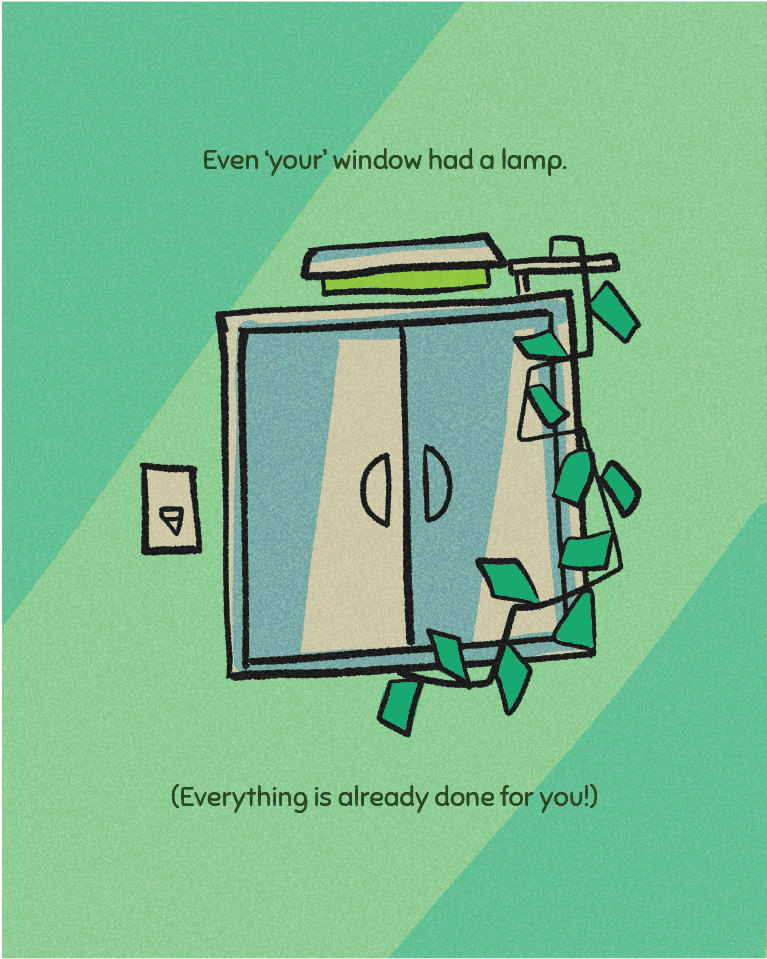

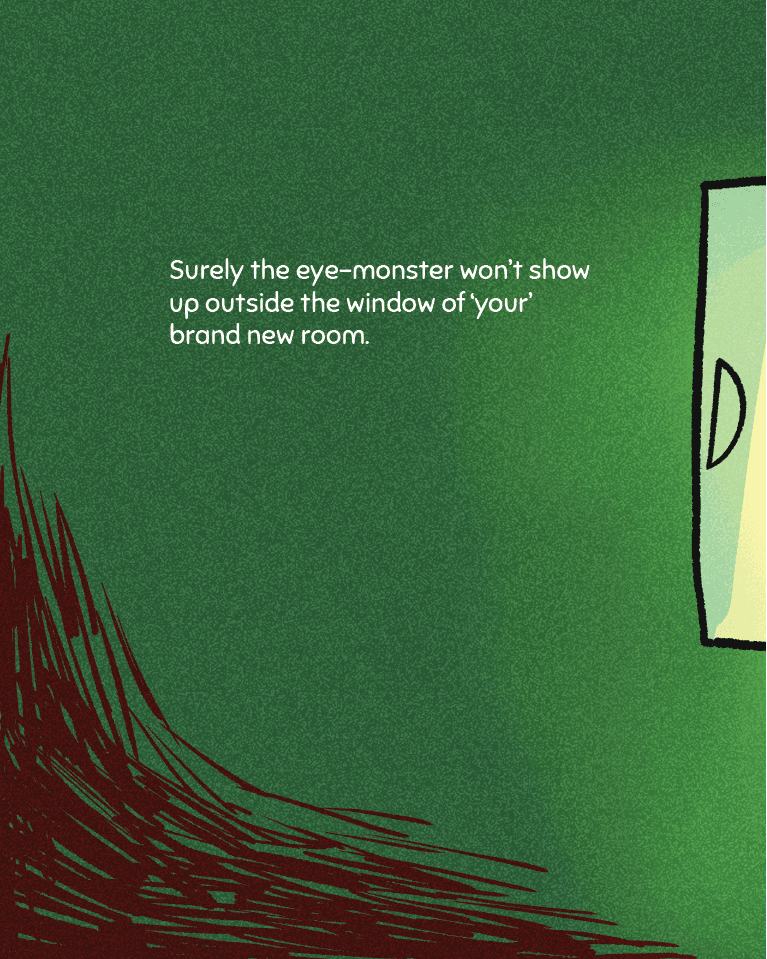
Book 4
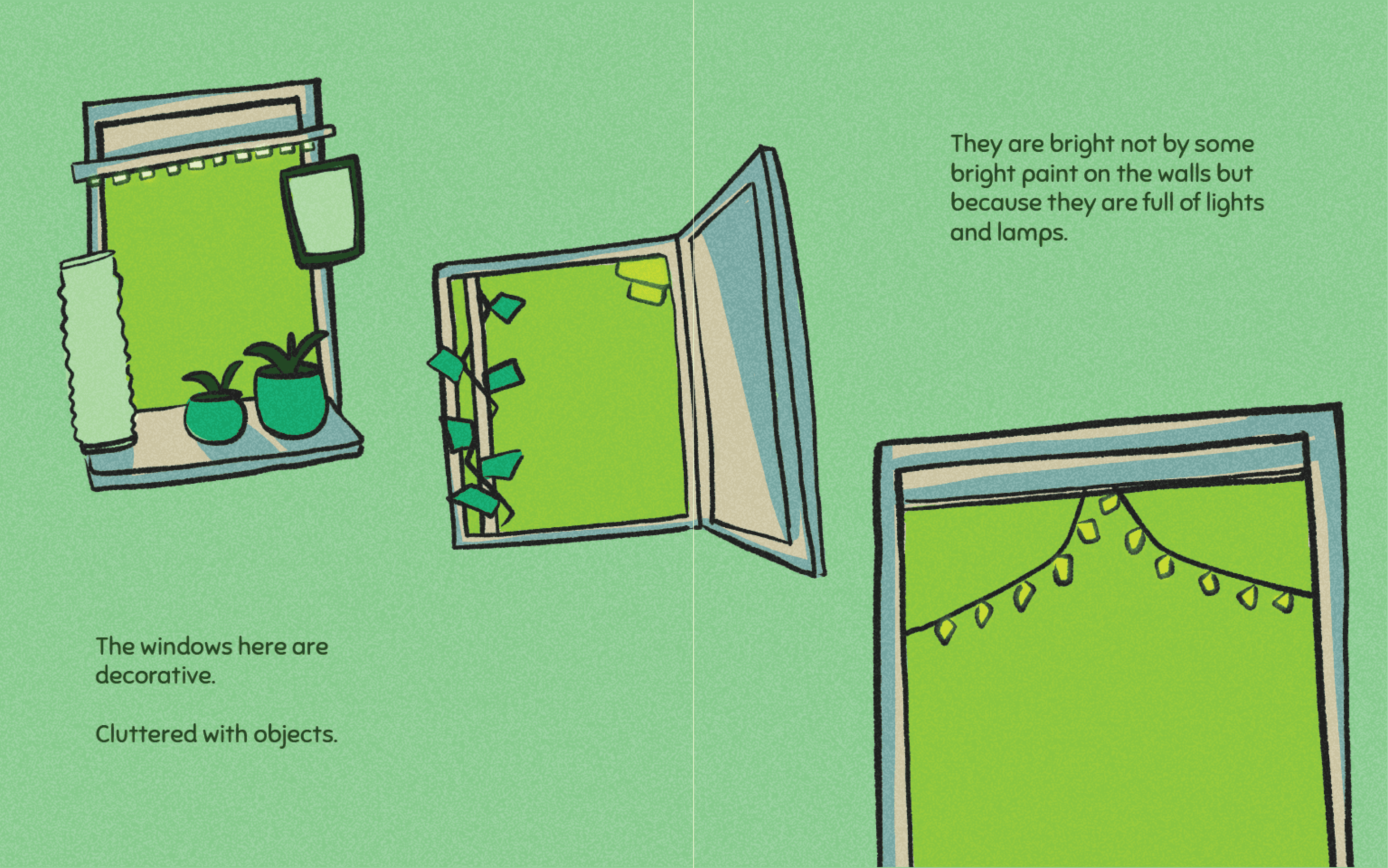
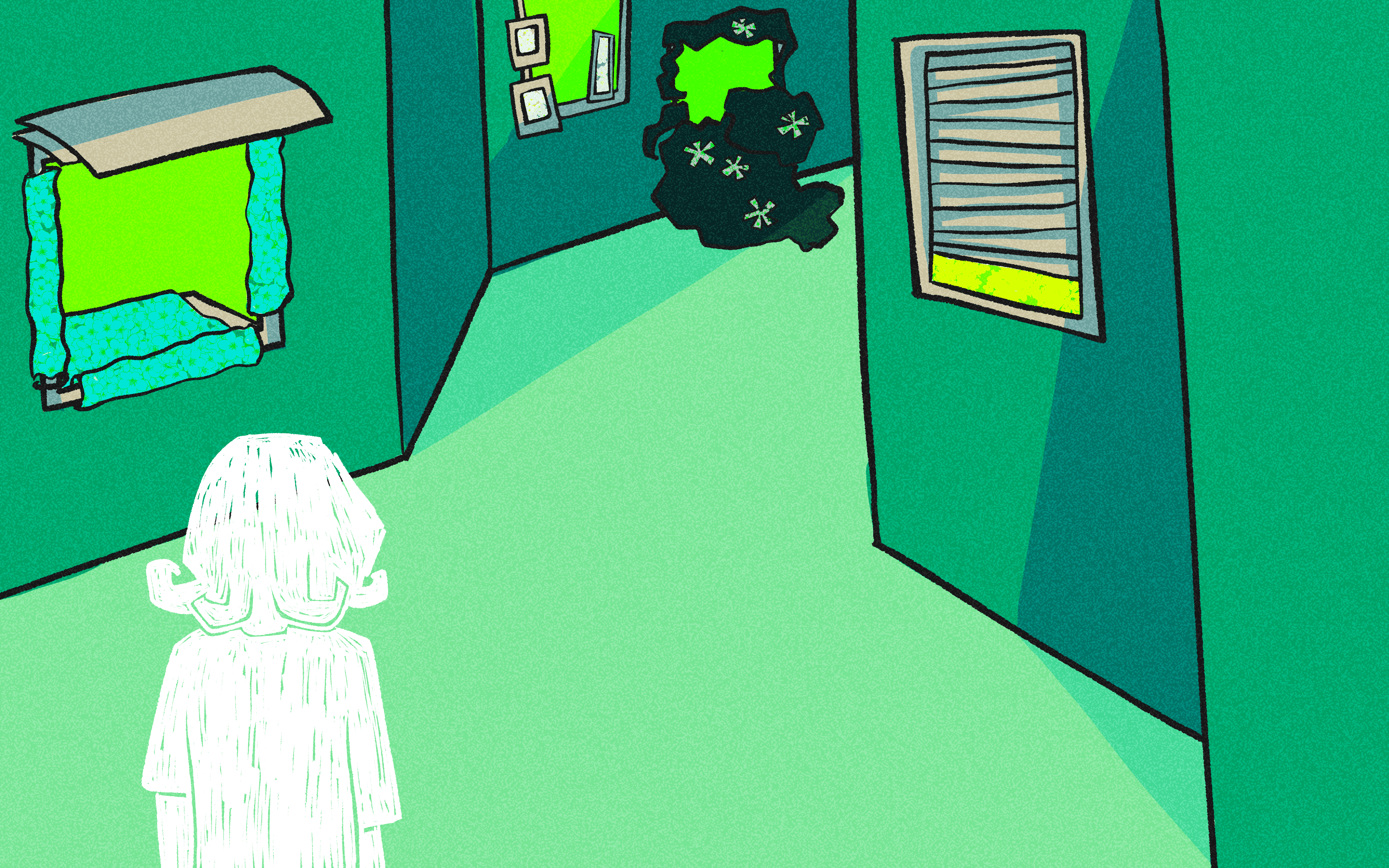
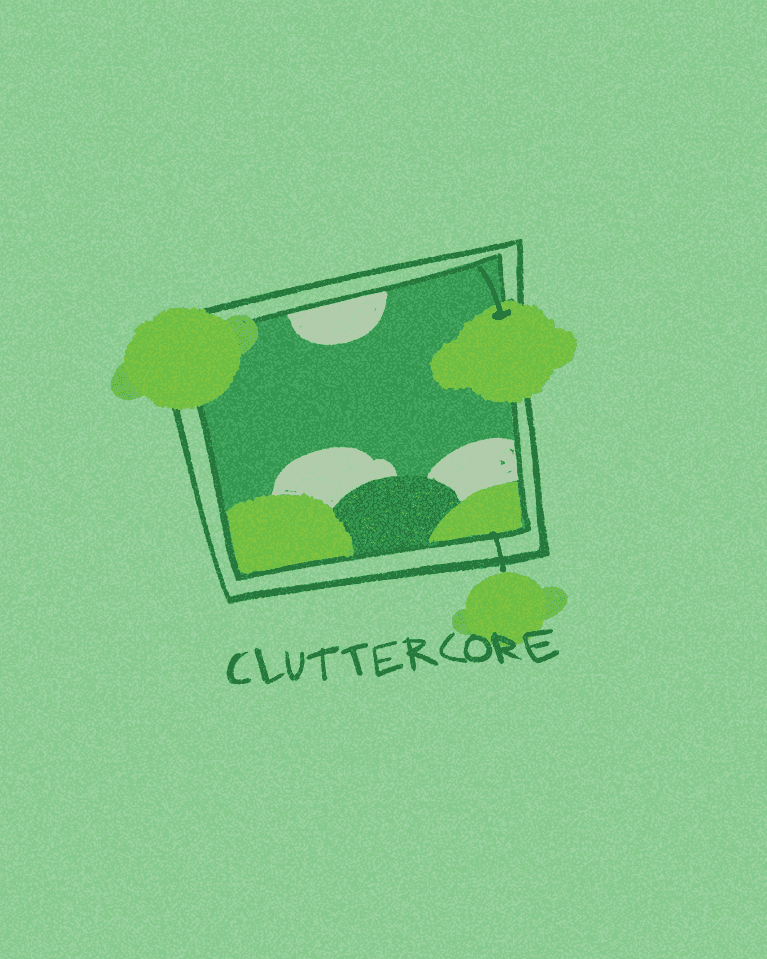
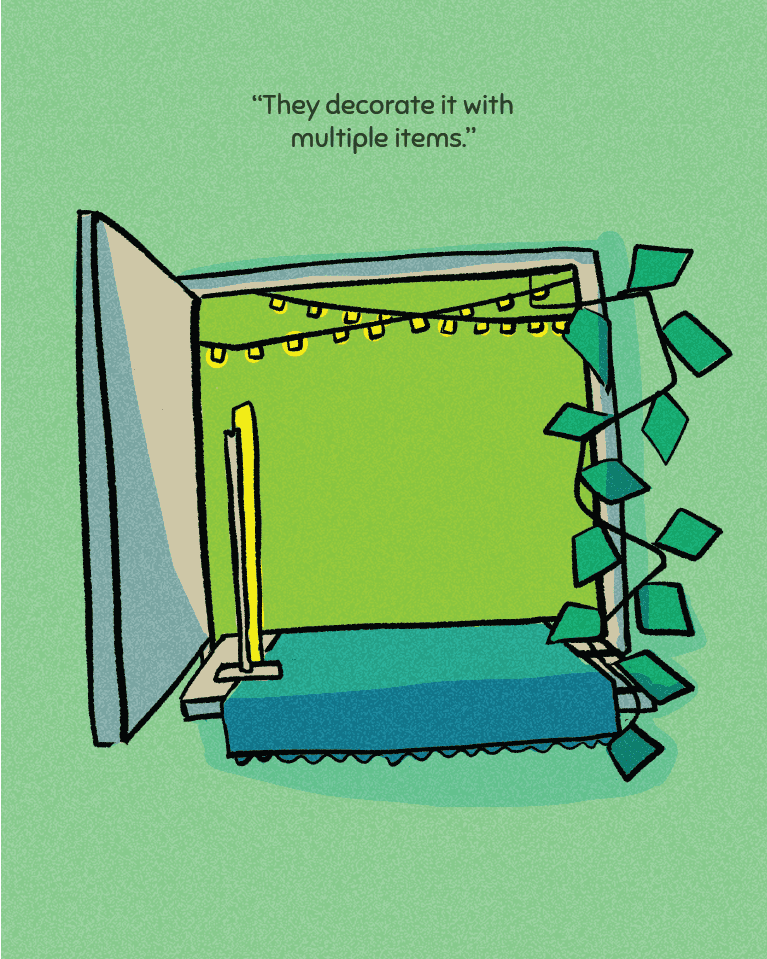
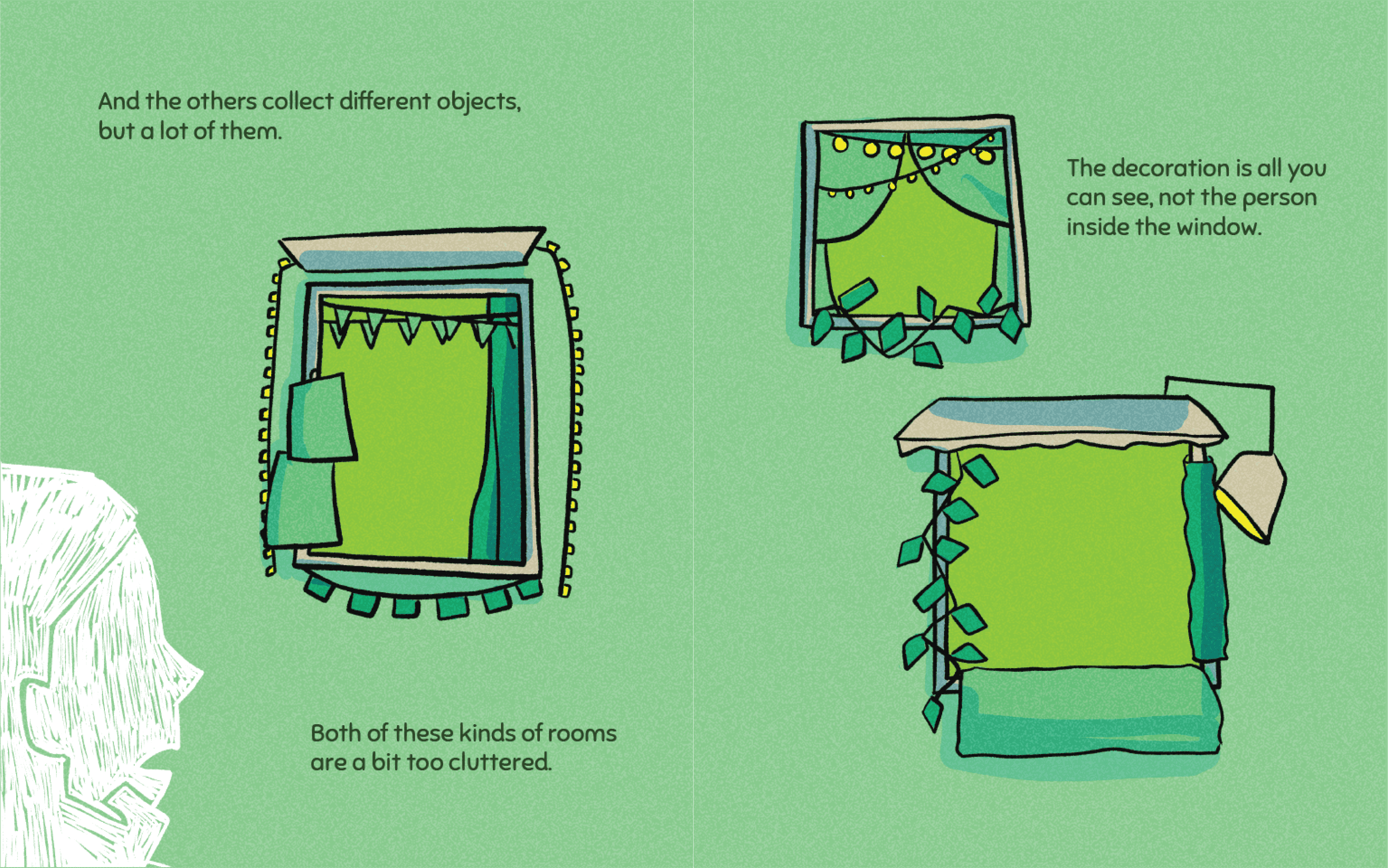
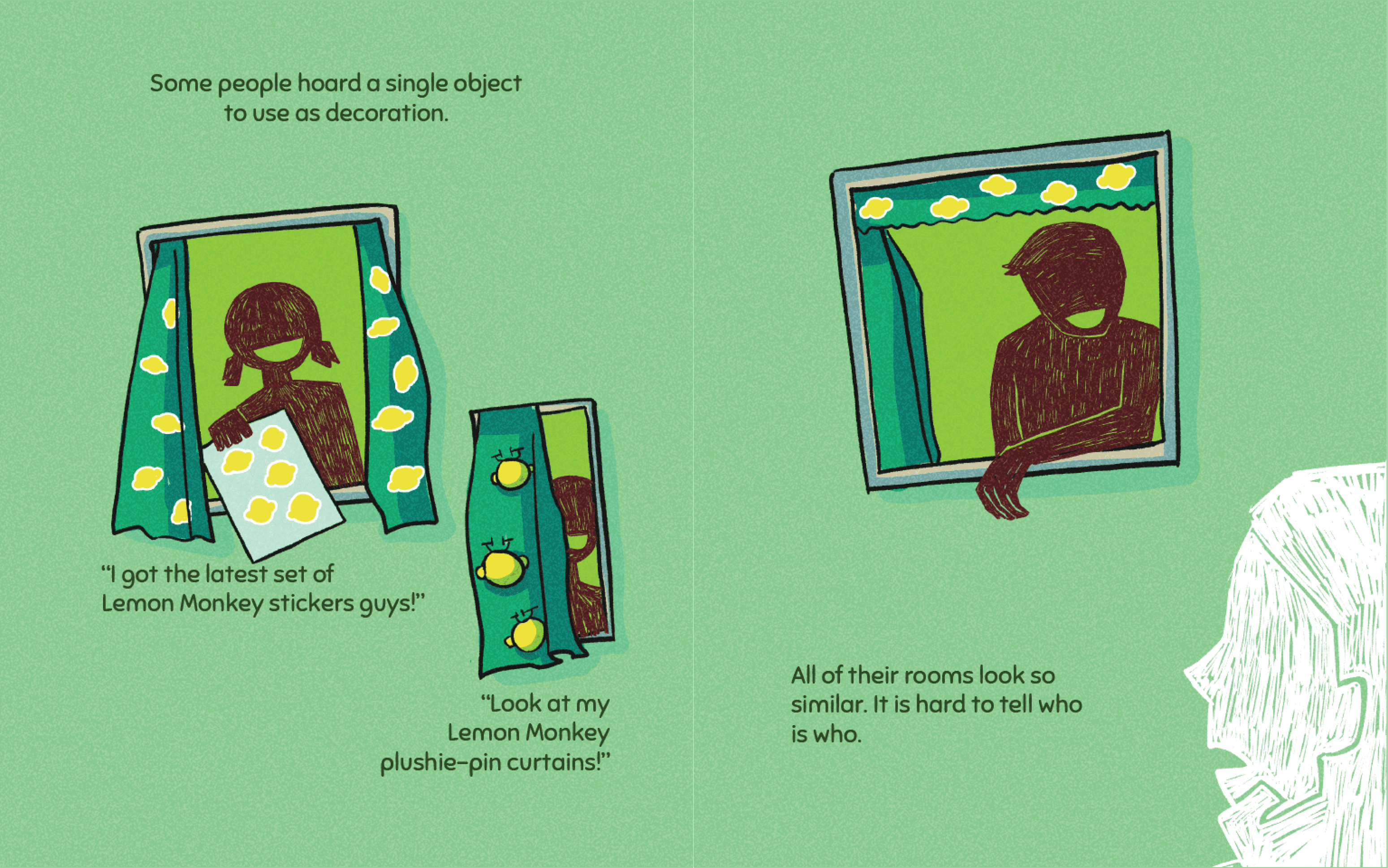
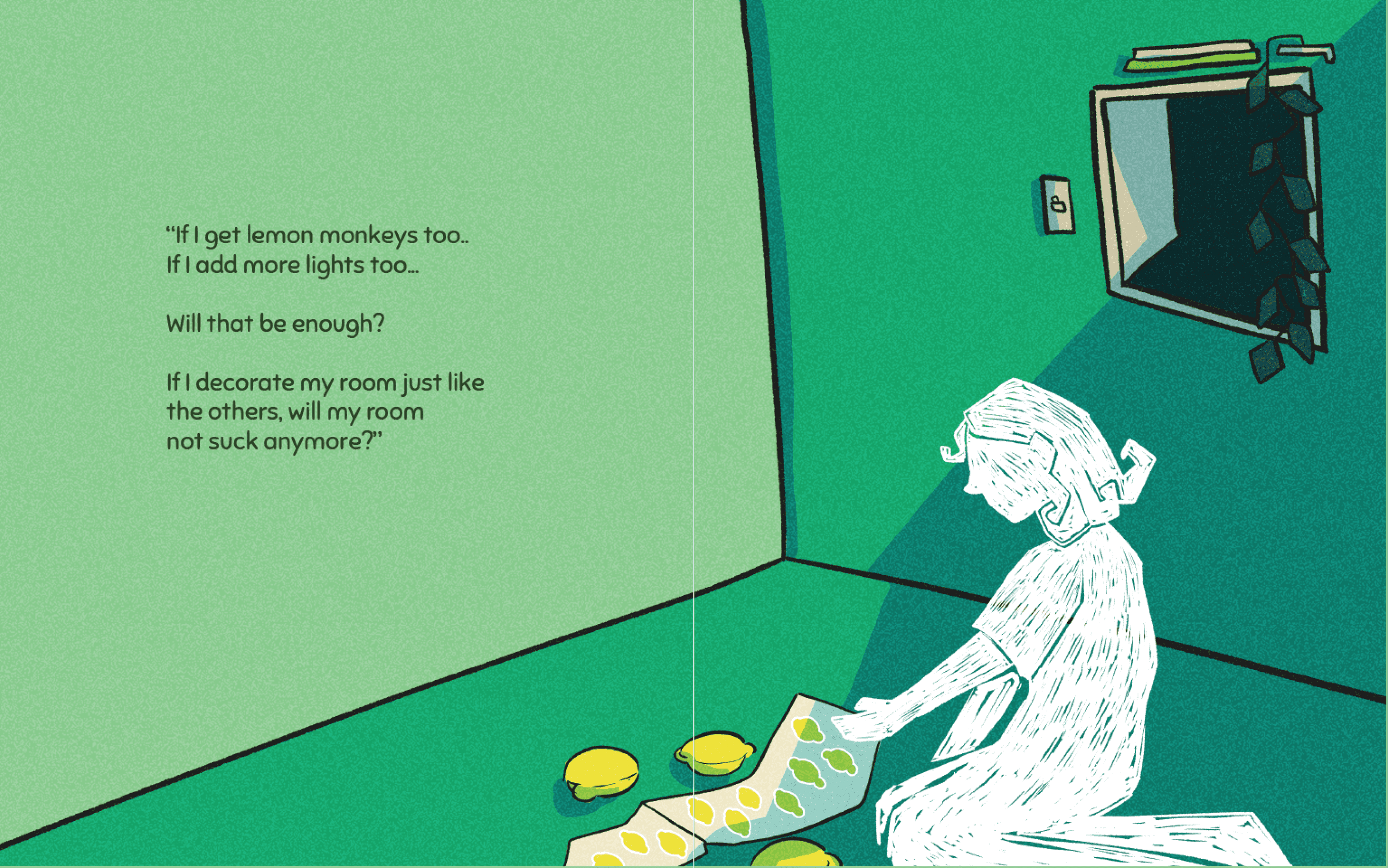
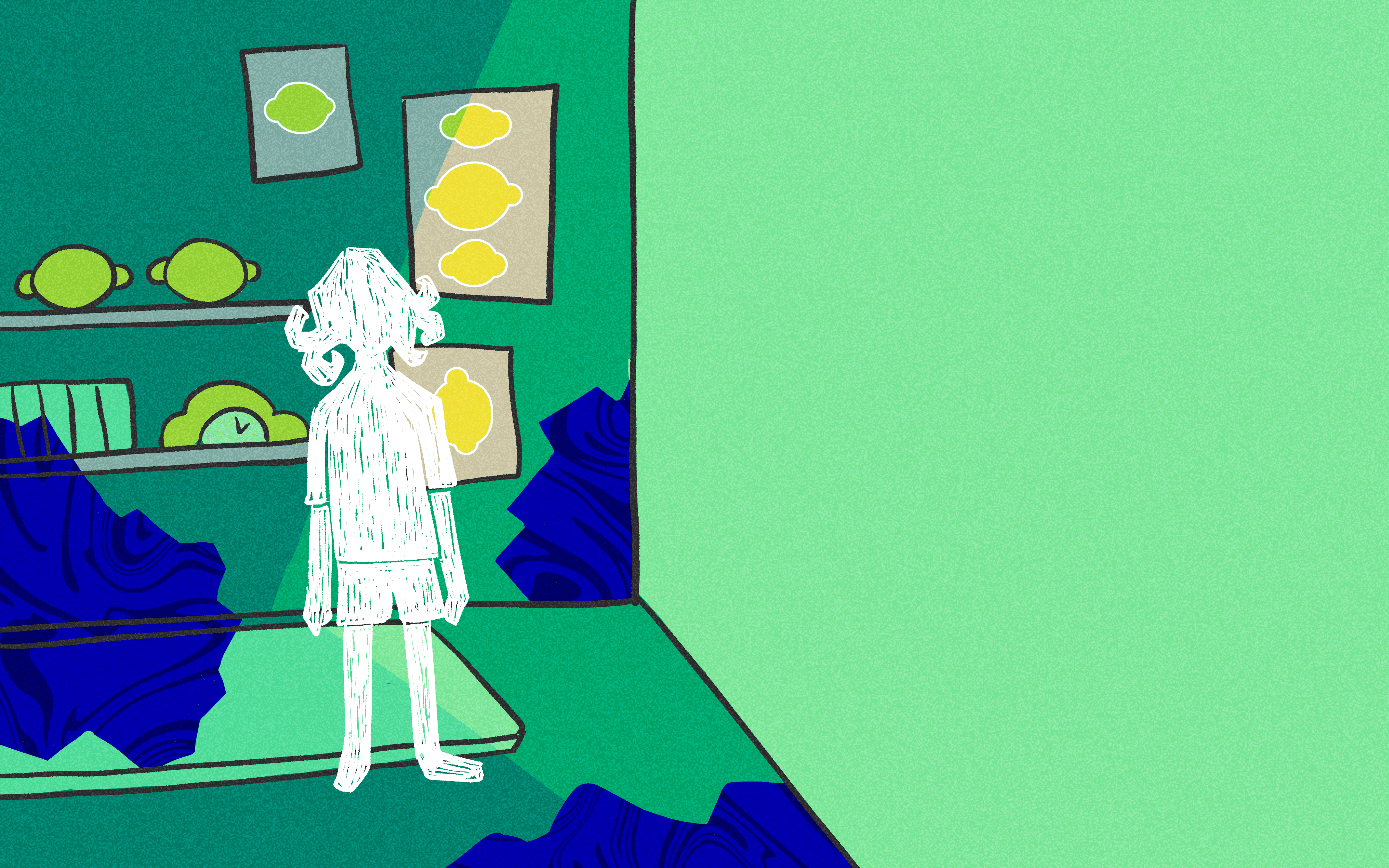
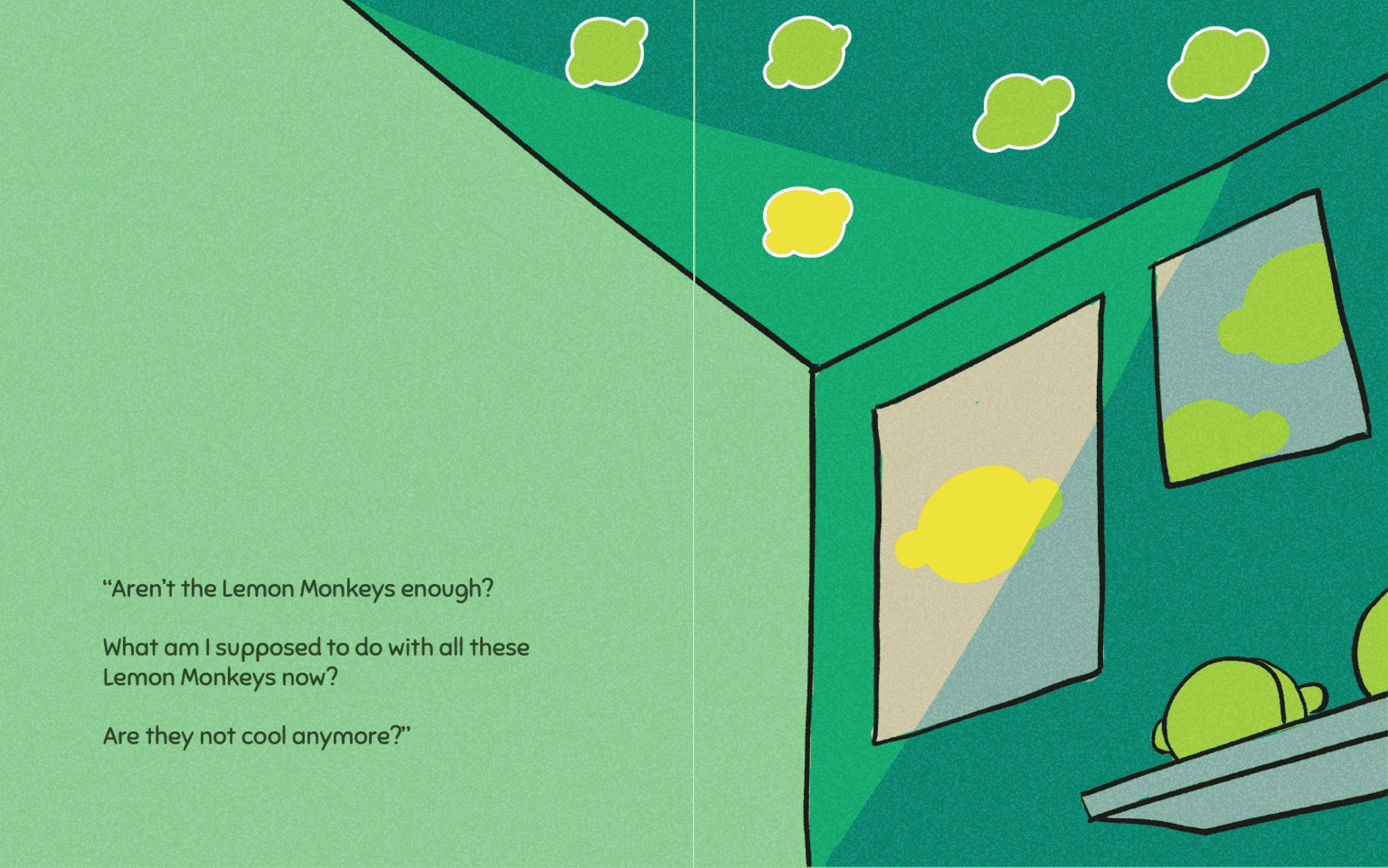
Cluttercore
Conspicuous Consumption
Buying things in order to rise in ‘status’ in the eyes of others
Performative personality
Only showing a part and not the full picture, curated identity
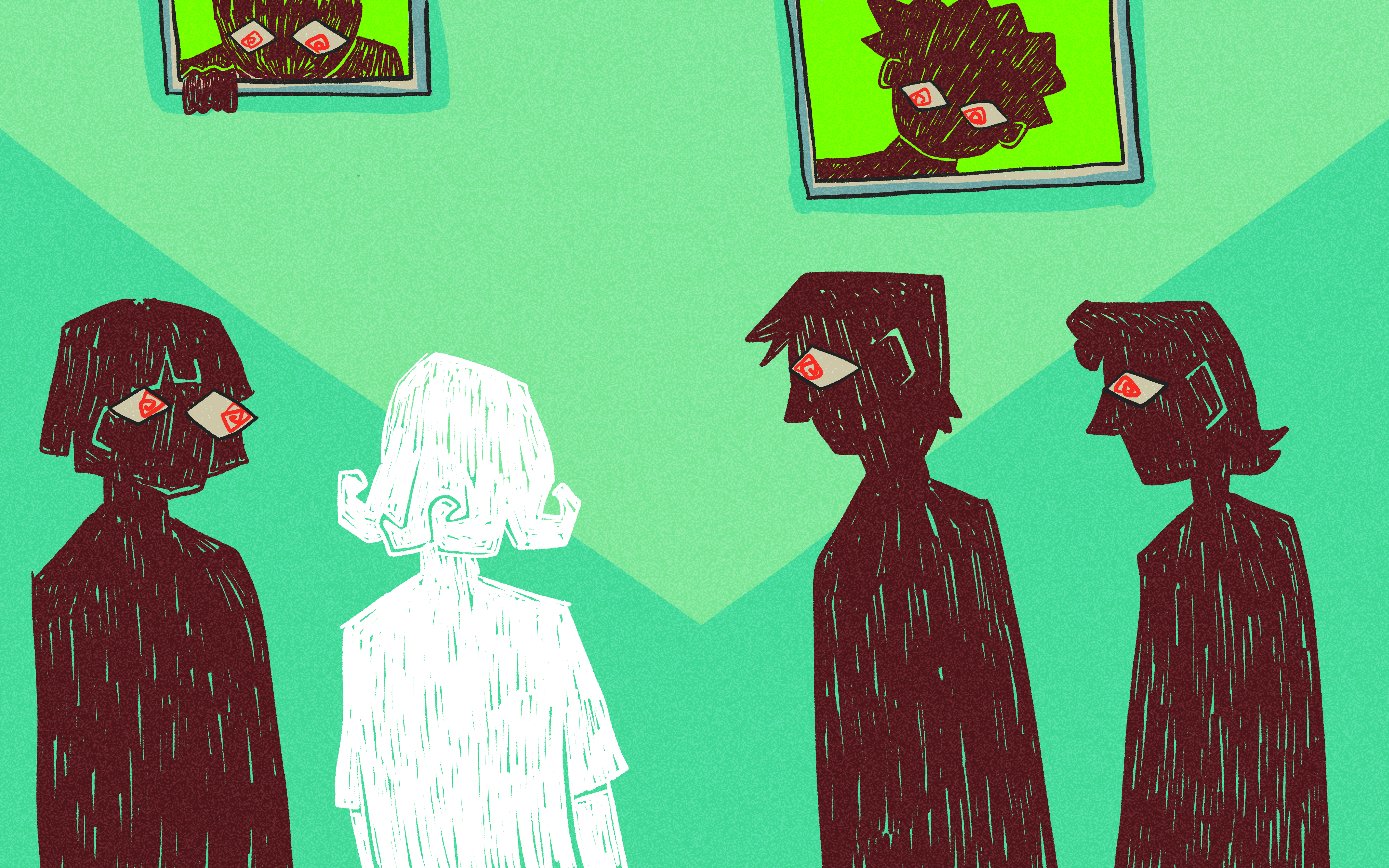
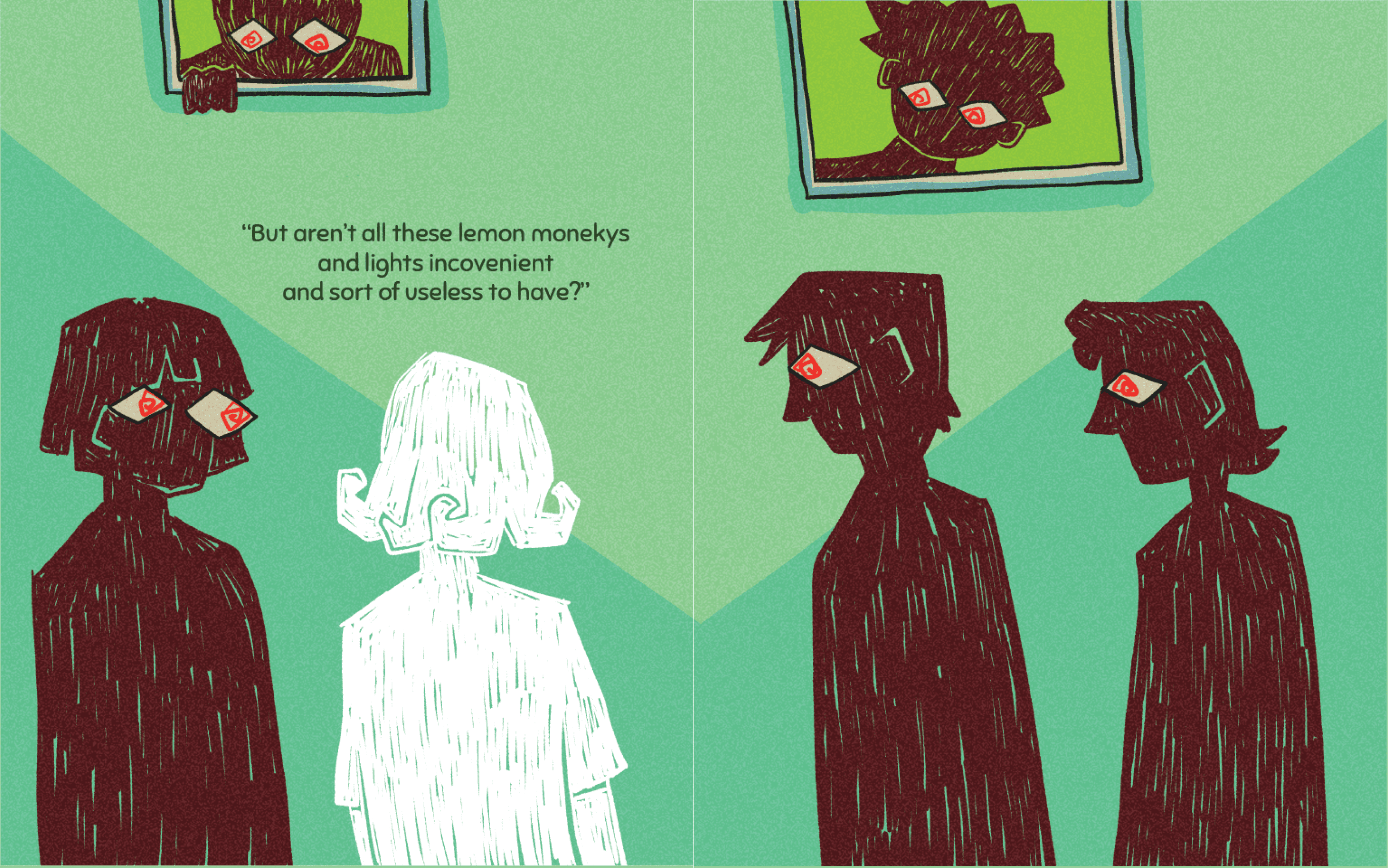
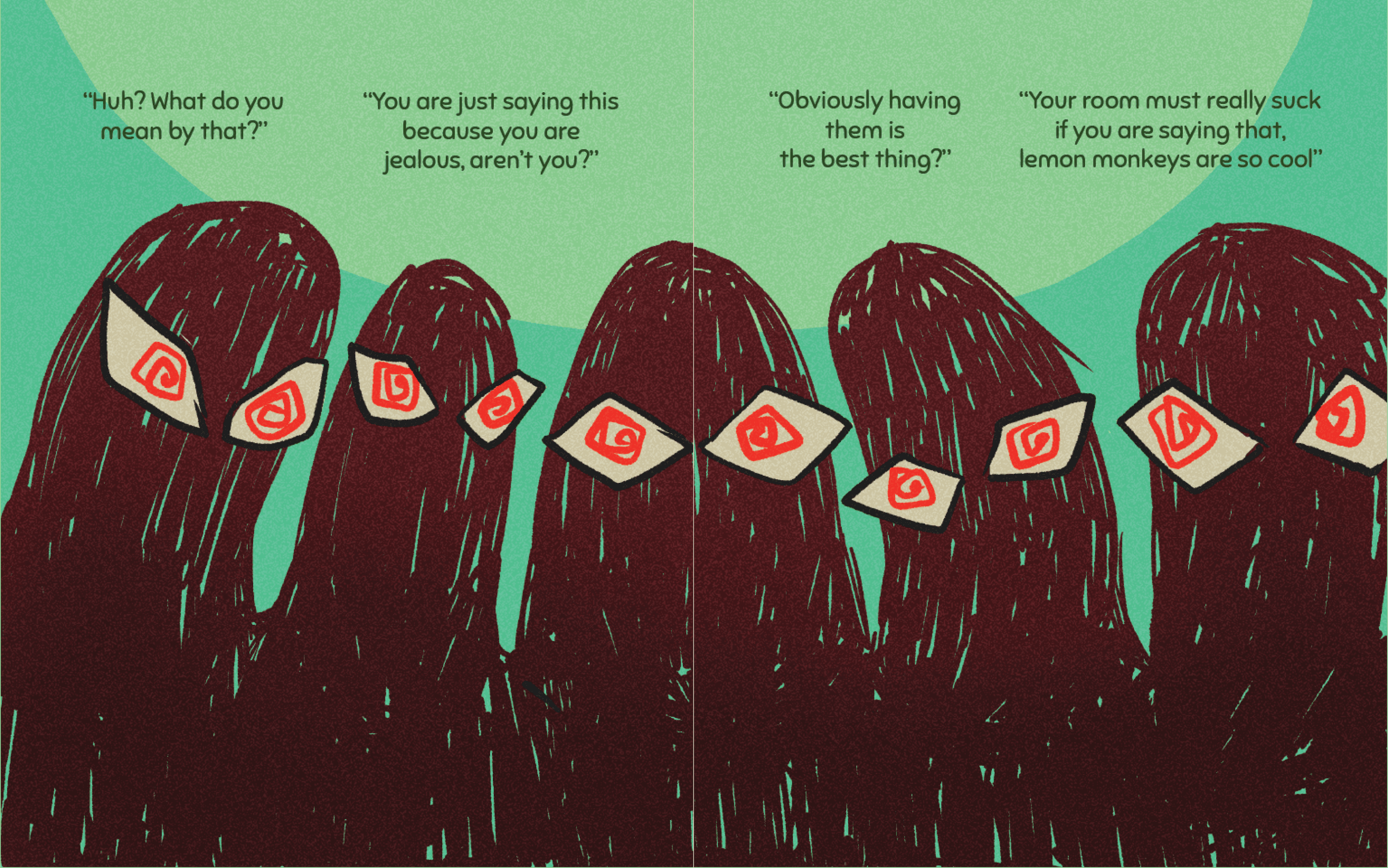
Internalized Conformity
Going along with a group, even if one questioned it at first
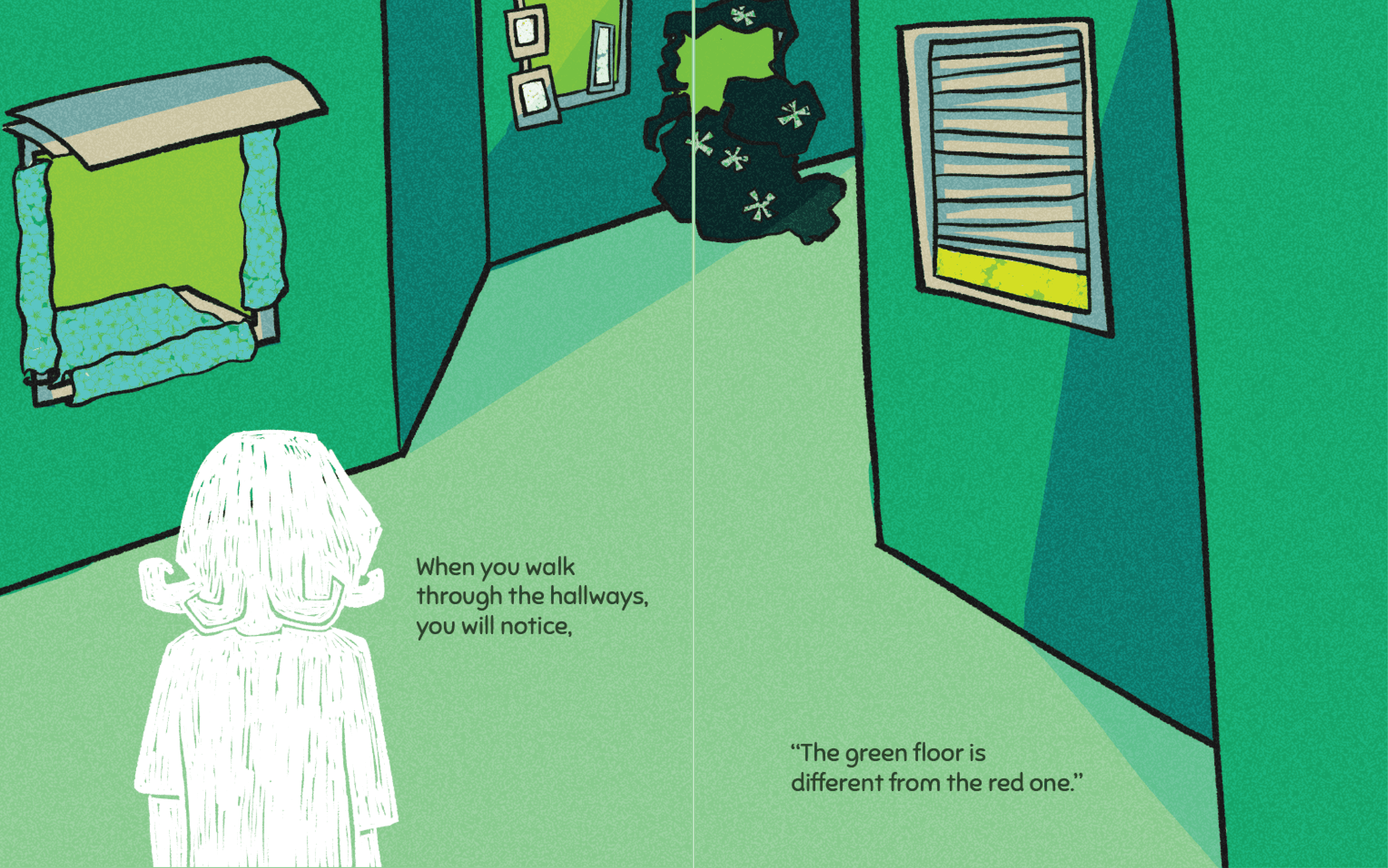
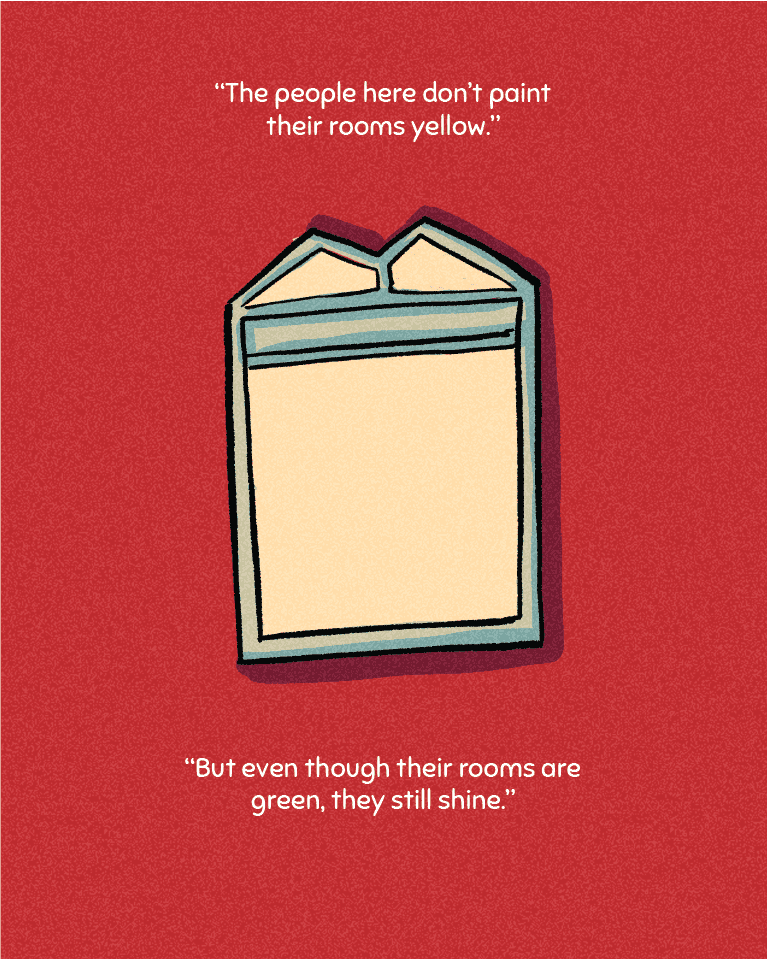
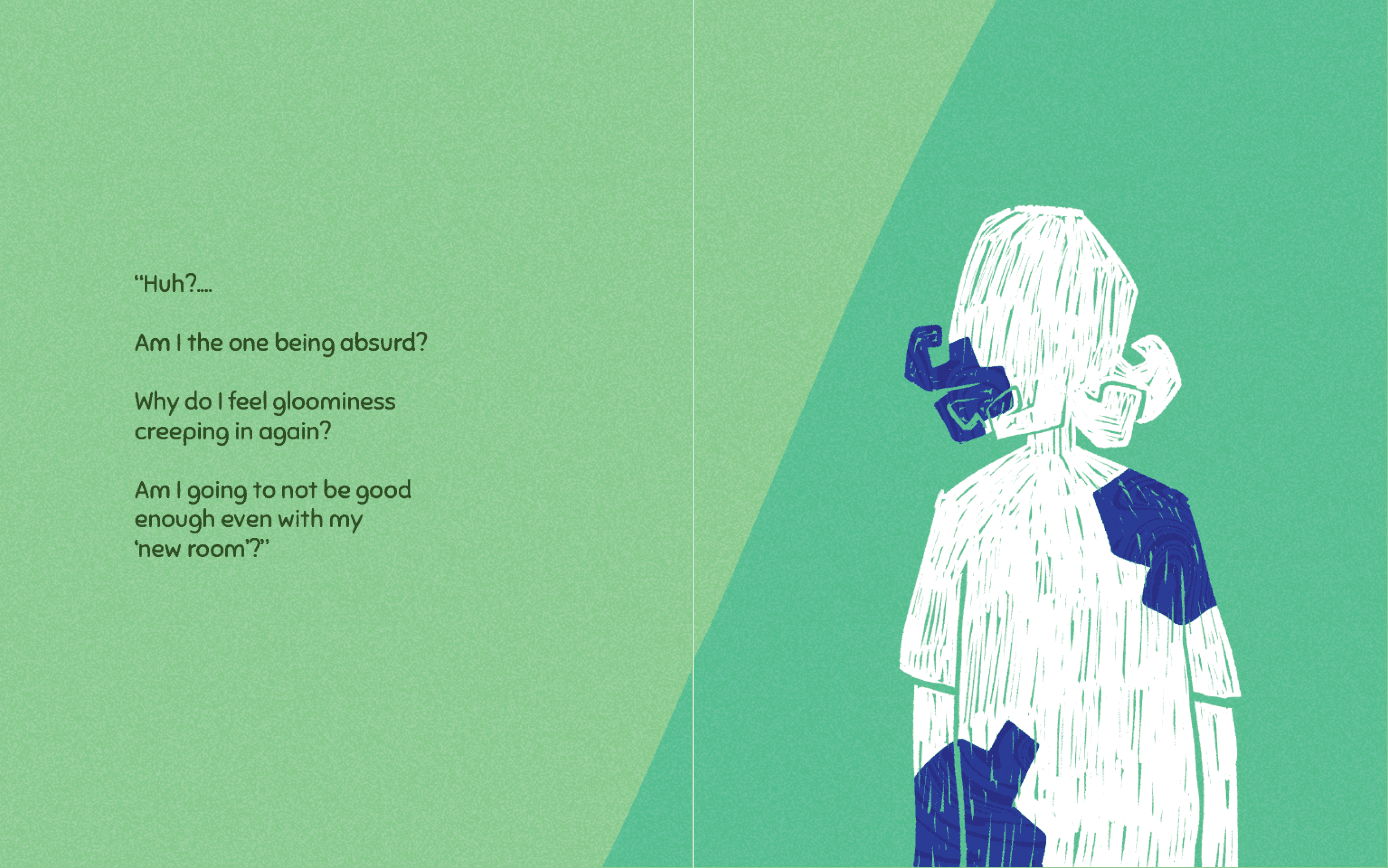
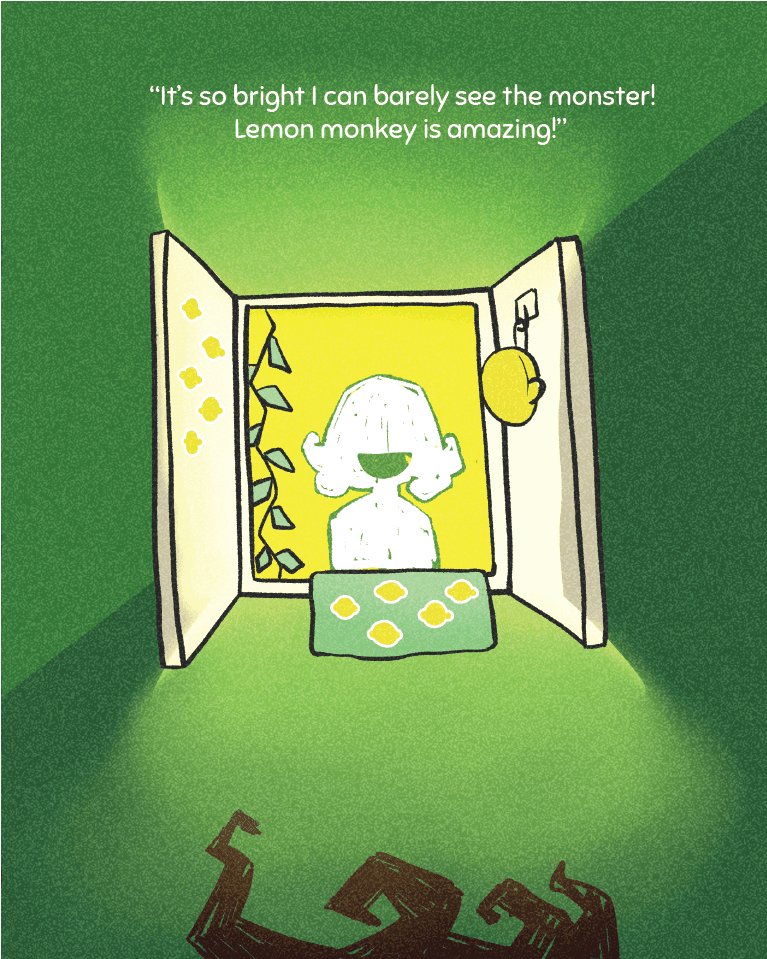
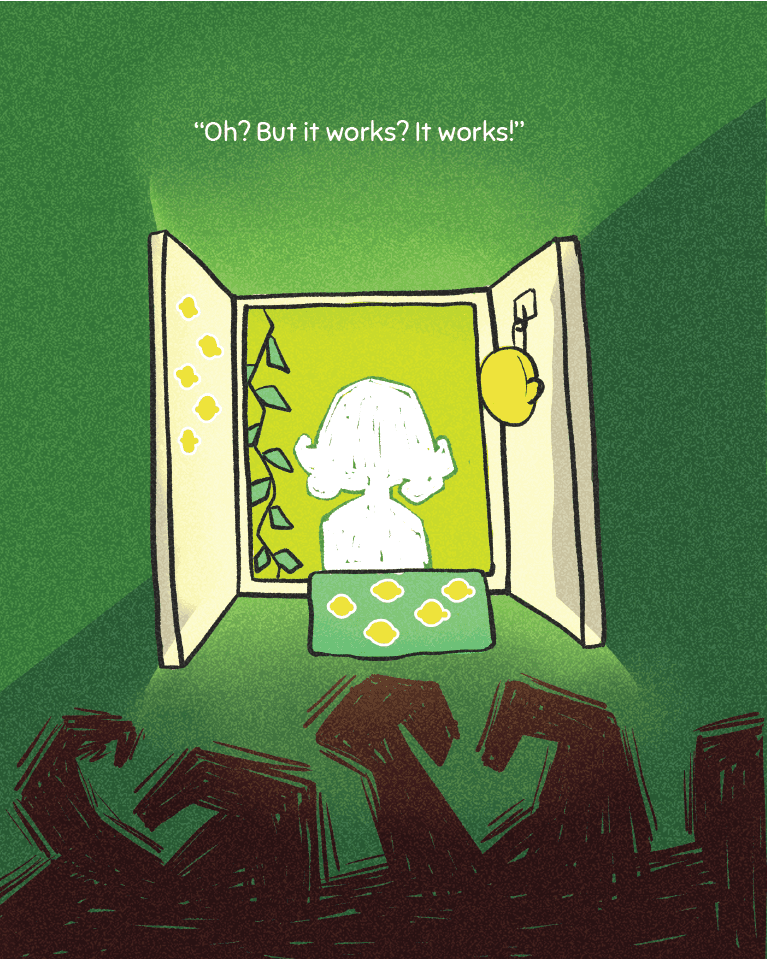
The Green Floor: Consumerism, Commodified Identity and Social Order

Book 5
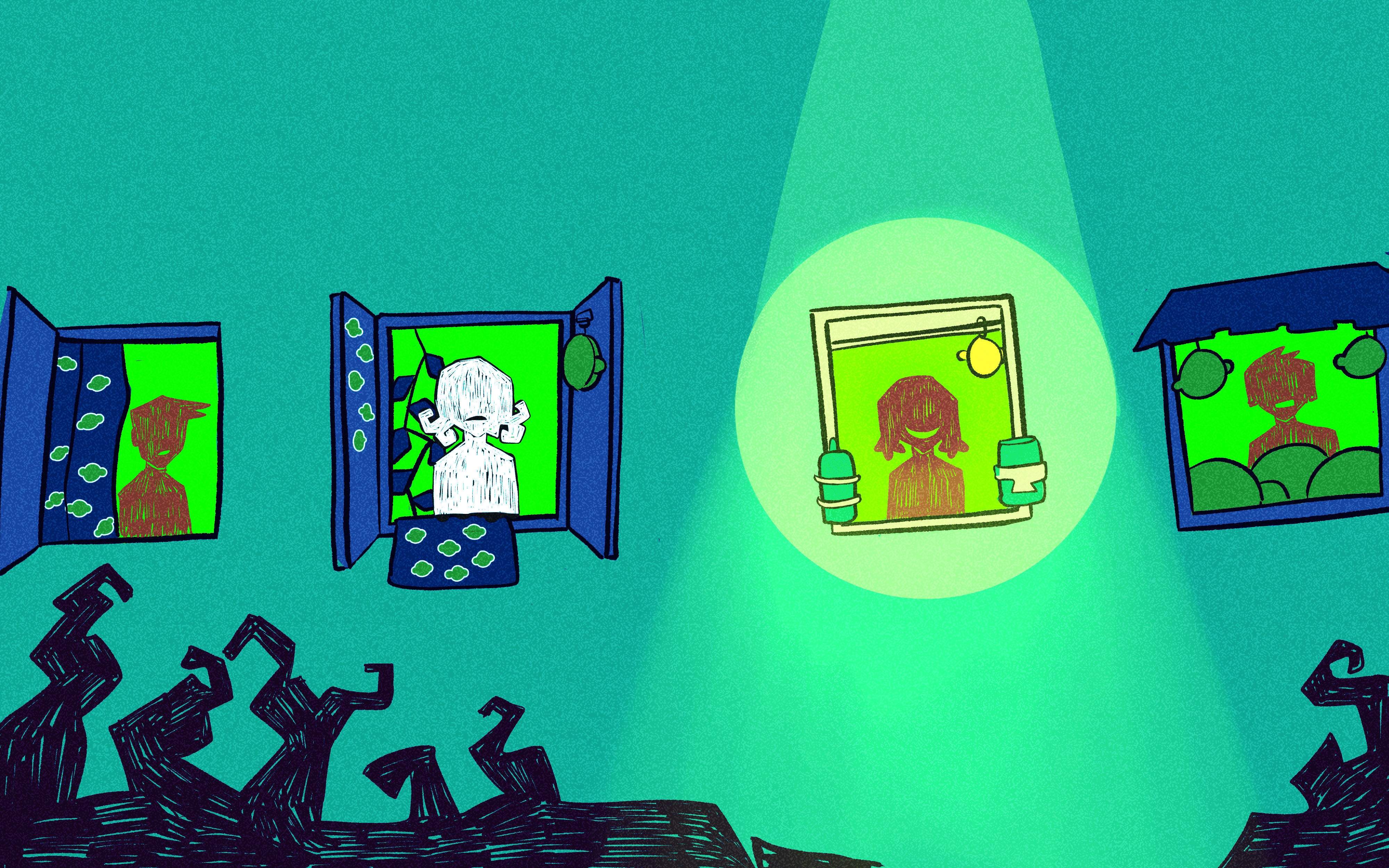
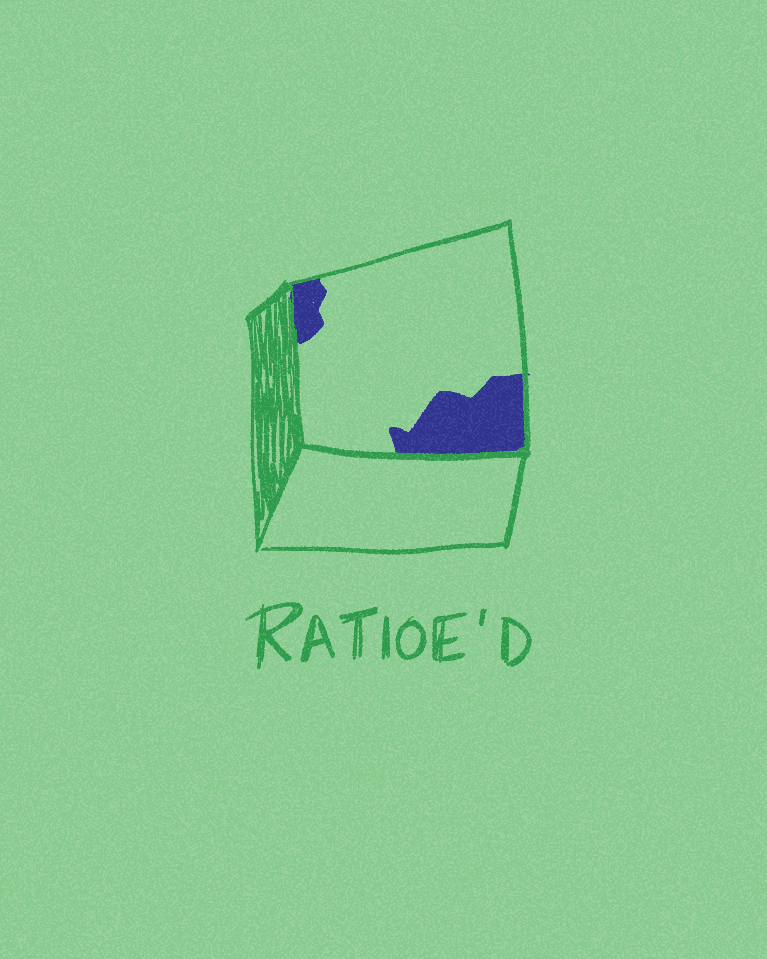
Ratioe’d
Comparative Anxiety
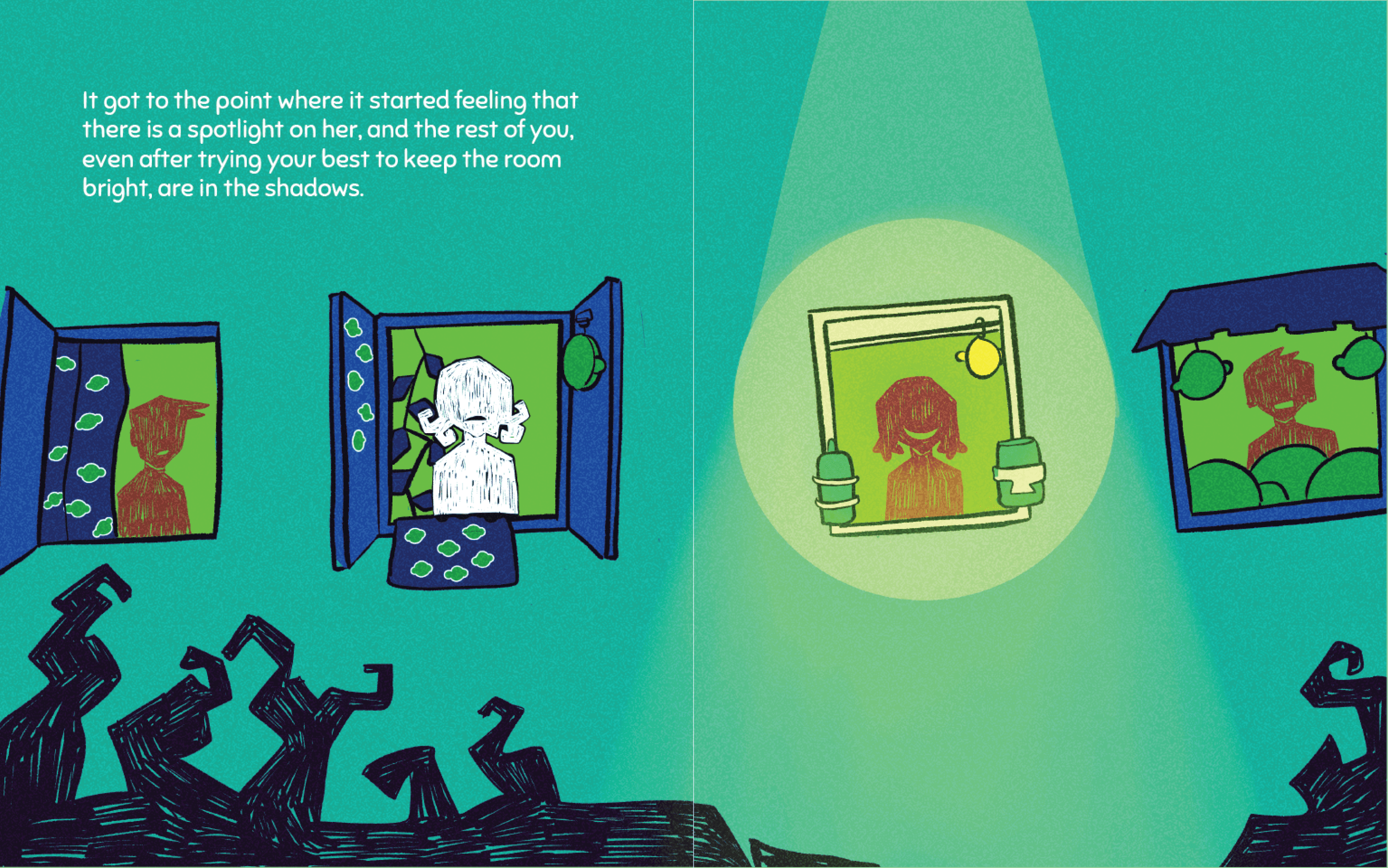
Getting anxious when someone is doing better than you, stealing your spotlight
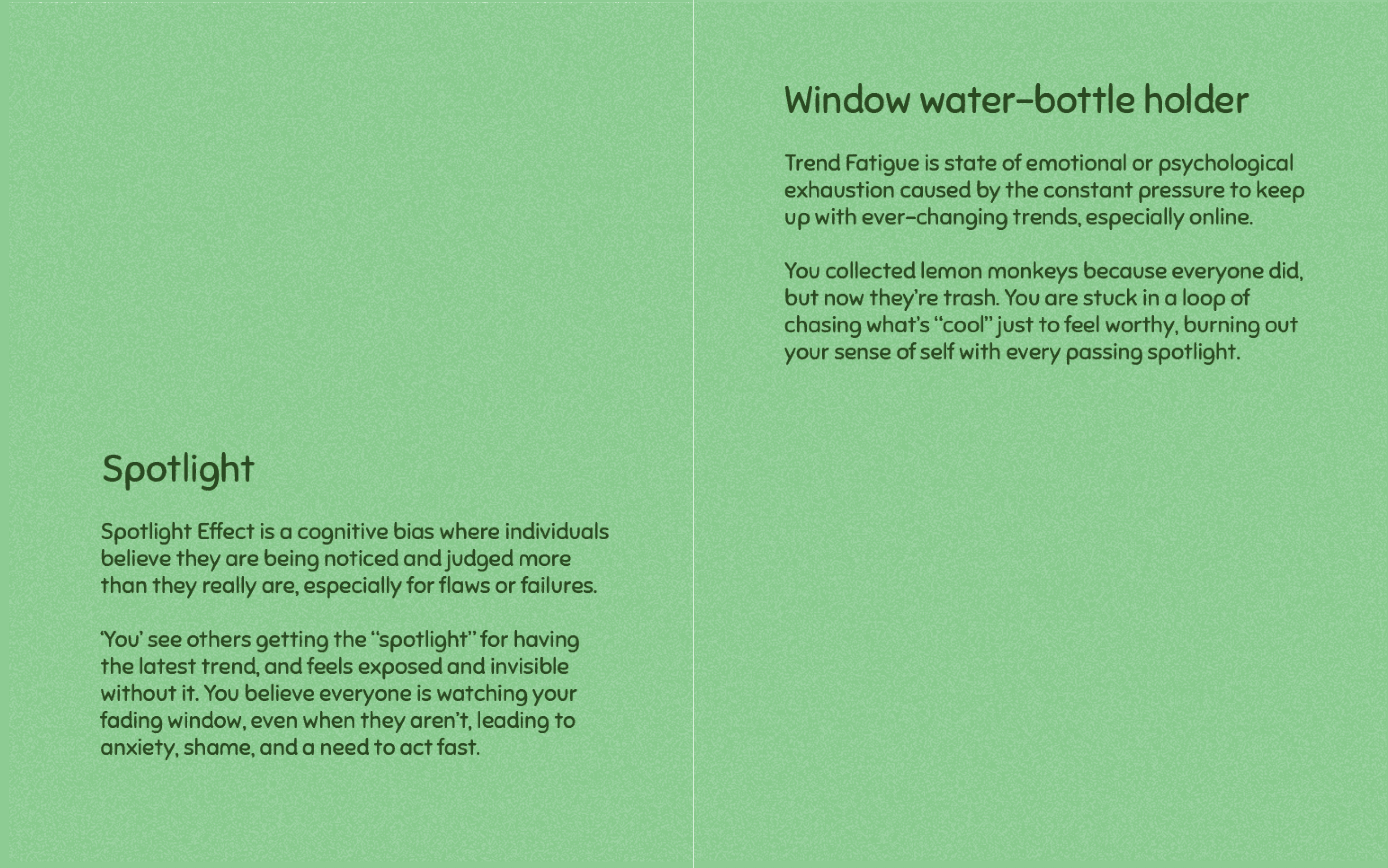
The Spotlight Effect
Feeling like all your failures are being noticed and judged
Identity Drain
Emotional and psychological exhaustion caused by the pressure to keep up
Spotlight Anxiety and Trend Fatigue
Development and
Scalability
Social Media is a
place you shouldn’t live in.
The concept grows as number of floors and with growing aspects and elements of a living space and the interaction with the people in it.
The concept grows as number of floors and with growing aspects and elements of a living space and the interaction with the people in it.
The concept is in development, or develops as it goes.
New floors can emerge for new emerging problems, old floor can even get demolished. The place in itself is a trap and maybe there is a possibility of even getting out of this maze.